Monthly Archives: March 2013

meet debut PB star kris remenar

Standard

Kris Remenar with illustrator Matt Faulkner

Kris Remenar with illustrator Matt Faulkner

KristenwithkidsFrog on a Dime is all about encouraging writers. Today I’m delighted to introduce my very first guest . . . the incomparable Kris Remenar, debut author, children’s librarian and one of my personal cheerleaders.

Welcome to Frog on a Dime, Kris.

Thanks for inviting me over, Vicky!

So, when did you know you wanted to become a writer?

I knew I wanted to be a writer when I was eight. I won my first writing contest in second grade. I wrote about stranger danger (even as a child, I went for the controversial topics.) I gave my stories as gifts when I was in middle school and took independent creative writing classes in high school. Then, I entered a writing contest my senior year of high school and didn’t even earn an honorable mention. I thought I’d “outgrown” my talent. So, I stopped writing for years until I became an elementary teacher. As a teacher, I modeled writing for my students and I felt like a long-lost friend had returned. I joined SCBWI in 2000 and I’ve been working on my writing ever since.

What is it about writing for children, specifically, that appeals to you?

I like the freedom of it. Groundhogs can talk, hippos can fly. And almost always, there’s some sort of happy ending. Kids’ books are hopeful.

I tend to write (and think in) picture books. I’ve begun writing my first YA novel, and it’s a little overwhelming to grapple with hundreds of pages instead of 32, but I’m digging watching the characters unfold at deeper levels.

You’re had an exciting development in your writing career recently, can you tell us about the day you got “the call” from Charlesbridge—and don’t skimp on the details!

February 2, Groundhog’s Day, is my birthday. I was at the library at my job as a children’s librarian. My editor, Yolanda Scott, and I had been through two rounds of revisions on a manuscript, but I hadn’t heard back from her in over a month and I figured she was trying to find a way to gently break bad news. The smallest, bravest part of me dared to wonder if I’d get “the call” about my manuscript that day because the story is about Groundhog’s Day and I liked the synchronicity of it all. The superstitious part of me didn’t want to jinx it by thinking about it, and the hugely self-doubtful part of me said “prepare yourself for another rejection.”

Yolanda was away from her office speaking at a conference, it was a Saturday, I had no right to hope she’d call that day. But she did call, around 4 p.m., and I grabbed my phone to run to the back offices. When Yolanda told me that Charlesbridge wanted to acquire my book, this amazing, breathless, telescopic feeling came over me. The eight-year-old me, the twelve-year-old me, the twenty-nine-year-old me, all the me’s who had waited for this day felt elated and justified in putting forth the effort over all the years. And it felt like “of course the call came at this time from this supportive, generous editor.” I couldn’t have plotted it better if I’d tried.

That’s amazing, Kris! Congratulations! I was actually listening to Yolanda present at the SCBWI conference the day you got the call. I enjoyed hearing Yolanda, have I to admit I was distracted because I kept thinking—stop presenting, Yolanda, and call Kris already!

I predict your story is going to give encouragement to a lot of writers, especially since you were able to land your first contract without an agent. What advise would you give to someone who has been pursuing publication for a long time, with close calls, but no contracts?

Keep going! It took me 12 years from the time I sent out my first manuscript to the time I finally sold a book. If I had called it quits after 5 years, or after 10, I never would’ve received “the call.”

I have to ask . . . how did you keep going for 12 years?

Have you heard that quote “writing makes me crazy, not writing makes me crazier?” I kept writing because characters talked in my head, or I’d have a flash of a scene in a dream that I just had to put on paper. Being a member of SCBWI and having the camaraderie of those who get that, and who never said that writing for children is “sweet,” made the years of rejection bearable.

Thank you so much for sharing your story, Kris. You are a true encourager!

Be sure to watch for the debut of Kris’ picture book in fall of 2015–illustrated by wonderful illustrator Matt Faulkner (who is also Kris’ husband!). You can count on Frog on a Dime to celebrate that exciting event.

And to wrap things up, Kris’ favorite quote . . . If there’s a book you want to read, but it hasn’t been written yet, then you must write it. – Toni Morrison

Bonus Information! Kris blogs about picture books and ways to use them in the classroom to teach the Common Core State Standards. You can check out her recommendations.
three cheers for cheerleaders

Standard

Frog fabricHere comes a shocker: I was never a cheerleader in high school (or college for that matter). I know. I know. Truly mind-boggling, isn’t it?

Truth is, I never really cared about being a cheerleader, at least not when I was younger. But now, here I am at age 50, wanting to be a cheerleader. Now, I don’t mean the teensy skirt wearing, pony tail swirling, pom pom shaking variety. I want to be an encourager. That’s really why I started “Frog on a Dime” in the first place, to be an encouragement to writers like me who could use a boost now and then (and by “now and then,” I mean most of the time!)

If anyone on this planet can appreciate the power of an encouraging word, it’s writers, wouldn’t you think?

Who in your circle of writing friends could use a word of encouragement from you? Go ahead. Make a list of your top three. I’ll wait.

1.

2.

3.

Okay, that’s a great start!

What could you say to them this week that would empower them as they pursue publication? What words would help to unstop their writers block or bolster their confidence to start fresh? You have a lot of power as a writer. Channel it. Use it to make someone’s way brighter. You know what supportive words have done for you. Pass it on.

Let me encourage you to send that text or email or handwritten note today. It’s never too late to be a cheerleader.

Our chief want is someone who will inspire us to be what we know we could be.― Ralph Waldo Emerson

focusing on the write thing

Standard

My "cheerleader," Cynthia Leitich Smith

My “cheerleader,” Cynthia Leitich Smith

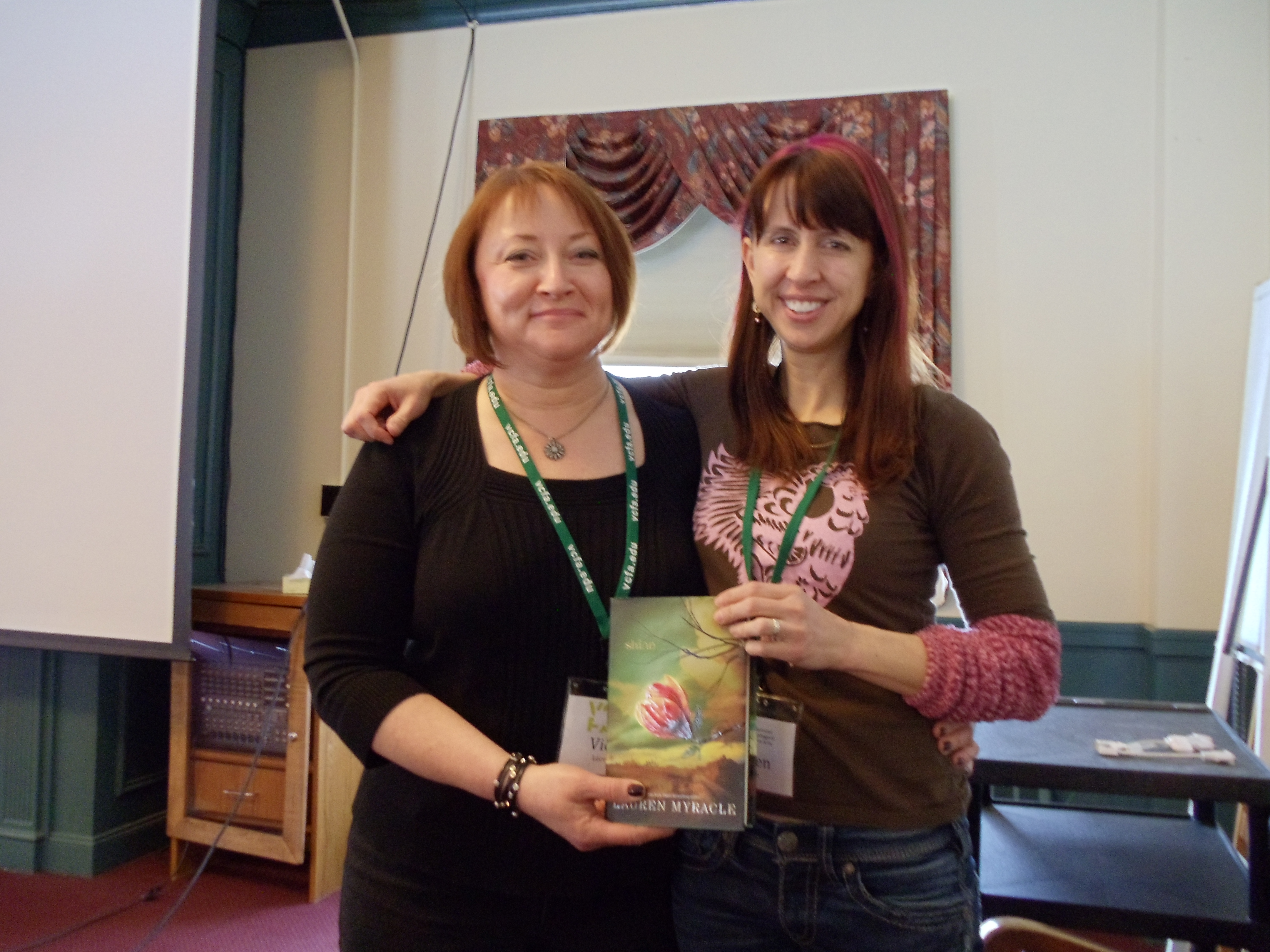
My "cheerleader," Lauren Myracle

My encouraging retreat critique group--Ann Finkelstein, Anna Boll, me and Lori Steel

My encouraging retreat critique group–Ann Finkelstein, Anna Boll, me and Lori Steel

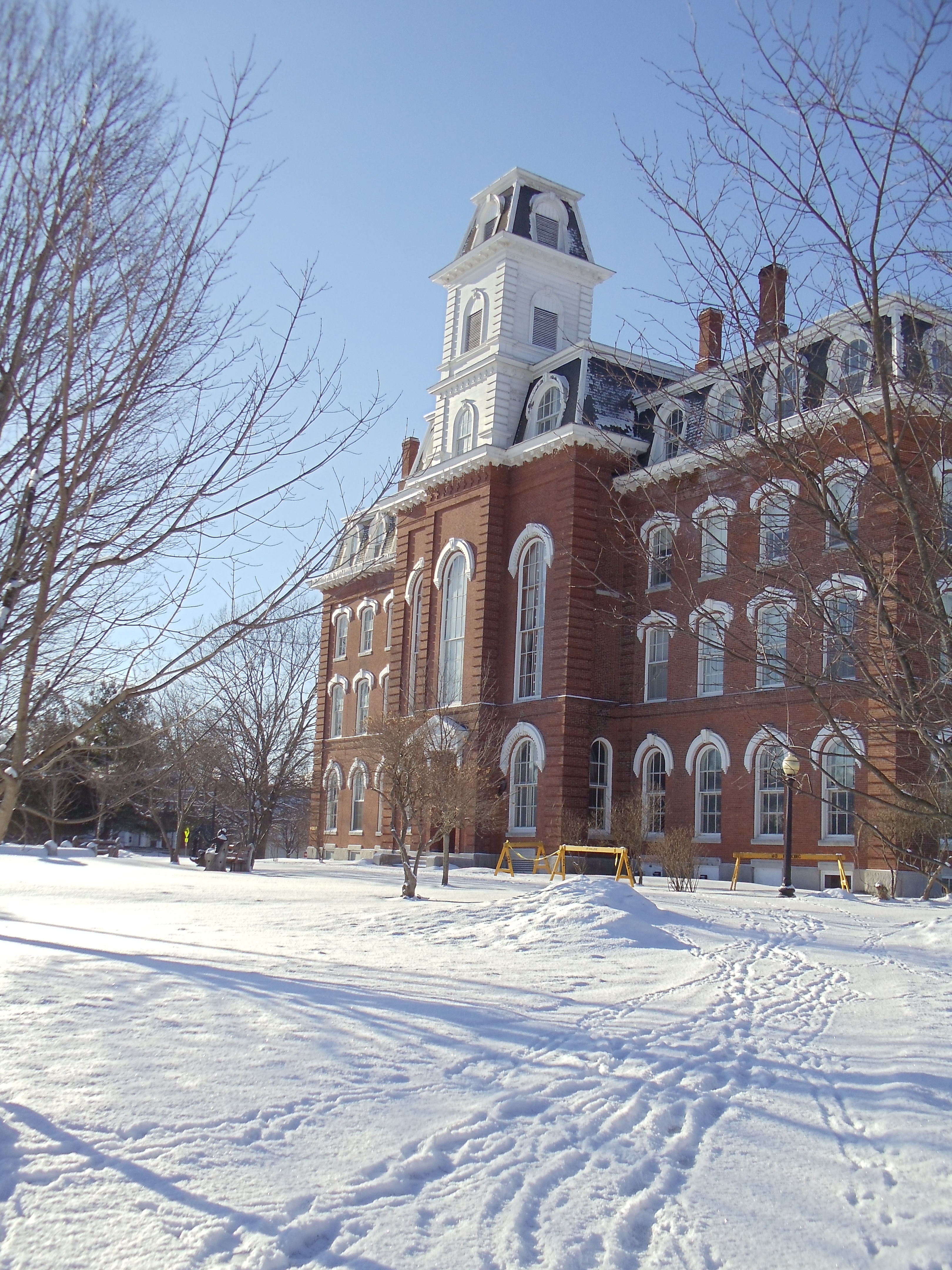
Vermont College of Fine Arts

Vermont College of Fine Arts

Someone once told me that the way detectives learn to spot a counterfeit is to study the original. The more familiar they are with, say a real $100 bill, the easier it is to see the differences in a fake. In other words, they focus on the good, not the bad.

This weekend I participated in a retreat for writers of novels for children and young adults at Vermont College of Fine Arts in Montpelier. Now, I’ve been to lots of writing conferences and workshops over the last decade, but what set this experience apart was the emphasis on the positive. Retreat organizer Sarah Aronson told us at the outset that when we receive a critique we should not discount the good comments we receive.

Too often that’s just what I’ve done. I think to myself, This person is only saying kind things to let me down gently before the hammer falls. But Sarah encouraged us to really listen to the observations about what we’re doing well. The good bits are, after all, the parts we want to create more of, right? By concentrating on recognizing my authentic writing voice, not the counterfeit, I’m better able to hear the difference between what’s true and what’s tinny. Sarah’s advise made all the difference for me. I soaked up the good comments, not to pump my ego, but to learn how to make progress.

It goes without saying, but here I go saying it, that this doesn’t mean I get to ignore the parts of my work that need, well, work. (Some of it is downright stinky. Get the clothes pins please!) And sure, it’s essential to listen to constructive criticism, to consider the suggestions of others and to welcome even hard-to-hear feedback. But allowing myself to accept words of specific affirmation has caused me to see my abilities in a whole new light. I’m better able to see what’s possible, instead of thinking, this is impossible.

As a result of embracing the positive, when our amazing presenters like authors Cynthia Leitich Smith or Lauren Myracle or Candlewick editor Andrea Tompa humbled me with kind words, I could thank them. Was I shocked? Okay, yes. But I was still able to thank them instead of waving the words away.

I came home from the retreat feeling rejuvenated. My faith in my abilities was bolstered a bit and I can honestly say I feel hopeful for the first time in a long time. I am energized, instead of deflated. WOW, does that feel good!

You may not be able to escape to a writers retreat in the mountains of Vermont (I’m still stunned that I was able to!), but let me encourage you to adopt the same shift in focus. You will be amazed at the difference it can make. I’m positive of that.

You’ve got to accentuate the positive, eliminate the negative, latch on to the affirmative, don’t mess with Mister In-Between. – Johnny Mercer

I was born in the year of magic

Standard

I was born in the year of magic. Not many people can say that, but I can. 

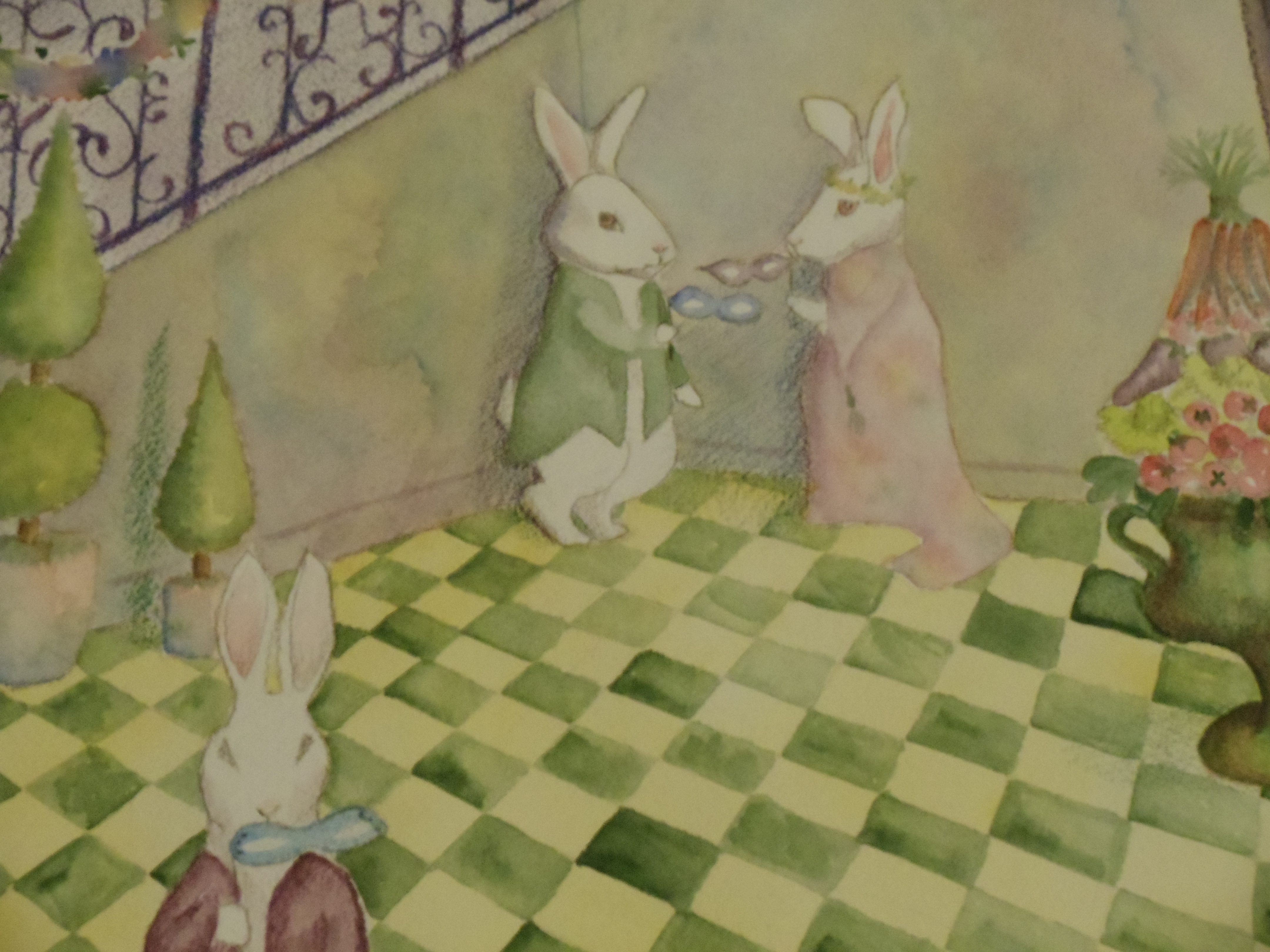
Watercolor by Vicky L. Lorencen

When I was born on March 4, 1963, amazing things were bubbling up in the realm of children’s literature. Beloved books like Where the Wild Things Are by Maurice Sendak were published in 1963. While I have no concrete evidence to connect my devotion to children’s books to the time I was born, who’s to say otherwise? (And just so you know, Theodor Geisel (aka Dr. Seuss) was born in March too–if that helps to convince you.)

The 1960s were what I consider the golden age of children’s literature. Picture books we now consider classics like The Very Hungry Caterpillar by Eric Carle, The Snowy Day by Ezra Jack Keats, Go Dog Go by PD Eastman, Amelia Bedelia by Peggy Parish, and Norman Bridwell’s Clifford the Big Red Dog and Bedtime for Frances by Russell Hoban were enjoyed by parents and children for the very first time. Junior high students feasted on freshly published novels we now cherish like Island of Blue Dolphins by Scott O’Dell, Charlie and the Chocolate Factory by Roald Dahl and A Wrinkle in Time by Madeleine L’Engle.

Regardless of the era in which we are born or the format in which books are produced, I hope (and believe) children’s literature will always have an honored place in childhood. At an SCBWI National conference, I heard children’s novelist Margaret Peterson Haddix talk about the difference between the books we read as children and those we read as adults. She observed that as children we devoured our books. If we loved a book, we read it over and over and over again. We memorized it, pondered on it and carried it with us, in our small hands and in our hearts.

And Ms. Haddix is right. As children we build a cozy fort in our hearts for the books we love. Maybe it’s because as adults, fiction is a mirror of our experiences, but for children, books are our streak-free windows. They help us see and experience things for the very first time. And to a child, that feels like magic.

I was born in the year of magic. By re-reading the stories of my younger years and creating new ones, I plan to keep my inner child happy for many year to come.

I grabbed a pile of dust, and holding it up, foolishly asked for as many birthdays as the grains of dust, I forgot to ask that they be years of youth. ― Ovid, Metamorphoses