Author Archives: Vicky L. Lorencen

school books rock

Standard

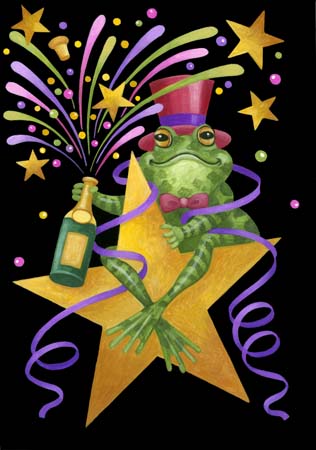
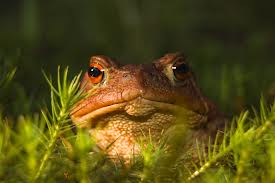
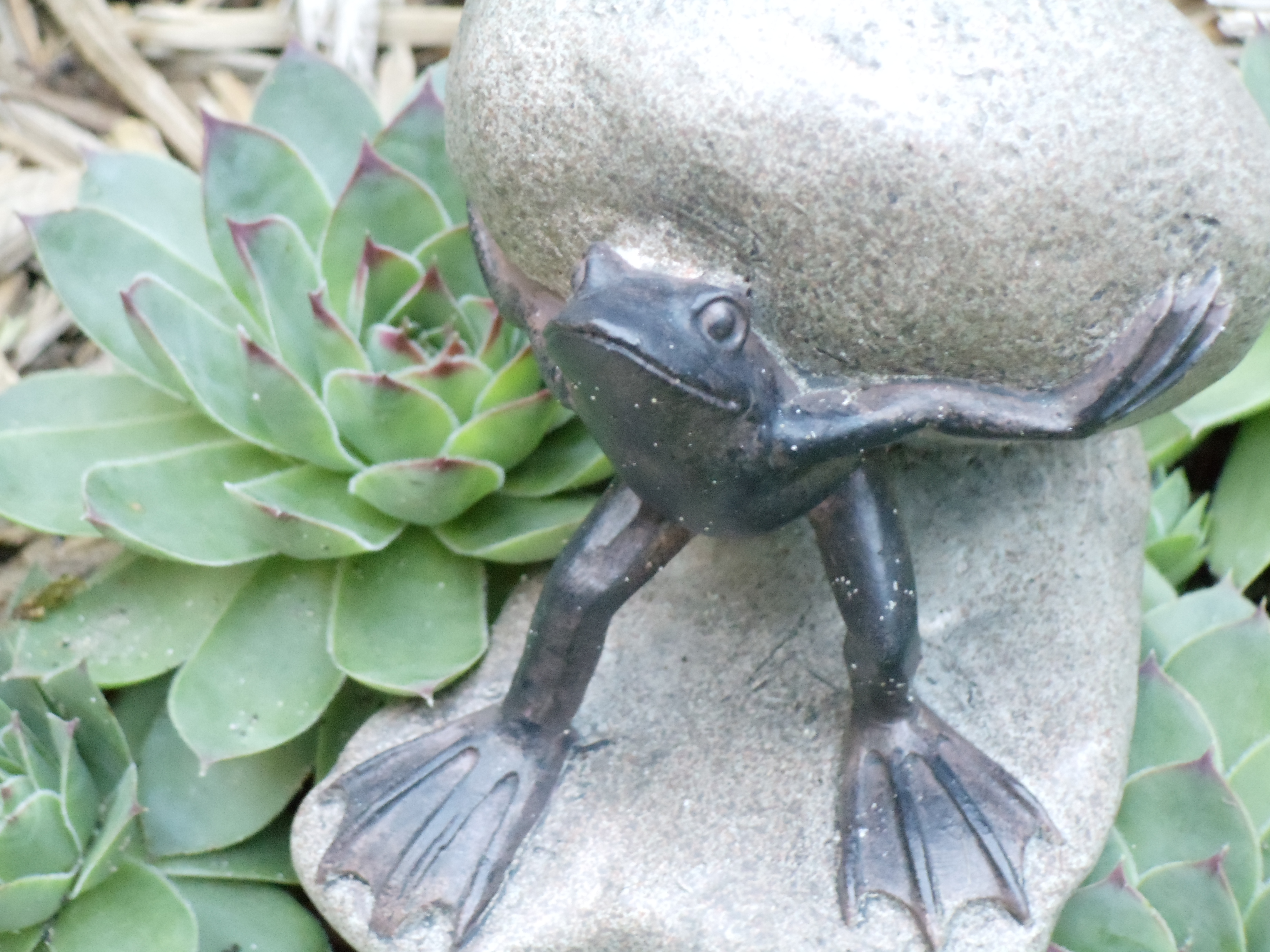
Frog on a Rock -- in my garden
With the start of a new school year, my thoughts turn to the books I knew and loved as a young student. It’s enjoyable to recall not only the books themselves, but the wise people who recommended them to me.

My earliest memories of books outside of home center around the little library in my red brick elementary school. I can “see” our teacher handing each of us a long wooden paddle to take with us to the stacks. Too young to “borrow” the books (or so they thought), I could pull out a book and put the paddle in its place, so I could later return it to the shelf myself. Making a beeline for the picture books, I must have worn the color off the pages of Hans Christian Anderson’s Thumbelina week after week. I was enchanted.

When I was a fourth grader, my favorite aunt sent me The Golden Name Day , a chapter book written by Jennie Lindquist and beautifully illustrated by Garth Williams. I loved the sweet story of a girl finding her place in the world. Years later, during a conversation with one of my best friends, Nancy (who, coincidentally, shares her name with the book’s main character) I learned that this same book was one of her favorites. It was endearing to discover we’d had a shared experience as young girls before we even met. We were kindred spirits before we even met.

Miss Hickory by Carolyn Sherwin Bailey was a 6th grade favorite, even thought I was probably “too old” for it. And forget, the Newbery medal on the cover, it was the illustrations that drew me in. Since we’d recently moved to a home with hickory trees in the surrounding woods, the story seemed all the more “real.” I may have even attempted to make a Miss Hickory doll.

In 7th grade, I had the privilege of serving as library aid. I remember our librarian helping me find Are You There God? It’s Me, Margaret by Judy Blume to take home. I’d never read such a realistic book–Blume wrote about bras and periods!–and it felt like a guilty pleasure to read it over and over again (just like the rest of my friends!) That same year my Language Arts teacher recommended I Was a 98-Pound Duckling by Jean Van Leeuwen. While not as provocative (ha) as Judy Blume’s book, it still spoke to me as a girl in that awkward, geeky tween phase.

In high school, my favorite World Humanities teacher insisted I read William Goldman’sThe Princess Bride . And notice, I used the word insisted, and not recommended or suggested. I think I was supposed to pick up a life lesson or two in those pages. I couldn’t miss the repeated refrain that life isn’t fair (true), but I’m guessing the other lesson was to look out for rodents of unusual size (aka, ROUSs) when I enter a fire swamp. Point taken. And let me just say, if your only connection to the The Princess Bride is through the movie, you my friend, are missing out. I really must insist you read the book. I would tell you the book is so much better than the movie, but then I’d be using a threadbare phrase and we can’t have that.

Let me encourage you to take a few moments to mentally wander back to your school days–what books drew you in, called you back to read them over and over again, changed how you saw the world or made you feel more at home in it? While some of my childhood favorites have stood the test of years, there’s no arguing that many would be as out of place as a geeky tween at a high school dance in most modern elementary libraries. But I’m willing to bet that the themes of those books–forming friendships in unfamiliar places, learning life isn’t fair, finding self-acceptance–are still relevant today. My goal, and I’m guessing yours too, is to create stories that will speak to children long after their school days end. Let’s do that.

And while we’re at it, let’s be thankful for the people–the parents, teachers, aunts, grandparents–who put wonderful books under our noses. I’ve no doubt they are the reason I love children’s books to this day. Give books to children as gifts, as surprises, as rewards . . . as nourishment. Yep, let’s do that, too.

My childhood was surrounded by books and writing. From a very early age I was fascinated by storytelling, by the printed word, by language, by ideas. So I would seek them out. ~ Carlos Ruiz Zafon
the downside of being colorblind

Standard
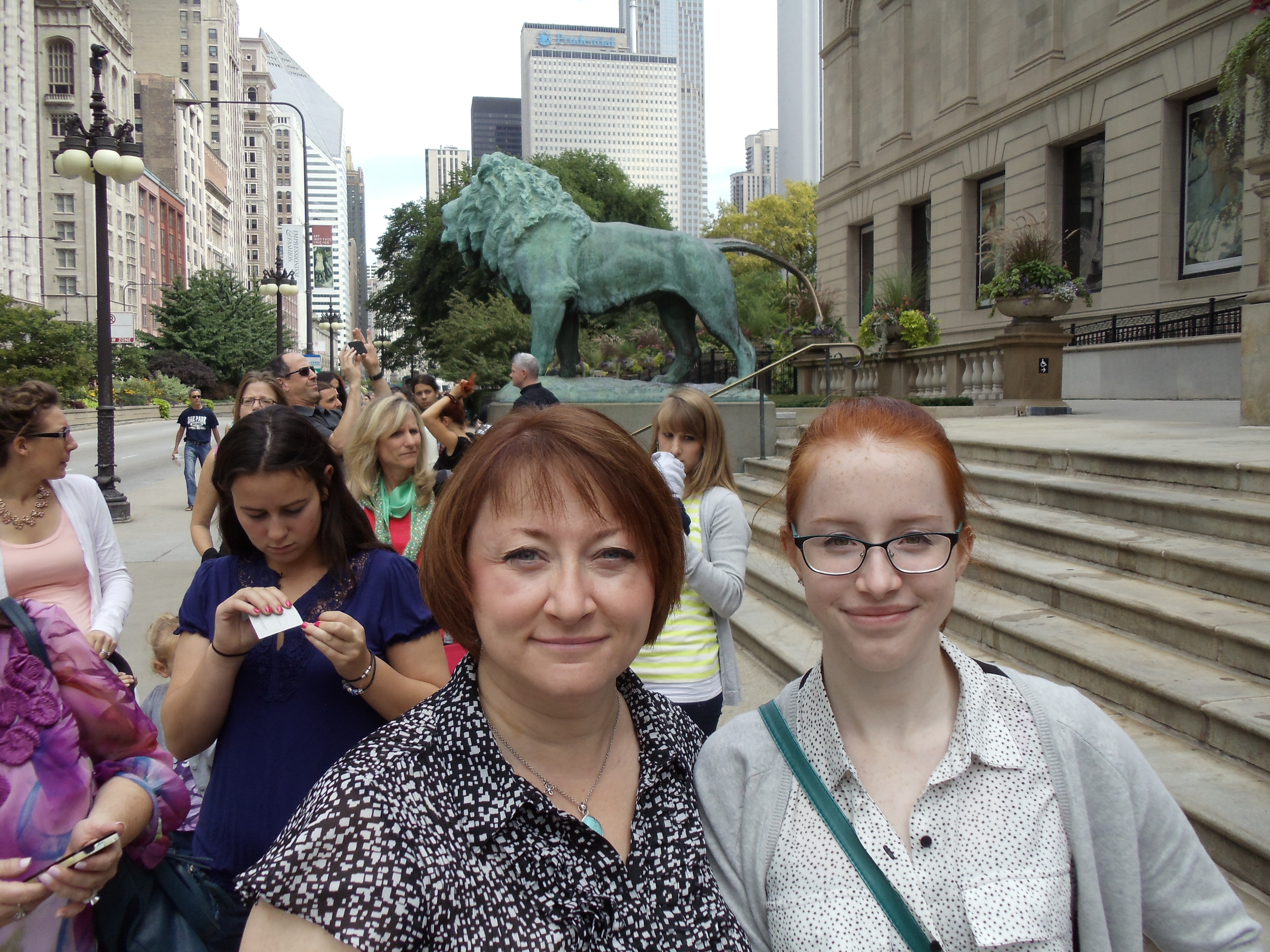
My daughter and me in Chicago

My daughter and me in Chicago

During a recent trip to Chicago, my daughter and I were walking outside the Art Institute of Chicago when she observed, “English is the language I’m hearing the least here. It’s refreshing.”

Now hold that thought, and please indulge me for a minute as I hop down a rabbit trail. (I promise it’ll make sense, eventually. Well, maybe promise is too strong a word. Let’s just say I hope it will make sense.)

When I was a kid growing up in the 1960s, I was fortunate enough to attend an interracial school. Perhaps because of the heightened racial tensions we were experiencing in American culture at the time, our teachers made a point of helping us little white kids to appreciate “colored people” and even taught us Negro spirituals like “Rock My Soul in the Bosom of Abraham.” (At the time I assumed the song referred to Abraham Lincoln!)

I recall being encouraged to understand that we are all equal and all alike inside. In my childish mind, I took that to mean, people may come in different colors, but inside we’re all the same–a white person like me. I also took it to mean that a person’s color was something I was to pretend I did not see.

Now, I’m guessing you learned better than that long before I did.

But as an adult, thankfully, I do see things–particularly people–differently. I still believe we are all equal and that as humans we share many common aspirations, insecurities and needs. But it took me longer than I’d like to admit to come around to the dangers of ignoring a person’s race, or more importantly the culture associated with it. White people like me seem particularly good at making this mistake. We act like we don’t see a person’s color or race, when of course, we do. Just like people of all races “see” others who are different from themselves. For whatever reason, we see this “not seeing” as a good thing, as if being Asian or white or hispanic or black is an unspeakable impediment to be tolerated or ignored. But a person’s racial heritage and color is not something to overlook like it’s a flaw; it’s something to be esteemed and celebrated.

And so, that brings me back to my daughter’s comment about finding it refreshing to be surrounded by different languages. (We live in a very homogeneous part of the Midwest, so while I was pleased about her observation, I wasn’t exactly surprised!) It made me think about the stories I’m creating for young readers her age and a bit younger. How often do I include a character who’s outside my white, middle class world? How can I help kids understand the importance of appreciating people inside and out?

How about you? Do you lean toward the familiar or do you intentionally branch out to create characters that reflect a broader worldview or culture or color? Let me encourage you to think of ways you can enrich a young reader’s world–or make it refreshing, as my daughter would say–by incorporating more diverse characters in your story.

Please don’t misunderstand me, I’m not asking you to change a main character’s name from Pete to Pedro, and call that “diversity.” You know better than that. I’m simply suggesting that when it makes sense, or maybe even when it doesn’t initially, consider how you can build richer worlds for your readers by word-painting with all the colors.

I promise I’ll do the same.

Thinking is the hardest work there is, which is probably the reason why so few engage in it. ~ Henry Ford

are you grandmothering your manuscript?

Standard
Grandma Frog by E.R. Crowell

Grandma Frog by E.R. Crowell

I was once a manuscript’s grandmother. When I drafted my first novel, I was like a grandmother to my characters–heck to the whole story itself–I thought everything my characters did was adorable. If they wanted to toddle down a rabbit trail, I tagged along, allowing the little darlings do or say pretty much anything their hearts desired. It was fun!

As a doting grandparent, I said, “Well, the kids are only here for such a short time. Let them twist the plot to smithereens. Who cares if this dialogue doesn’t contribute to the story. We’ll clean up the mess later.” Oy. And such a mess they (we) made. Like cleaning up the PB&J on the walls after the grandkids go home, the revision process that followed was messy and painful.

I will confess that I chose the “grandparenting approach” intentionally (and in my defense as a once novice writer, unwittingly) because I thought writing that first draft was all about discovery. Who could work from an outline, I thought. How boring to know how the story will end ahead of time. It’s the not knowing that pushes you to keep writing. Isn’t that the way it’s supposed to be?

I’ve since learned (through much wailing and gnashing of teeth) that parenting a manuscript is the way to go. Motivated by love for my characters, I have disciplined myself to tell them no. I must also allow my sweeties to make bad choices and to get themselves cowlick-deep in doo-doo (something a rescuing grandma could never do). And I have come to appreciate pre-writing and planning because, not unlike a parent who is looking out for a child’s future, it propels me to be more productive and create a stronger product sooner than I might otherwise.

Parenting and novel writing have another thing in common–the goal is to work yourself out of a job. A parent wants to raise a happy, independent, responsible adult, not a kid who stays a kid forever. A novelist wants to create a fully-formed (and finished!) story, not a germ of an idea that never develops or sits half-finished in a file forever. Planning and preparation aren’t guarantees, but they do increase your chances of finishing what you started and being pleased with the result.

Consider these jump starters to help you parent your manuscript to maturity:

* Snowflakes Try Randy Ingermanson’s amazing Snowflake Method
* Notebook Paper Create a traditional outline (you know, Roman numerals, et al.)
* Index Cards Draft the novel scene by scene on index cards (pretty ones)
* Paper and Markers Use mind mapping (great for very visual writers, plus, you get to color)

(Now, do any of these sound that scary?) 

If you’ve always taken the grandparenting approach, let me challenge you to give one of the jump start methods an honest try. It will feel confining and foreign at first. But I think you’ll be delighted to discover, as I did, that these methods still allow you lots of wiggle room to be surprised by your characters as you get to know them, to “see” something new you hadn’t anticipated in the planning phase, and just like a proud parent, you may see your work grow to become something even better than you first imagined.

If you’re going to write a novel, you have two choices: Jump in or wade in. Either way you’re gonna get wet. So, why not give manuscript parenting a try?

To Grandma, For being my first editor and giving me the best writing advice I’ve ever received: ‘Christopher, I think you should wait until you’re done with elementary school before worrying about being a failed writer.’ ― Chris Colfer, The Wishing Spell

congratulations winner of 45 Pounds (More or Less)!

Standard

45 Pounds (More or Less) by K.A. Barson

45 Pounds (More or Less) by K.A. Barson

By Stephanie Stouffer

By Stephanie Stouffer


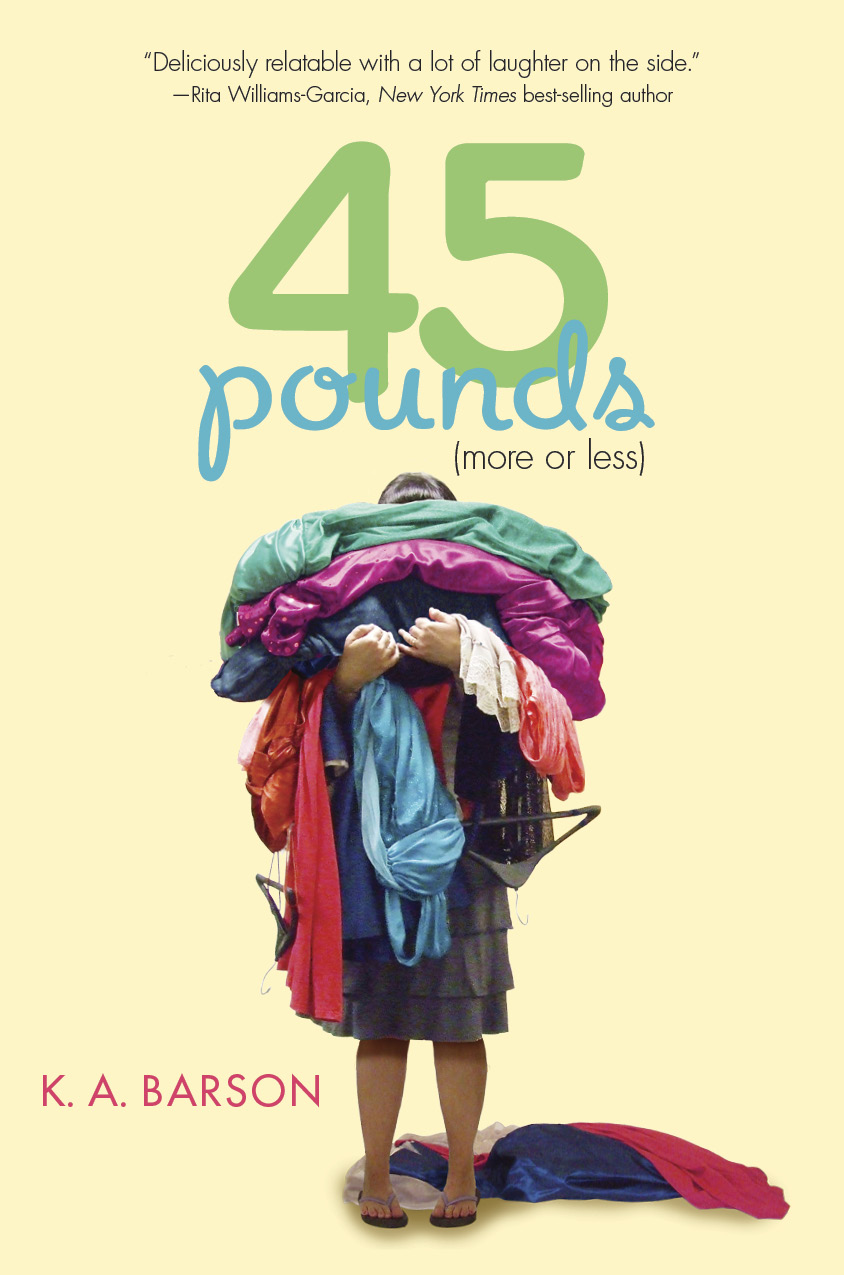
Many thanks to everyone who entered the 45 Pounds (More or Less) giveaway. Frog on a Dime is happy to congratulate Lisa Craven, WINNER of a personalized copy of K.A. Barson’s debut young adult novel.

Lisa, please go the Frog on a Dime contact page to provide your mailing address for shipping. Your new summer reading will be on its way to you soon. So that Kelly can provide you with a personalized autograph, please indicate if you’d like the book signed for you or for another lucky person.

If you weren’t a lucky winner today, let me encourage you to purchase a copy from your local independent bookstore, if possible.

Hoppy Summer Ready from Frog on a Dime!

win 45 pounds (more or less)

Standard

45 Pounds (More or Less) by K.A. Barson

45 Pounds (More or Less) by K.A. Barson

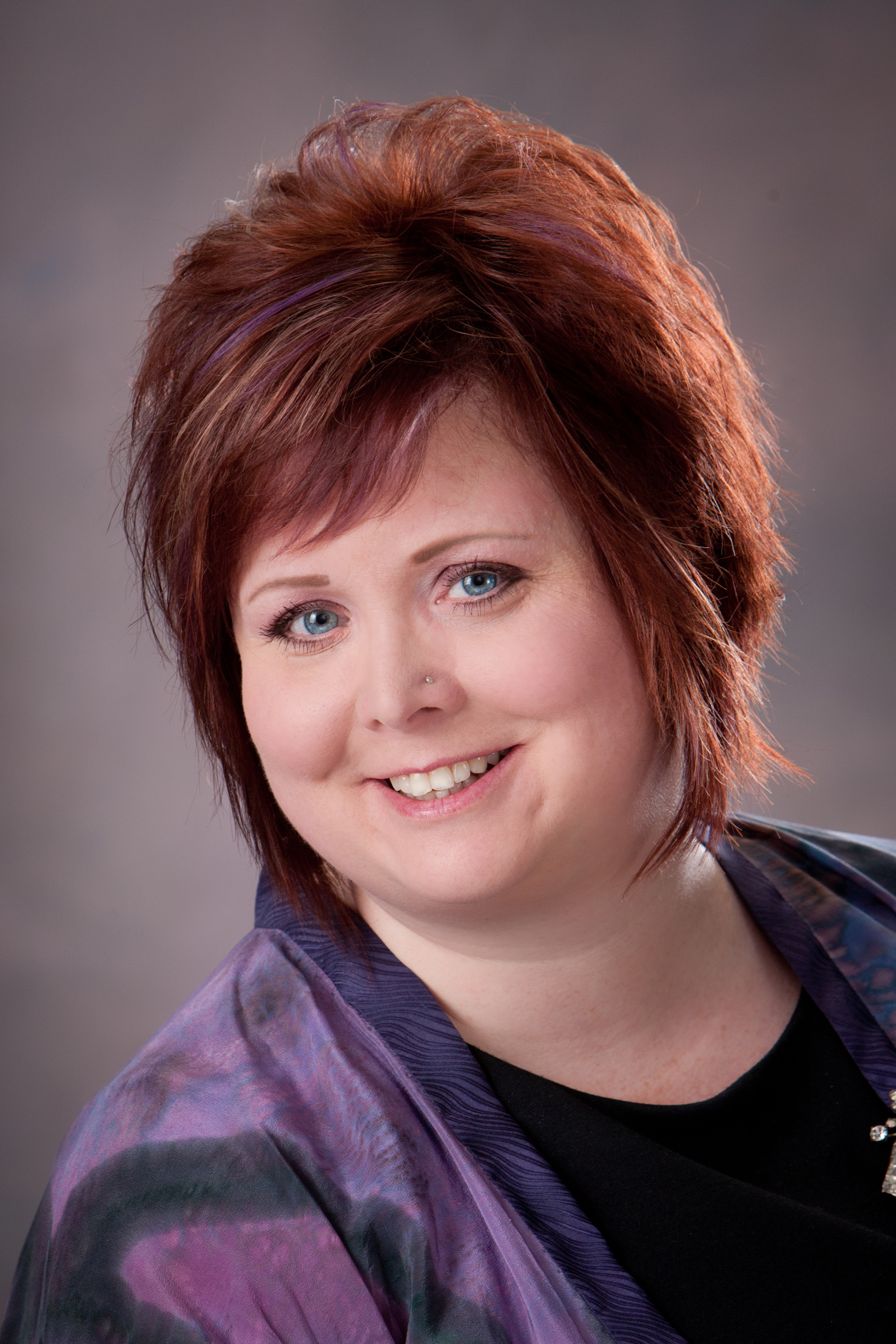
K.A. Barson (aka my friend Kelly)

K.A. Barson (aka my friend Kelly)

Just one week ago today Kelly Barson’s young adult novel 45 Pounds (More or Less) made its debut. The blogosphere has been buzzing with words of praise from readers ever since.

WHAT?!

You haven’t read 45 Pounds yet? It’s funny, refreshing and fabulous, just like Kelly.

Well, now is your chance to win a FREE, personally autographed copy!

Entering the official Frog on a Dime drawing is simple:

–Just leave a comment on this post by 1:45 p.m. (EST) on Sunday, July 21.
–The winner will be announced on Sunday evening.

You could have your own personalized copy of the hottest debut novel of the summer headed your way soon!

Kelly hopped on over to Frog on a Dime earlier this month. Read my interview with Kelly. Check out Kelly’s interview with Natalie Aguirre on Literary Rambles too!

The difference between the impossible and the possible lies in determination. ~ Tommy Lasorda

what about bob wisdom

Standard

russian-frogI love the movie “What About Bob?” I do. I love it. I love it for lots of reasons–the humor, the acting, and surprise, surprise, I love the writing.

And despite being a needy, multiphobic, albeit lovable, mess, the comedy’s main character Bob has some real wisdom to share when it comes to dealing with rejection. Oh, what? You’ve never been rejected? Well, that just means you’re not submitting anything to editors. (Bob would tell you to take “baby steps” and get yourself out there, but we’ll save that for another blog.)

There’s a scene in the movie where Bob is riding in a car, chatting with Anna, the daughter of his psychiatrist. The pair is comparing notes on what their lives are like. Anna mentions her fear of rejection. Bob offers this advise:

“You know what I do? I treat people like they’re telephones. If I meet somebody who I don’t think likes me, I just say to myself ‘Bob, this one’s temporarily out-of-order. Don’t break the connection. Just hang up and try again.'”

Is that super lightening brilliant or what?

I suggest framing the submission process using Bob’s sage wisdom. Treat editors like they’re telephones. If an editor doesn’t like your work, don’t break the connection, just try again. You might be able to try again with the same editor or maybe you’d be better off sending your work to someone new. The point is, you don’t roll yourself into a little ball of sniveling dough (like I sometimes do) if you are rejected, you simply try again. And again. And again. Wash. Rinse. Repeat. You know the drill.

If it will give you some perverse pleasure/make you feel better, read the rejection stories of the work of some doing-“okay”-for-themselves authors like Ernest Hemingway, Stephen King and George Orwell. As you know, despite some editors being “temporarily out-of-order” when it came to their work, these authors kept trying again. And, I think it’s safe to say, it paid off for them.

So, why not you?

What about you?

This manuscript of yours that has just come back from another editor is a precious package. Don’t consider it rejected. Consider that you’ve addressed it ‘to the editor who can appreciate my work’ and it has simply come back stamped ‘Not at this address’. Just keep looking for the right address.
~ Barbara Kingsolver

let’s talk about “the J word”

Standard

green with jealousy

green with jealousy

Up until recently I believed I had green eyes. (Even my driver’s license says so.) But then, my redheaded, hazel-eyed daughter insisted my eyes are blue. So, at my last optometrist appointment, I asked my doctor to confirm once and for all that my eyes are indeed green. (You know, just to set the matter to rest with an expert opinion.) Turns out, my eyes are . . . blue. Truly green eyes, according to my doctor, are rare.

Of course, there’s another kind of green eyes that isn’t so rare–the green eyes of that monster called jealousy. Now, I know I’m poking around in a touchy topic. Jealousy is, well, it’s embarrassing. It makes us feel small, immature and vulnerable. Nothing pretty about that.

Jealousy is an especially sensitive issue among children’s writers. It’s been my experience that we are an exceptionally supportive bunch. We’re not “supposed” to be jealous of one another. But if we’re honest with each other and ourselves, jealousy happens to all of us, me included.

I can’t for a second claim I’ve got a permanent muzzle on my own green-eyed monster, but maybe some of these observations will be helpful to you. Well, I mean, not you, but maybe that jealous, less mature “friend” who needs this advise.

It’s not that you want the other authors to be unsuccessful. It’s just that you want to be successful too. Isn’t that it? Other authors have worked hard and deserve to be recognized. And you darn well know it. The miserable part is waiting and believing your turn is coming, the same way those other (blankity-blank) people believed, and worked and waited.

I used to think that it was only unpublished writers who felt jealous–you know, jealous of those who were being published. But I’ve since learned that’s not the case. Published authors can still be jealous of other authors for having higher Amazon rankings, better book deals, more agent attention, cooler awards or accolades and on and on. The lesson? If you opt to stay on the jealousy train, it’s gonna be a long ride.

Cut yourself some slack if you feel jealous of celebrity authors. I consider this a kind of jealousy loophole. While there are a thimbleful of celebs who can truly write for children, it’s clear that most are relying on their name to sell books. Instead of feeling jealous, I try to console myself with the idea that celebs help to keep publishers afloat, and if those publishers have a healthier bottom line, maybe they’ll have a little extra cash to take chances with lesser knowns like me. (That’s my theory anyway.)

Try to avoid the “why not me?” sink hole. A brain wrapped in layers of green goo can spit out some pretty skewed thinking. For example, we want to attribute someone else’s success to nothing more than luck. Now, luck may have played a role, but it’s likely the object of your jealousy had been working for years so that when fate/luck/happenstance happened, they were ready to take advantage of the opportunity. (Hmm. That was pretty smart of them, wasn’t it?)

Let me challenge you to churn that jealousy into motivation. Rather than let your jealousy sap your creative energy, let it ramp up your focus, drive and productivity. C’mon kid. Dig deep, quit whimpering and create something to provoke jealousy in someone else.

And hey, wait up. I’ll join you!

You can be the moon and still be jealous of the stars. ~ Gary Allan

anne lamott had her nostrils removed?

Standard

pinnochio frog

pinnochio frog

Has your muse gone to visit her mother in the Hamptons? Consider one of these fine reads to top off your inspiration tank. These are my five favorite go-to books . . .

Bird by Bird, Some Instructions on Writing and Life by Anne Lamott
This book is a classic for a reason. It’s full of solid advise and insights, wrapped in Anne’s wry wit. But Bird by Bird earned a cozy place in my heart for two very personal reasons. While I read it–more like absorbed it–I saw myself in her pages. As I was nodding my head, I realized I related to Anne’s words and experiences because I really am a writer. Not a writer-wanna-be, but someone with the heart of a real writer. Mmm-mmm-mmm. That’s some good soul-sticking stuff right there.

While I’m at it, I may as well confess my silly association with this book. I recall reading Bird by Bird for the first time by lamplight, alone in my living room. My daughter came running in when she heard me let out a loud gasp. I had just read the part where Anne shares about having her nostrils removed. You read that right–her nostrils! (Silly me. My eyes transposed a few letters. Anne had her tonsils removed. Oh, right, tonsils. Sure. I knew that.)

Take Joy, a Book for Writers by Jane Yolen
Lots of reasons to love and read this little volume. First off, Jane Yolen wrote it. That’s reason enough. Secondly, I love the title because it’s based on one of my favorite quotes from Fra Giovanni–“The gloom of this world is but a shadow. Behind it, yet within our reach is joy. Take joy.” Jane’s book is a warm, lovely mixture of instruction, wisdom, observation and encouragement.

Making a Literary Life, Advice for Writers and Other Dreamers by Carolyn See
Whether she intended to be or not, I think Carolyn See is a hoot. While she does devote about half of her book to craft, in the first half she talks about things like how to pretend to be a writer (hey, we all have to start somewhere) and she offers advise I’ve never seen included in any other book on writing–how to dress for your first trip to New York (seriously–right down to the jewelry), about sending charming notes (every day) to help you make connections with publishing people, about writing a thousand words a day, and about setting up a writing account to help you make your writing life a reality. She’s so pragmatic and dramatic at the same time. And by the way, I took Carolyn’s advise on the writing account and I’m so glad I did. Whenever I sell a little article or make a bit of extra cash, I tuck it in that account. Knowing the money is there for writing-related ventures gives weight and reality to my otherwise dreamy dreams.

On Writing, a Memoir of the Craft by Stephen King
I am not a Stephen King fan. (Won’t he be crushed?) He’s talented alright, but his stories are just too scary for me. (Yes, I’m a ninny.) I enjoy this memoir because I think it’s fun to learn what makes other writers tick. And that brilliant Stephen, he’s got himself some ticks. I wouldn’t read On Writing for particulars on craft or technique, but more for inspiration and insight.

Walking on Water, Reflections on Faith and Art by Madeleine L’Engle
This is by far my favorite, favorite, favorite book on writing. (And just to be clear, Walking on Water is not a how-to book!) This book is filled with many of Madeleine’s favorite quotes (I have her to thank for introducing me to the Fra Giovanni quote I love), along with stories of her life and family, and faith, philosophy and the artistic process. Best of all, she opens her heart and reflects on writing for children and why it matters so much. I deeply admire Madeleine’s respect for children and the importance of giving them only our very best as writers.

This summer I intend to re-read all of these, even if my muse returns early from the Hamptons.

How about you? What are your favorite books on the craft of writing?

The profession of book writing makes horse racing seem like a solid, stable business.~ John Steinbeck

where’s your permission slip?

Standard

(c) Vicky L. Lorencen

(c) Vicky L. Lorencen

(c) Vicky L. Lorencen

(c) Vicky L. Lorencen

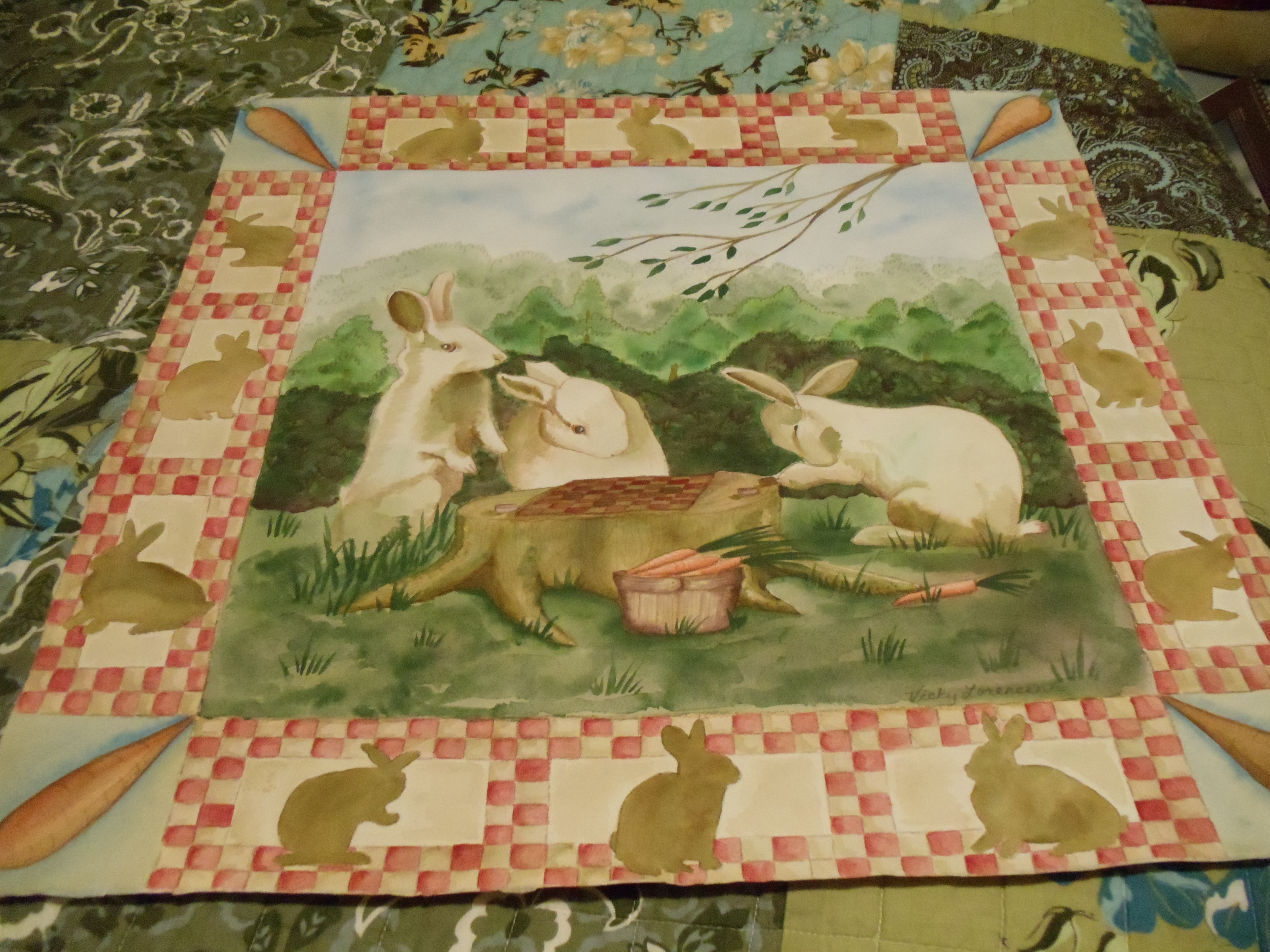
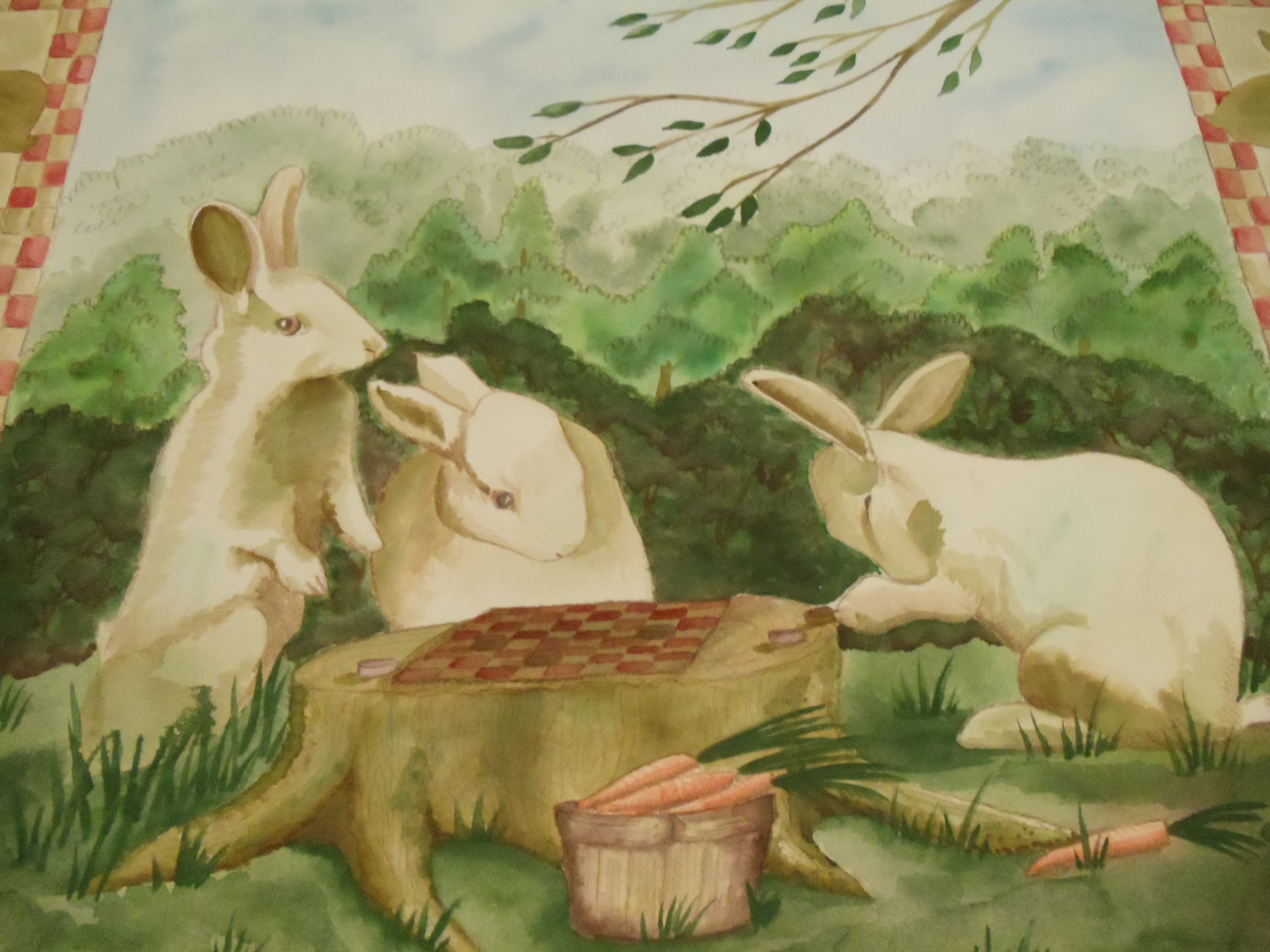
When I took my first watercolor class, I painted the usual subjects–you know, a bowl of fruit, a self-portrait, a landscape . . . but then, my teacher allowed me to do an independent study. That’s when I started painting bunnies. I learned a lot in the first class, but it wasn’t until I was cut loose and given permission to paint what I liked that the fun really started. Sure, not everyone likes to paint bunnies playing checkers, but I do! (Consider it my nod to dogs playing poker.)

Do you find it a challenge to give yourself permission to try something new or to take a risk?

Mind if I help you with that?

Complete the permission slip below.

It’s all set to go. All you need to do is fill in the blank.

* Grant yourself permission to submit a polished manuscript to an editor.
* Join a critique group.
* Query an agent.
* Set yourself free to dabble in a new genre. Ever written a haiku? A biography? A mystery?
* Let go of a project that’s sapping your creative energy.

You decide!

———————————————————————————————————

I, Vicky Lorencen of Frog on a Dime,

grant you permission to ______________________________________ with my blessing.

Please report back about what you did!

Write yourself a permission slip to be surprised by someone’s potential. Who knows? One day that person could be you. ~ Sherri Shepherd

meet debut YA author K. A. Barson

Standard

K.A. Barson (aka my friend Kelly)

K.A. Barson (aka my friend Kelly)

45 Pounds More or Less by K.A. Barson

45 Pounds More or Less by K.A. Barson


What a delight to welcome my friend and favorite new YA author K.A. Barson to Frog on a Dime. Kelly’s debut novel 45 POUNDS (More or Less) will be released by Viking on July 11. I was lucky enough to read it this week. Trust me, you will want to pre-order yours now! In fact, order two–one for you and one for a teen girl you love. She’ll thank you for it!

Recently Kelly was kind enough to pull up a dime and spend a little time answering a series of grueling, mind-numbing questions. She’s quite a trooper.

So, Kelly, when did you know you wanted to become a writer?
I don’t remember ever not wanting to be a writer, but for most of my life it wasn’t a real dream. It was like wanting to be President or an astronaut or professional basketball player or rock star kind of dream. I wrote stories and sometimes submitted them. One rejection meant they were destined to live in my file cabinet. I didn’t realize that it was something I could really do until I shared with a friend from church that I’d written a book for young readers (it had a file condo in my cabinet) and she introduced me to this group called SCBWI. Her name is Vicky. Maybe you know her?

Very funny, Kelly. So, back to you, what is it about writing for children that appeals to you versus writing for adults?
I don’t have much in common with adults. Kids’ and teens’ feelings and life experiences feel the most alive and real to me. Whenever I imagine a story, it’s from a young person’s perspective. They have the most unique ways of looking at the world.

What were your favorite books growing up?
My first loves were Mother Goose and Dr. Seuss. I remember making up my own stories to the Mother Goose illustrations. I would look at them for hours, long before I could read. Then I devoured everything by Beverly Cleary and then Judy Blume. As a teen, I loved Stephen King.

What is the best writing advice you’ve ever been given?
When talking about my work-in-progress at the time, a mentor once told me that my character has to DO something besides not die. That really stuck with me. Knowing a character’s motivation–what s/he wants and why s/he reacts a certain way–has helped me shape my work ever since.

What do you know now that you wish you’d known when you were starting out?
It takes 10,000 hours to master any craft. I wish I would have had the patience to wait until I had my hours in before submitting. I was gutsy enough to think I had what it took long before that. Maybe I needed that intestinal fortitude to keep going, but when I read some of the stuff I submitted too early, I’m embarrassed.

What are you glad you didn’t know when you were starting out?
I’m glad I didn’t know how long it would take. If my Magic 8 Ball had given me cold, hard numbers and dates of when things would finally start happening, it might have been too overwhelming. I might have given up. I hope I wouldn’t have, but the idea that it “could happen tomorrow” kept me going. I might not have worked as hard if I knew it would still be years away.

What’s the most encouraging thing anyone has ever said to you (related to writing)?
This is the hardest question. I’ve been blessed with a massive support network–from my dear friend Vicky who first encouraged me to be a real writer to multiple-award-winning authors who’ve cheered for me every step of the way. Just thinking about the answer to this question has overwhelmed me with gratitude.

What advice would you give to someone who has been pursuing publication for a long time, with close calls, but no contracts?
Never give up. “The Call” happens in an instant, often when you least expect it. Just keep plugging along and don’t let discouragement rule you. It really could happen tomorrow.

You’re a great encourager, Kelly. Thank you so much for stopping by. Best wishes on the release of your awesome first novel. I know teen readers will love it as much as I did.

And, as always, we end with a quote. This one happens to be one of Kelly’s favorites . . .

Whether you think you can or you think you can’t–you’re right. ~ Henry Ford.