Category Archives: Multipurpose

i was born in the year of magic

Standard

Happy March! Can you feel the magic?

Vicky L. Lorencen's avatarWelcome to Frog on a Dime

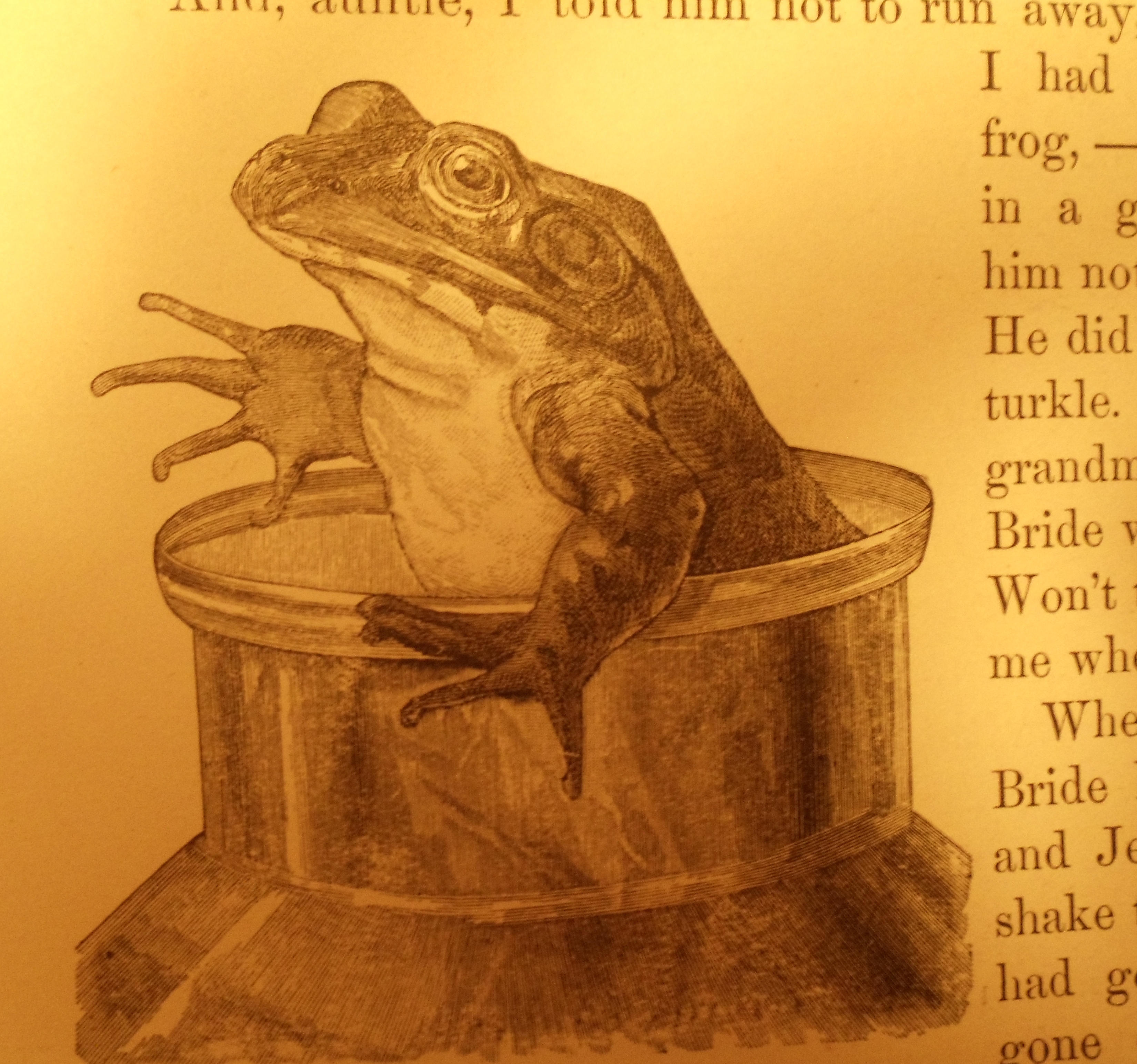
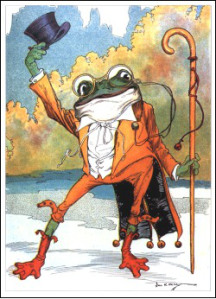
frog in top hat I was born in the year of magic. Not many people can say that, but I can. March 4, I’m celebrating my first 50 years. When I was born, amazing things were bubbling up in the realm of children’s literature. Beloved books like Where the Wild Things Are by Maurice Sendak were published in 1963. I have no concrete evidence to connect my devotion to children’s books to the time I was born, but who’s to say otherwise? And just so you know, Theodor Geisel (aka Dr. Seuss) was born in March too–if that helps to convince you.

The 1960s were what I consider the golden age of children’s literature. Picture books we now consider classics like The Very Hungry Caterpillar by Eric Carle, The Snowy Day by Ezra Jack Keats, Go Dog Go by PD Eastman and Bedtime for Frances by Russell Hoban were enjoyed by parents and children…

View original post 260 more words

making nice with the colonoscopy of the literary world

Standard

Photo & Collage by  Vicky Lorencen

Photo & Collage by
Vicky Lorencen

Be look-me-straight-in-the-eye honest . . .

If Synopsis sent you a Friend Request on Facebook, would you reply?
If you were mandated by law to have dinner with either Synopsis or a bagpipe-playing bulimic zombie, which one would you choose?
If Synopsis offered you an all expenses paid vacation to a secluded island paradise, would you go, if he had to share your bungalow?

If you answered:
No. Automatic decline.
Zombie. No doubt.
No way!
You are in the majority.

Poor Synopsis. He’s the colonoscopy of the literary world–you know you need to do it and it’s important, but you want to avoid it for as long as humanly possible. Just thinking about it makes you tense up.

The only one who actually likes Synopsis is Query Letter, because compared to Synopsis, he seems fun to be with.

So, seeing as we are all grown-ups here and knowing we will all have to face down Synopsis sooner or later–at a party, in an elevator or even in our office–let’s find a way to make nice, shall we?

Here are the bare bones basics for getting along with Synopsis (at least as I understand them). Think of it as Synopsis Etiquette 101.

Some authors like to create a chapter by chapter synopsis, but I prefer the kind that simply follows the high points, main characters and natural plot arc of the story. It’s really up to you. (Whenever possible, check to see what the recipient of your synopsis would prefer. A lot times you can find this info in a publisher’s or agent’s submission guidelines.)

Unlike jacket flap copy that teases the reader, a synopsis has to the spill the beans. Yes, you have to tell how your story ends, and how any of the major plot points you mention resolve themselves. Editors want to know you can bring a story to a satisfying conclusion. Sure, it seems counterintuitive to give away the ending when you want to lure someone into reading your work, but editors aren’t interested in being tempted. They want to be told. Not only does a complete synopsis tell the ending, it tells the editor you’ve completed a fully realized plot.

A synopsis is written in present tense. (Be sure to read your completed synopsis out loud to help you catch any tense lapses.)

Regarding formatting:

A synopsis is typically single-spaced, with double lines between the paragraphs.

Always use one-inch margins.

I would put the title in all caps, and then add the word Synopsis centered beneath it.

Depending on the desires of the editor or agent, you may need a one or two page synopsis. If you can do it justice with one page, then I think that’s fine.

There now. That wasn’t so bad, was it? Getting along with Synopsis takes practice and patience (and sometimes pharmaceuticals, as directed), but I have faith you two will find a way to make peace before you file for a restraining order.

Story is honorable and trustworthy; plot is shifty, and best kept under house arrest. ― Stephen King

oh, okay, you can take a peek

Standard

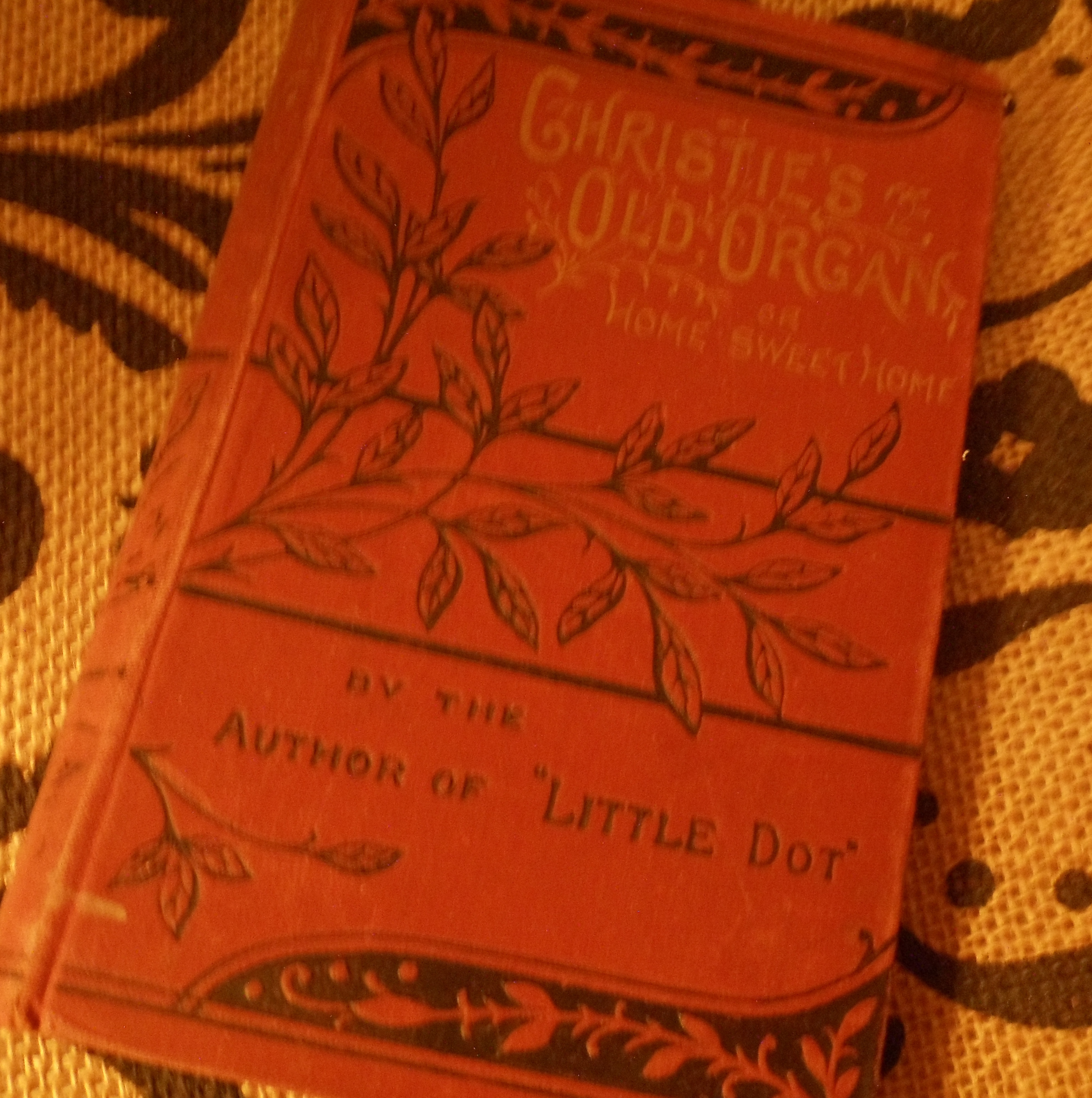
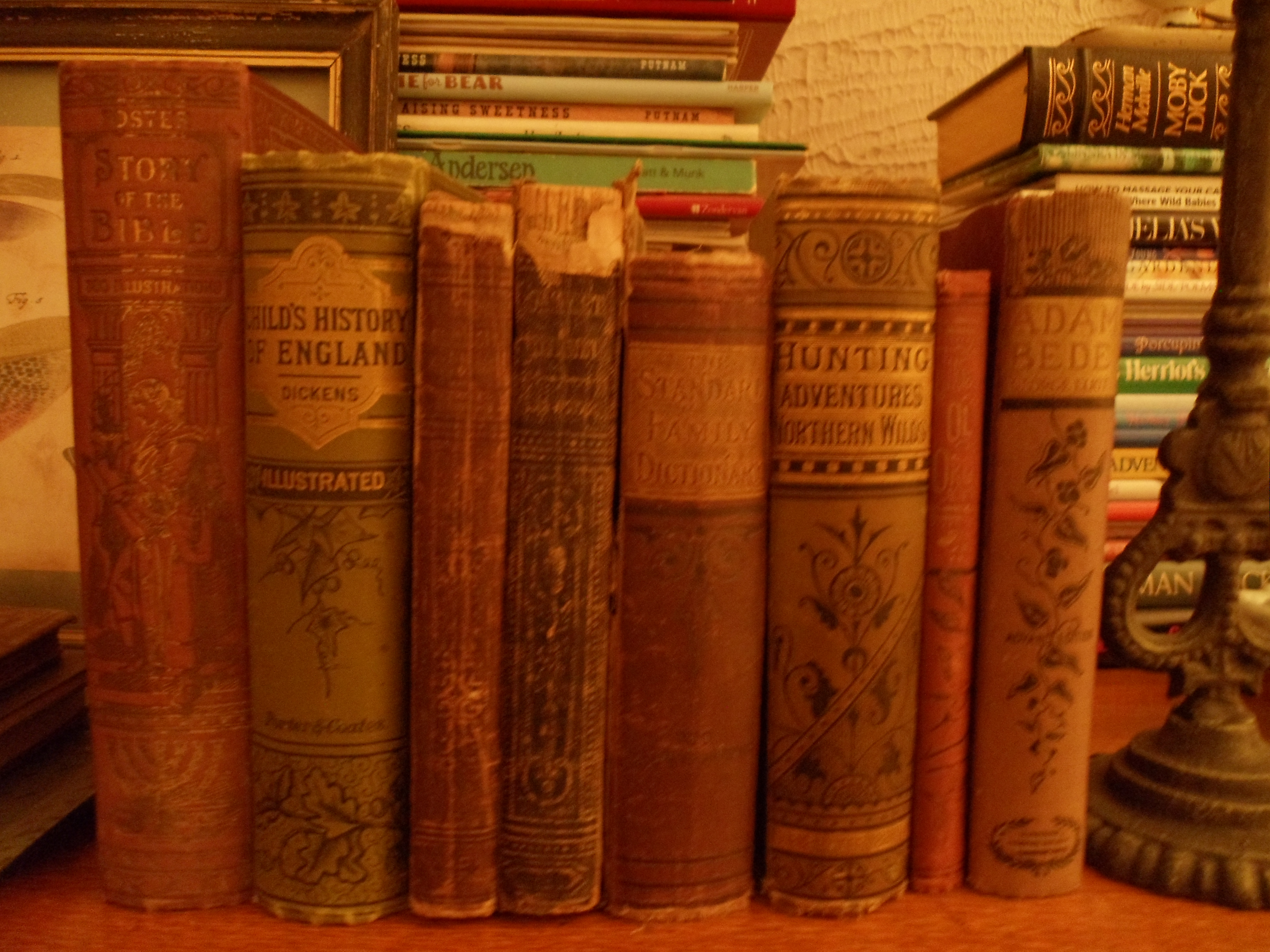
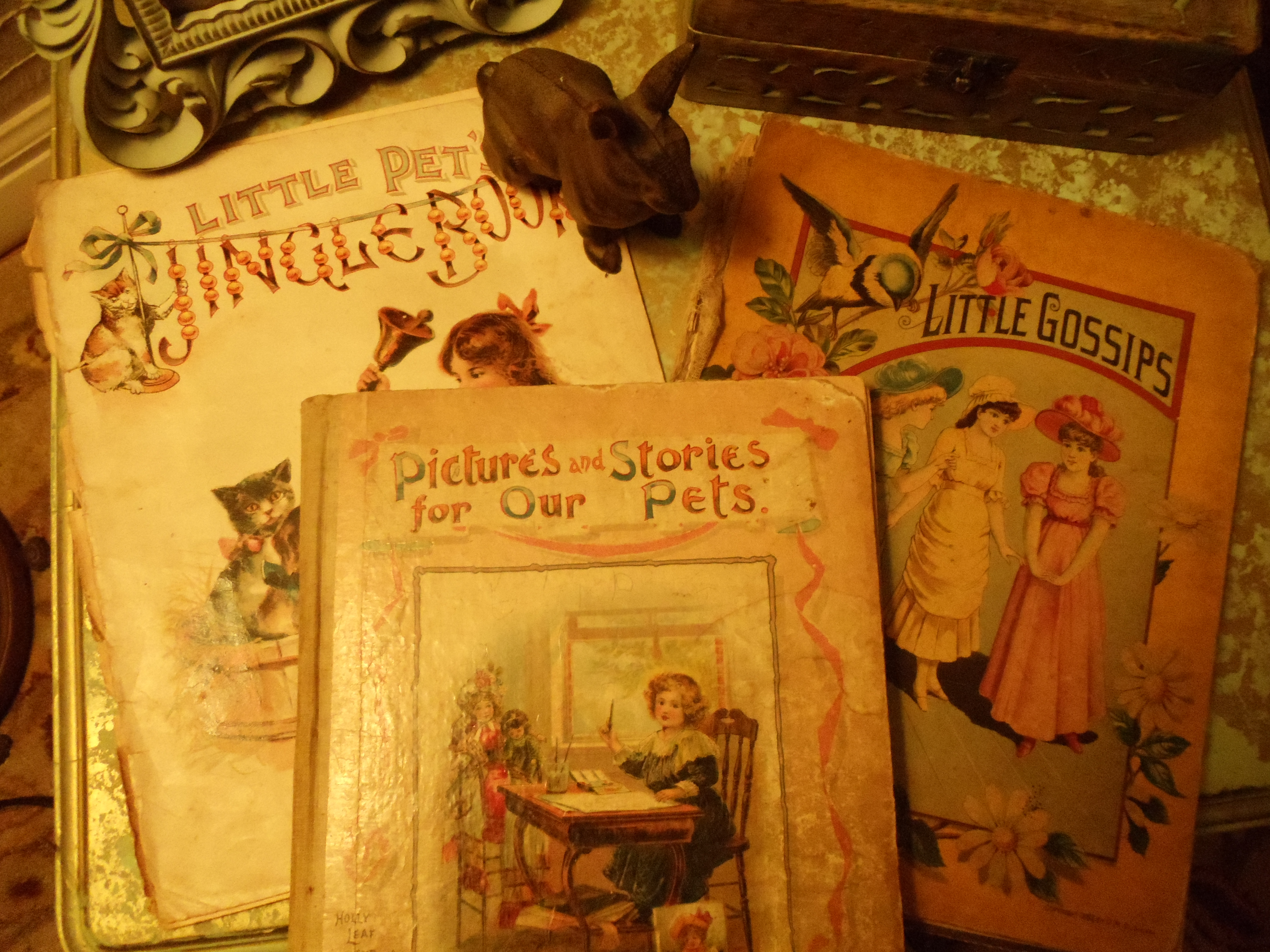
DSC02703When I was a freshman at a little liberal arts university in Indiana, I worked in the campus library. There I was given the privilege of rehabilitating antique books housed in the library’s tiny archives. Pulling on white cotton gloves, I dabbed a lanolin-based concoction on the poor old spines, backs and faces of leather-bound books to prevent “red rot” (or deterioration of the leather into a red powder).

DSC02709

Looking back, I guess you could say I was a book masseuse. Mind you, I had no formal training. I have no idea what possessed the librarian to be so trusting. Perhaps no one else wanted to sit in the dim, musky, climate-controlled room swabbing long-forgotten volumes. Or maybe Miss Holcalm could see how much I respected and loved the books. Then again, I was a freshman. She could have told me to go dust the dictionaries page-by-page and I would have done it.

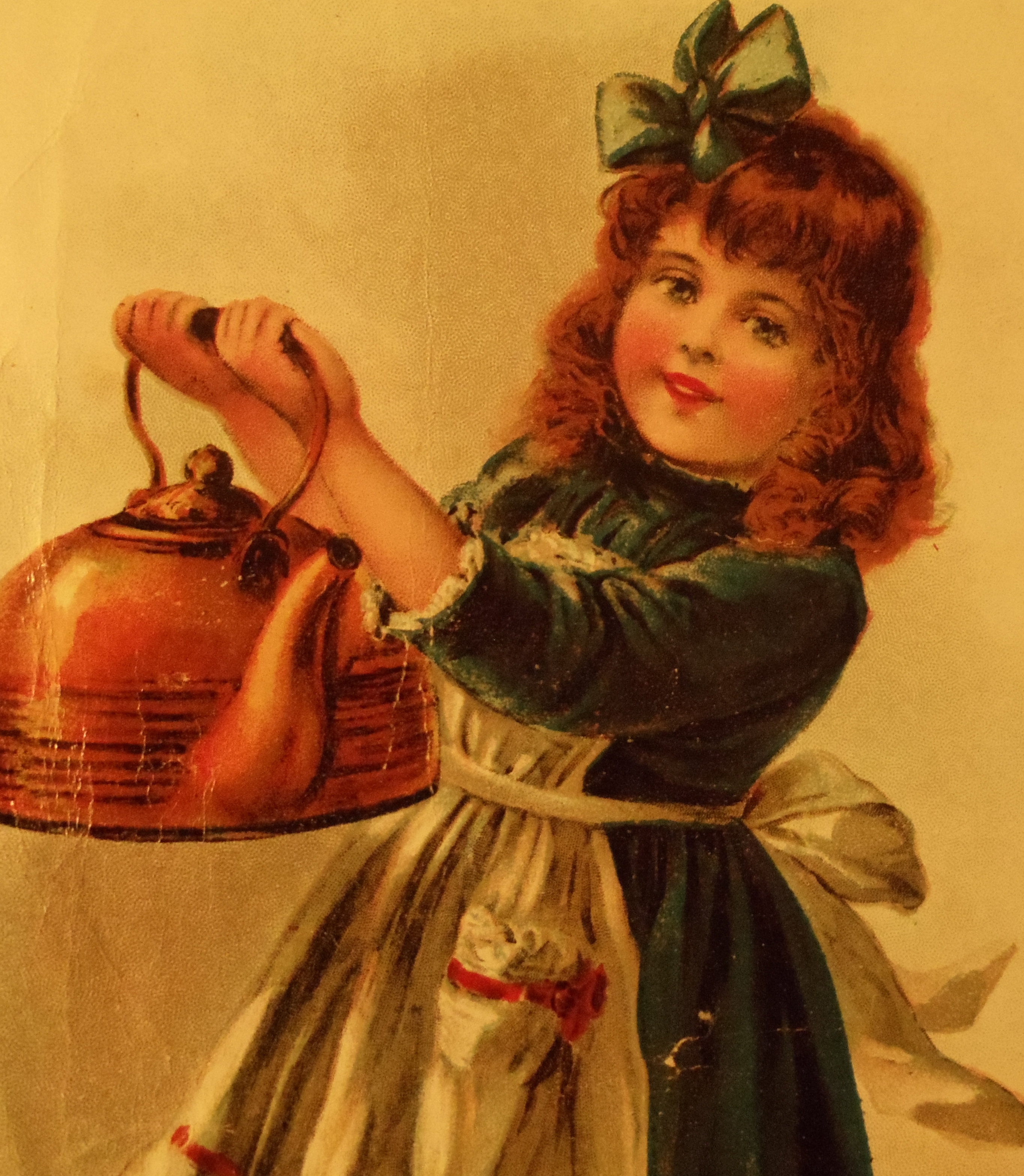
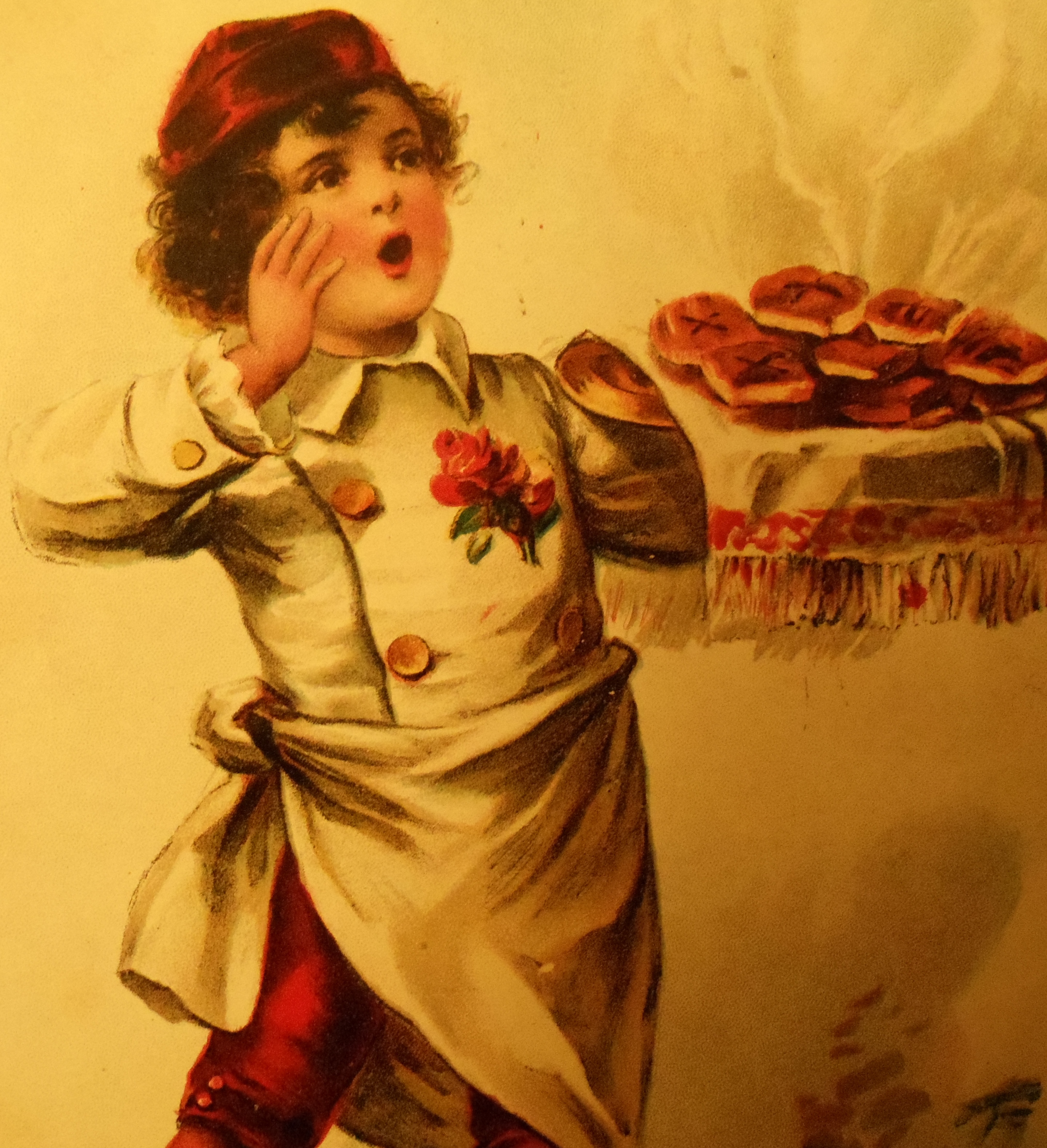
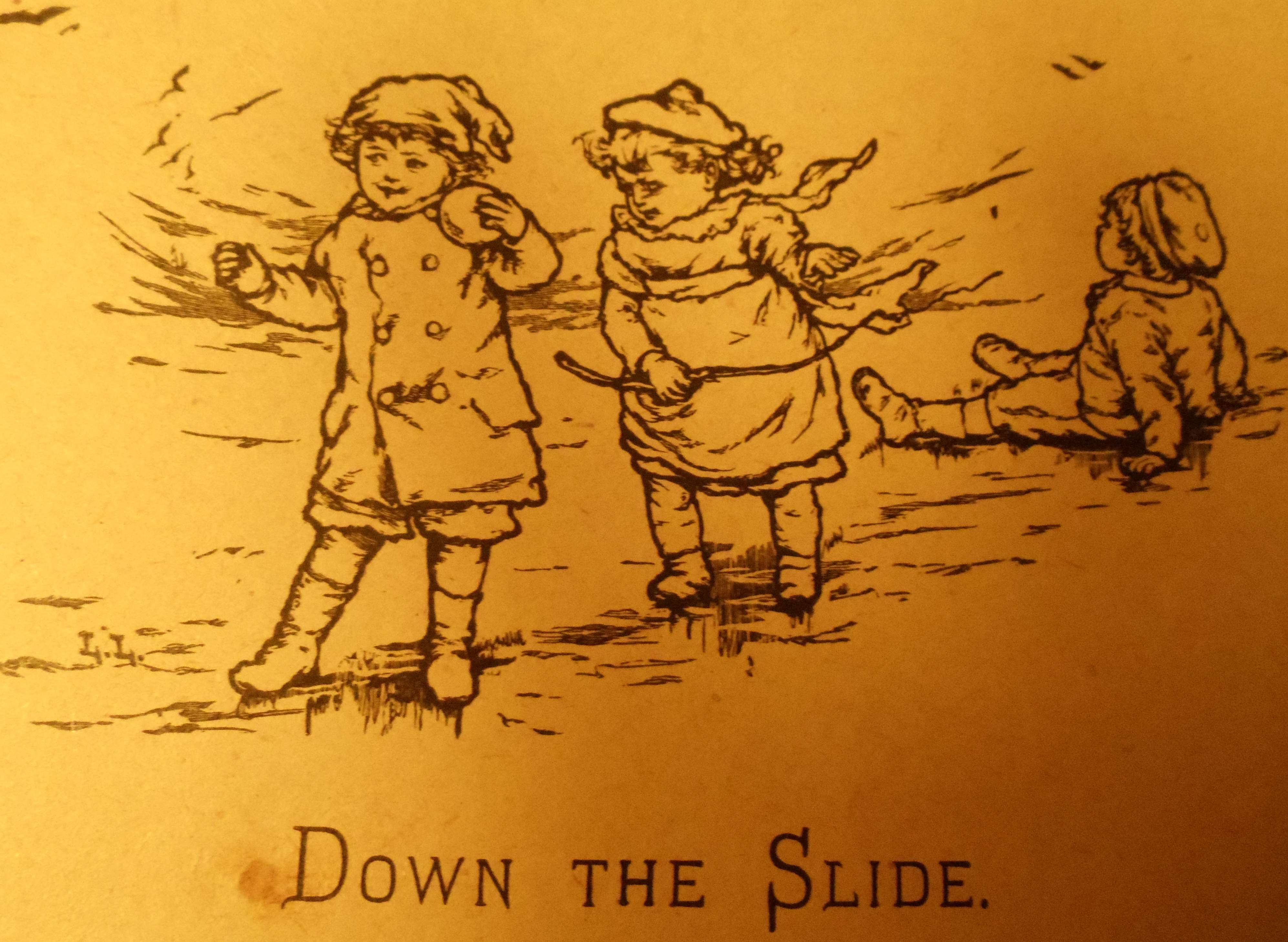
Knowing what you now know about me, you can understand why I was so thrilled when my husband brought home an entire box of antique books from his parent’s house. Dating back to the 1800s, these beauties with their embossed covers and intricate cover art and illustrations, are treasures. Here. Take a peek . . .
DSC02711
Loving children’s books as I do, I was delighted to carefully look through the charming illustrations and think about the little girl who once prized them.
DSC02696
DSC02705
DSC02704
Old books exert a strange fascination for me — their smell, their feel, their history; wondering who might have owned them, how they lived, what they felt. ~ Historical Novelist Lauren Willig
DSC02701

how to magnitude your gratitude (dude)

Standard

Photo by Vicky Lorencen

Photo by Vicky Lorencen

I love words. Wipe that shocked expression off your face, you silly. You know I do.

This week I found out the word gratitude comes from the Latin word gratia, which means grace, graciousness or gratefulness. To me, grace means receiving something I don’t deserve–it’s that open-hearted expression of forgiveness, the kindness for which I’m unqualified and the willingness to overlook my writer-related neuroses (note the plural). That’s grace to me. And I’m grateful for every little bit I get.

Besides discovering the root of the word gratitude, I also learned from the Harvard Mental Health Newsletter that expressing thanks is strongly and consistently associated with greater happiness (and they have the research to back it up). Gratitude helps us to cultivate positive emotions, relish (and notice!) good experiences, improve our health, deal with the crappy stuff and build strong relationships. KA-pow! Gratitude is powerful.

What was of particular interest to me as a writer was that the researchers at the University of California and the University of Miami used writing exercises to gauge the impact of gratefulness. For example, one group of study participants was asked to keep a log of things they were grateful for over the course of a week. A second group got to list the stuffed that bugged them as the week progressed. The 10-week study not only showed that grateful people felt more optimistic–they were more physically healthy too.

When another group was challenged to write and hand deliver a letter of gratitude to someone who had never been properly thanked for his or her kindness, participants immediately experienced a huge hike in their happiness scores. And these benefits lasted for a month. (That’s better than chocolate!)

Photo by Vicky Lorencen

Photo by Vicky Lorencen

And now [cue drum roll] two sure-fire ways to write your way to happiness and better health . . .

Okay, okay. I know what you’re thinking. This is starting to sound like an infomerical for a self-help seminar or something. Not to worry. I’m sharing these ideas because, well, we writers are not always the most healthy people–physically or emotionally. We get discouraged and depressed. We fret. We are self-critical. And we sit on our bums a lot writing. Our bods and our brains could use a boost, wouldn’t you say? So try these ideas . . . (C’mon. You can do it!)

Write. Send. Repeat. Send someone a good old-fashioned written thank you note. Not an email. Not a text. A “real” note scribed with your own sweet little grabber. Don’t wait for someone to do something nice or give you a present. Pick a person you appreciate and then write to tell them why. It’s that simple. You will feel good and they will feel great. Why, you’ll knock their stinkin’ socks off! Your words carry positive energy. (Who knows, researchers may learn they contain fiber and anti-oxidants too!) Write and send a thank you note once a month. Pick a date you’ll remember–pay-day, your birthday or whatever, and then make it a habit.

Journal Good Stuff. Start by writing down three things you’re thankful for. It can be ANYTHING–the barista made my coffee just the way I like it, I got to work on my favorite writing project this week, my allergies aren’t acting up. You can build from there. Add one more thing each week. As the weeks progress, you’ll be more mindful of the good stuff and be excited to add it to your list. Bonus benefit–because you are cataloging these positive things, you can go back and reread your list for encouragement when life feels sucky. So, there’s that.

And just so you know. I’m grateful for you. No, really I mean it. Now stop reading this silly blog and go find a pen and paper before you get distracted. You’ll thank yourself for it.

Let us be grateful to the people who make us happy; they are the charming gardeners who make our souls blossom. ~ Marcel Proust

the one thing I never think about when I’m editing

Standard

Photo by Vicky Lorencen

Photo by Vicky Lorencen

Maybe you didn’t know it (and maybe it doesn’t show), but in addition to being a writer, I’m an editor. Part of my job as a Communication Specialist is to edit other people’s work. I think about a lot of things when I’m editing, but I guarantee you there’s one thing I never think about . . .

Let me backtrack a sec. Just so you know, there are a lot of things I do think about when I’m editing a piece of non-fiction. For my job, I pour over articles, letters, brochures, ads, scripts and the like. Here are the kinds of questions I ask myself during the editing process:

Who’s the audience for this piece?
What’s the bottom line—the message—to be conveyed?
Does this truly communicate the message or is it a lot of pretty words strung together?
Is there a simpler way to say it?
Could this be tighter? Is there fluff or useless repetition or verbosity . . . (oops, now I’m doing it!)
Is this the best format for this piece? Would subheads help, for example?
Is there a flow and connection throughout?
Is the tone and language appropriate to the message and the audience?
Is there proper use of grammar and punctuation?

Quite a list, isn’t it? So, what “don’t” I think about? I do not think about the author. Hold on. I should be more specific. Maybe it sounds heartless, but I don’t think about the author’s feelings. Sure, when I’m editing, I do try to keep the author’s intent and style in mind. I don’t want to edit to the point that the piece no longer sounds like the author. But as I’m editing, the last thing I care about is the author’s feelings. It’s not even part of the equation.

Here’s what I care about: answering my list of questions above to the best of my ability so that the end product is a clean, eloquent, effective piece of communication. That’s it. I never once ask myself if it would hurt the author’s feelings if I take out an entire paragraph or reorder the piece or change silly things like utilization to a perfectly fine, simpler word like use. And even though that might sound cold, it’s truly a marvelous thing. Think about it–would you rather have your byline attached to a solid piece of writing or a so-so piece? C’mon. Let me hear you say it. Mm-hmm. I thought so.

Why am I telling on myself? I want you to remember this the next time your work is edited or you’re swirling in a vortex of editor comments. Your editor isn’t heartless. Your editor wants to make your work shine. And sometimes that means hauling out the sandblaster and pick ax. It can be painful at the time. But, baby, it’s for your own good. So, try not to take it personally. It really isn’t about you. It’s about making your work better. And what’s not to like about that?

Just don’t touch “my” work!

Editing should be, especially in the case of old writers, a counselling rather than a collaborating task. The tendency of the writer-editor to collaborate is natural, but he should say to himself, ‘How can I help this writer to say it better in his own style?’ and avoid ‘How can I show him how I would write it, if it were my piece?’ – James Thurber

the downside of being colorblind

Standard
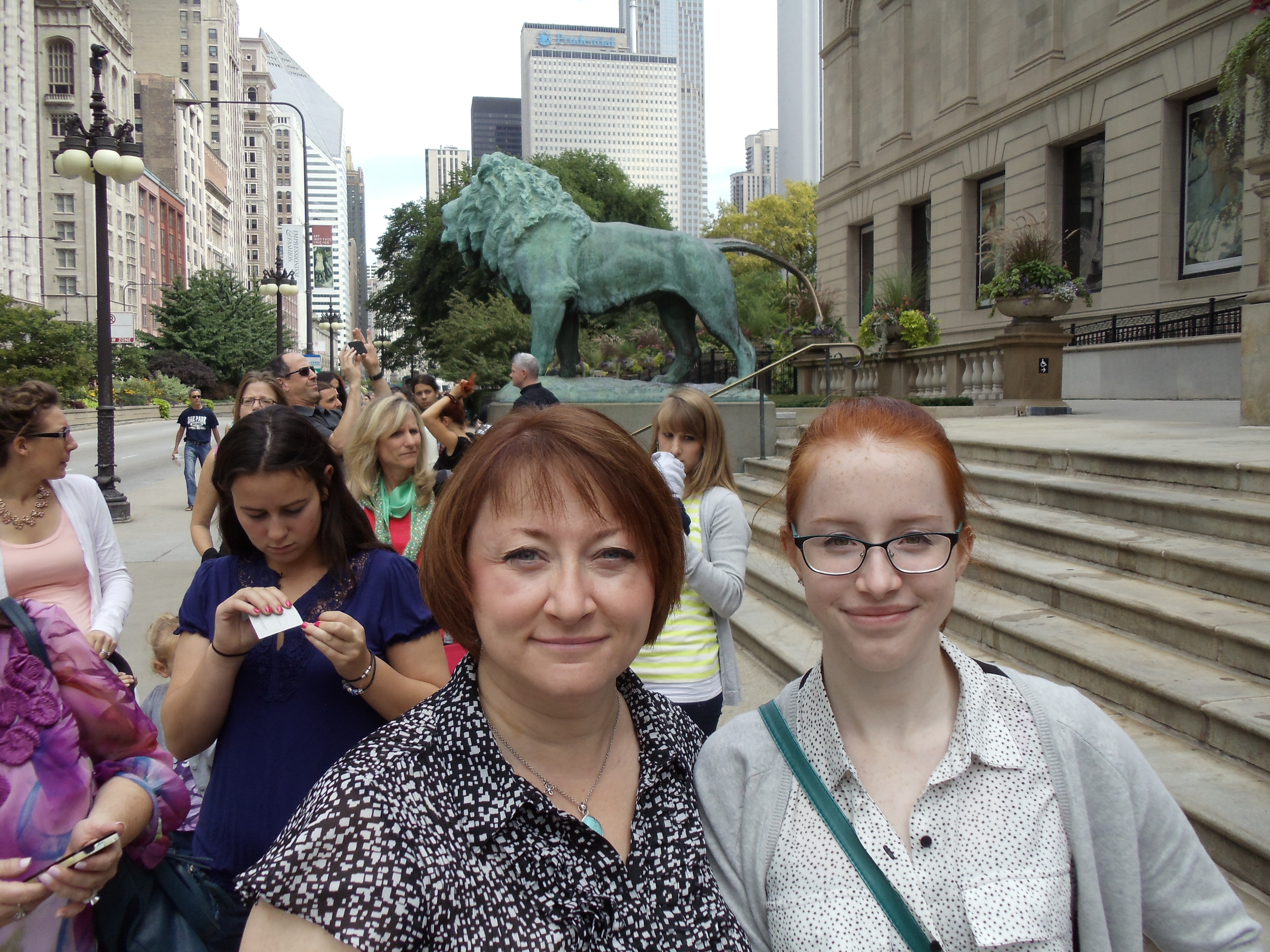
My daughter and me in Chicago

My daughter and me in Chicago

During a recent trip to Chicago, my daughter and I were walking outside the Art Institute of Chicago when she observed, “English is the language I’m hearing the least here. It’s refreshing.”

Now hold that thought, and please indulge me for a minute as I hop down a rabbit trail. (I promise it’ll make sense, eventually. Well, maybe promise is too strong a word. Let’s just say I hope it will make sense.)

When I was a kid growing up in the 1960s, I was fortunate enough to attend an interracial school. Perhaps because of the heightened racial tensions we were experiencing in American culture at the time, our teachers made a point of helping us little white kids to appreciate “colored people” and even taught us Negro spirituals like “Rock My Soul in the Bosom of Abraham.” (At the time I assumed the song referred to Abraham Lincoln!)

I recall being encouraged to understand that we are all equal and all alike inside. In my childish mind, I took that to mean, people may come in different colors, but inside we’re all the same–a white person like me. I also took it to mean that a person’s color was something I was to pretend I did not see.

Now, I’m guessing you learned better than that long before I did.

But as an adult, thankfully, I do see things–particularly people–differently. I still believe we are all equal and that as humans we share many common aspirations, insecurities and needs. But it took me longer than I’d like to admit to come around to the dangers of ignoring a person’s race, or more importantly the culture associated with it. White people like me seem particularly good at making this mistake. We act like we don’t see a person’s color or race, when of course, we do. Just like people of all races “see” others who are different from themselves. For whatever reason, we see this “not seeing” as a good thing, as if being Asian or white or hispanic or black is an unspeakable impediment to be tolerated or ignored. But a person’s racial heritage and color is not something to overlook like it’s a flaw; it’s something to be esteemed and celebrated.

And so, that brings me back to my daughter’s comment about finding it refreshing to be surrounded by different languages. (We live in a very homogeneous part of the Midwest, so while I was pleased about her observation, I wasn’t exactly surprised!) It made me think about the stories I’m creating for young readers her age and a bit younger. How often do I include a character who’s outside my white, middle class world? How can I help kids understand the importance of appreciating people inside and out?

How about you? Do you lean toward the familiar or do you intentionally branch out to create characters that reflect a broader worldview or culture or color? Let me encourage you to think of ways you can enrich a young reader’s world–or make it refreshing, as my daughter would say–by incorporating more diverse characters in your story.

Please don’t misunderstand me, I’m not asking you to change a main character’s name from Pete to Pedro, and call that “diversity.” You know better than that. I’m simply suggesting that when it makes sense, or maybe even when it doesn’t initially, consider how you can build richer worlds for your readers by word-painting with all the colors.

I promise I’ll do the same.

Thinking is the hardest work there is, which is probably the reason why so few engage in it. ~ Henry Ford

ding! ding! ding! we have a winner!

Standard

By Stephanie Stouffer

By Stephanie Stouffer

Heaping thanks to everyone who helped me celebrate Frog on a Dime’s six month anniversary by entering the super lightening prize drawing. I truly, truly appreciate your feedback and kind words!

And now, for the big reveal . . . the winner of a surprise care package filled with YA ARCs, cool office supplies and a personal note of encouragement compliments of Frog on a Dime is . . . Charlie Barshaw! Congratulations! Please provide me with your home address, Charlie, and I’ll have that package on its way to you faster than a frog hoppin’ off a dime.

Can’t wait to celebrate Frog on a Dime’s first birthday with all of you!

Oh! One more thing! Remember to be watching for a fun and intriguing interview later this month with one of my favorite debut YA authors . . . her name is . . . noop . . . not telling yet!

A winner is someone who recognizes his God-given talents, works his tail off to develop them into skills, and uses these skills to accomplish his goals. ~ Larry Bird

celebrating frog on a dime with a prize drawing

Standard

By Stephanie Stouffer

By Stephanie Stouffer


Can you believe Frog on a Dime is six months old already? Frog on a Dime exists to encourage writers, but you all encourage me too! To thank all of my visitors and faithful followers, Frog on a Dime is offering a special PRIZE DRAWING.

Here’s what you need to do: Hop on over to Frog on a Dime and leave a comment on today’s post. Please let me know what you like about Frog on a Dime, what you’d like to see more of (or less of) and/or how I can make my blog even more encouraging to you. (Sorry Facebook comments do not qualify. I love them, but they won’t count for this drawing.)

On Monday, June 3 at Noon, I will select a name at random from the folks who’ve commented . That lucky person will receive a surprise care package filled with young adult novel ARCs, cool office supplies AND an encouraging personal note from me.

What are you waiting for? Get hoppin’!

Oh! And there’s one more Frog on a Dime way to celebrate in June . . . be watching for an interview with one of my favorite debut YA authors! Can’t wait for you to meet her!

I’m not a diva. I’m a tadpole trying to be a frog. ~ Tony Braxton

three cheers for cheerleaders

Standard

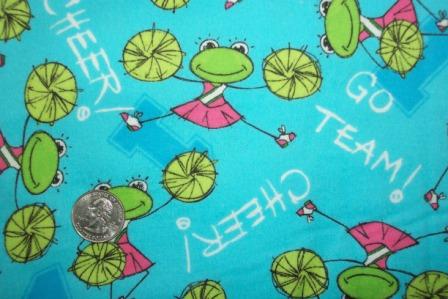
Frog fabricHere comes a shocker: I was never a cheerleader in high school (or college for that matter). I know. I know. Truly mind-boggling, isn’t it?

Truth is, I never really cared about being a cheerleader, at least not when I was younger. But now, here I am at age 50, wanting to be a cheerleader. Now, I don’t mean the teensy skirt wearing, pony tail swirling, pom pom shaking variety. I want to be an encourager. That’s really why I started “Frog on a Dime” in the first place, to be an encouragement to writers like me who could use a boost now and then (and by “now and then,” I mean most of the time!)

If anyone on this planet can appreciate the power of an encouraging word, it’s writers, wouldn’t you think?

Who in your circle of writing friends could use a word of encouragement from you? Go ahead. Make a list of your top three. I’ll wait.

1.

2.

3.

Okay, that’s a great start!

What could you say to them this week that would empower them as they pursue publication? What words would help to unstop their writers block or bolster their confidence to start fresh? You have a lot of power as a writer. Channel it. Use it to make someone’s way brighter. You know what supportive words have done for you. Pass it on.

Let me encourage you to send that text or email or handwritten note today. It’s never too late to be a cheerleader.

Our chief want is someone who will inspire us to be what we know we could be.― Ralph Waldo Emerson