Category Archives: Writing career

the one right way to find an agent

Standard
Photo by Vicky Lorencen

Photo by Vicky Lorencen

To date, there are 487 wrong ways to hunt for an agent. There is but one right way. And that, my friends, is the way that

is best for you. If you’re still finding your way to your way, and you don’t mind me meddling a bit, I’d like to pass along a few fibrous tips to help your process go more smoothly. Do not mistake me for an expert. I myself am a hunter, but I have learned a thing or three so far and I’m happy to share. M’kay, here we go . . .

Track yourself. Do identify a way to log your queries. Otherwise, you’ll be asking yourself who you asked. Such silliness that would be.

Me? Well, I have a simple three list system–but you do what works for you.

List 1: I keep a list of agents who are currently considering my query. You may want to compile more detail, but I just include the agent and agency, when I queried and when I can anticipate a response (many agents will indicate this in their submission policies). I don’t just say six weeks; I actually indicate an expiration date. No word by then? NEXT!

List 2: This is comprised of agents who are ready to move up to the first list as soon as I receive a no from an agent (or the query expires). I add to this second list of names as I discover a new possibility via FB or a friend (but only after I have run the agent through the good-fit test). Don’t just make a list of names. Do your homework first.

List 3: Sure, as you’d expect, I have a list of agents who have declined. With this, I indicate if the agent actually declined or was simply a “no response.”

Go public. Hunting for an agent and expecting not to be rejected is like walking onto a used car lot and expecting not to be hounded. Because of this, it’s scary to tell people you’re looking. I know. Trust me, I know. But here’s what I’ve learned–the more people I tell about my search, the more friends I have hunting for me. It’s rare for a week to pass without getting a tip–“Just heard Agent X is looking,” “Saw this on Twitter and thought of you,” “Have you queried Agent XYZ yet? He’d be a great fit for you.” So, don’t keep your hunt hush-hush. You don’t have to blab to the world. Simply sharing your agent pursuit with a circle of trusted comrades will more than double your search party. G’head. Do it. (And be sure to reciprocate!)
Photo by Vicky Lorencen

Photo by Vicky Lorencen

Keep moving. Can’t lie. So far, there have been a couple of rejections that have bruised a bit. But truly, and maybe I’ve developed a kind of literary immunity, but I don’t fuss much over a decline any more. It’s just part of the process. If it does hurt, I give myself a day to feel schlumpy and then I jump back on the hunt. Having that second list of pre-approved agents is the trick. To insure I have about five queries out at all times, I prepare a new query as soon as a rejection arrives. It keeps my momentum humming and prevents me from poor-me-stinating. (Poor-me-stinating is similar to procrastinating, but more pathetic looking–think Sarah McLachlan rescue animal commercial pathetic–I know. So bad.)

Now, what about you? You got any ideas you’d like to share? Please do. And happy hunting!

Beware of adviceeven this. ~ Carl Sandburg

diagnosis: chronic “stupbornness”

Standard
Art Institute of Chicago, photo by Vicky Lorencen

Art Institute of Chicago, photo by Vicky Lorencen

When you’re stupborn, you’re stupid and stubborn. I know because that’s what I am. At least that’s what I surmise. The lab tests are inconclusive, but a decade of firsthand observation cannot be ignored.

After more than ten years of writing, revising, reading, work-shopping, conference-going, networking, critique-grouping, class-taking, submitting and querying, I am still without a book contract. A smarter, less bull-headed person would have given up by now.

And why not? No one is forcing me into this pursuit. It’s self-inflicted without question. Yet, here I am peering into the shiny, giddy-go-lucky face of a new year and I am trudging ahead. I am not buoyed by hope or spurred by optimism. In fact, I feel quite hopeless. But my chronic stupbornness will not permit me to retreat or resign.


How about you?

Are you stupborn too?

You are? Oh, bless your heart. You need a cookie and a nap. But first, I’ve culled these quotes to encourage you:

There is a stubbornness about me that never can bear to be frightened at the will of others. My courage always rises at every attempt to intimidate me. ~  Jane Austen

I promise I shall never give up, and that I’ll die yelling and laughing, and that until then I’ll rush around this world I insist is holy and pull at everyone’s lapel and make them confess to me and to all. ~ Jack Kerouac

It gives me great pleasure indeed to see the stubbornness of an incorrigible nonconformist warmly acclaimed. ~ Albert Einstein

Happy New Year, my dear, sweet, stupid, stubborn friends. (And yes, yes, certainly, warm wishes to my smart friends too.)

Let’s show 2015 what we’re made of!

a gentle suggestion for literary agents

Standard
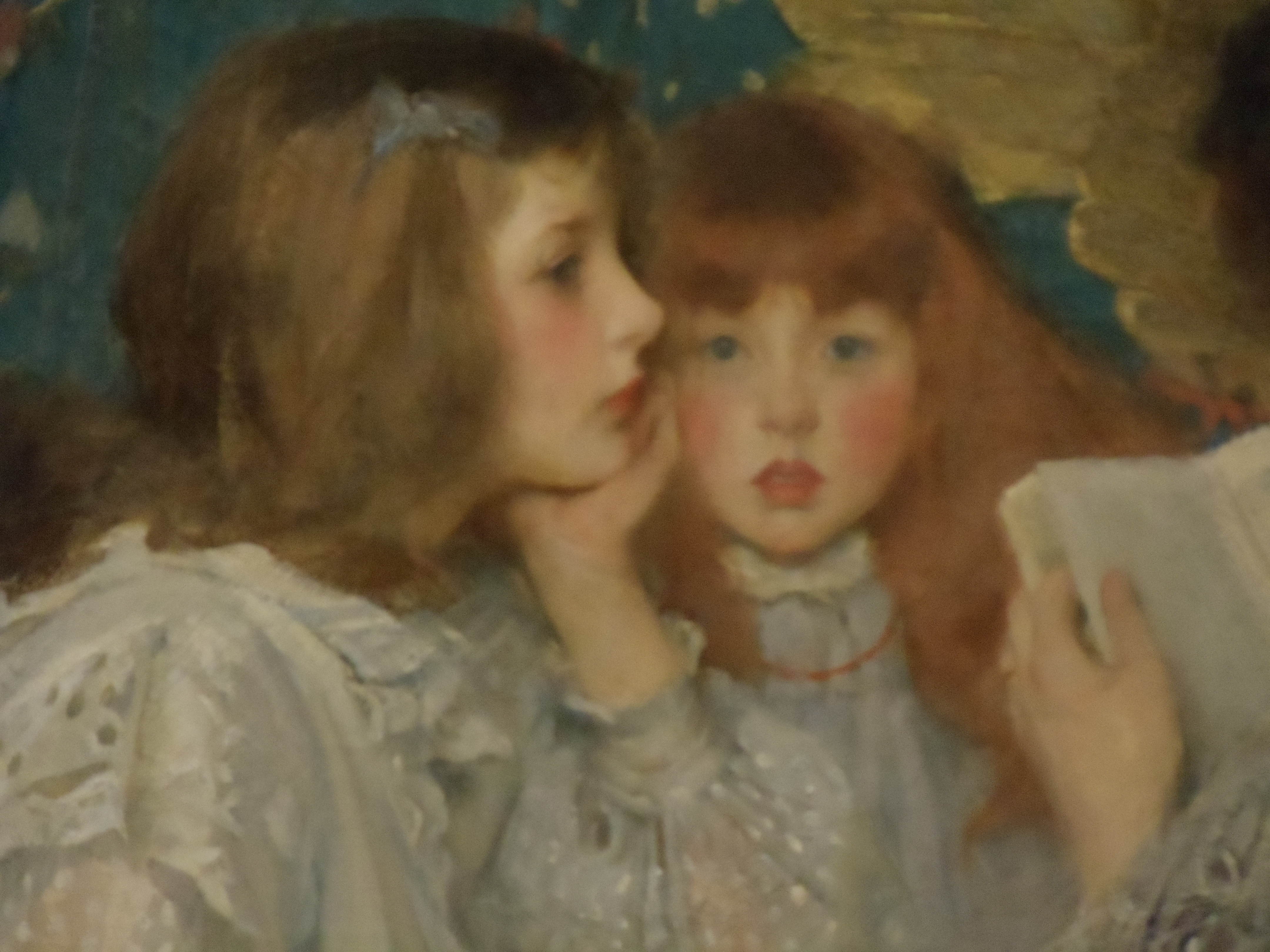
Photo by Vicky Lorencen Painting  by Sir James Jebusa Shannon, Metropolitan Museum of Art

Photo by Vicky Lorencen
Painting by Sir James Jebusa Shannon, Metropolitan Museum of Art

I’d like to ever-so-gently suggest a best practice for agents to consider. Writer friends, see what you think of this.

In case you’re not familiar, a best practice is a method or technique that has consistently shown superior results. This method can then be used to create a standard way of doing things. Best practices are identified in manufacturing, health care, agriculture and laboratory science, so why not literary representation? I mean, really, why the heck not?

I’m in the midst of my first full-on agent search and I’m experiencing a fairly new practice agents have adopted regarding query responses. In lieu a personal email or even a form rejection, agents specify the number of weeks a query will be under consideration. If no response is received in that time, the author should consider the query declined. I can understand this practice. Really, I can. Like editors, agents are incredibly busy people who need to make the most efficient use of their time. Devoting fewer hours to follow-up on queries that hold no interest equates to more time to devote to clients, networking, considering queries (and hopefully dining, showering and sleeping).

But here’s where I think this no reply practice can be refined into a best practice–I would love to see it become an industry standard to provide an automated confirmation of receipt to all email queries. Receiving this kind of response would let someone like me know, okay, the meter’s running now. She really got my query. I’ll wait six weeks per her guidelines. If there’s no reply, I’ll move on. Without such a receipt, it leaves room for nagging, festering, niggling doubt–what if she never got my email and that’s why she’s not responding. Should I check in even though she says not to? Of course, some authors do, and that just adds to the agent’s Mt. Everest of emails.

To their credit, a number of the agents I’ve queried have provided an automated response. I offer my wholehearted thanks to those agents for practicing what I hope will become a best practice.

To be fair, we writers must do our part to uphold our best practices too, such as:

  • Following an agent’s submission guidelines like we were assembling a nuclear warhead. No fudging on the details.
  • Always, always, always being polite, kind and respectful at all points of contact with an agent. Just like proper spelling and punctuation, professionalism matters.
  • Abiding by the agent’s follow-up rules—if he says to check in after 8 weeks, then do it. If he says no word from me in 6 weeks equals a pass, then it’s a pass. Don’t stand there fogging up the glass. Git along little dogie.

So, that’s it. That’s what I want to suggest–oh so gently–to agents. Thank you again to the best practice practitioners. You are appreciated.

And as for my writer friends, just because you’re cute as a button on a ladybug’s vest, I want to give you this. Go ahead. Open it. It’s helpful.

You’re welcome.

I wish to be cremated. One-tenth of my ashes shall be given to my agent, as written in our contract. ~ Groucho Marx


jump to the moon with hazel mitchell (and enter her book giveaway!)

Standard
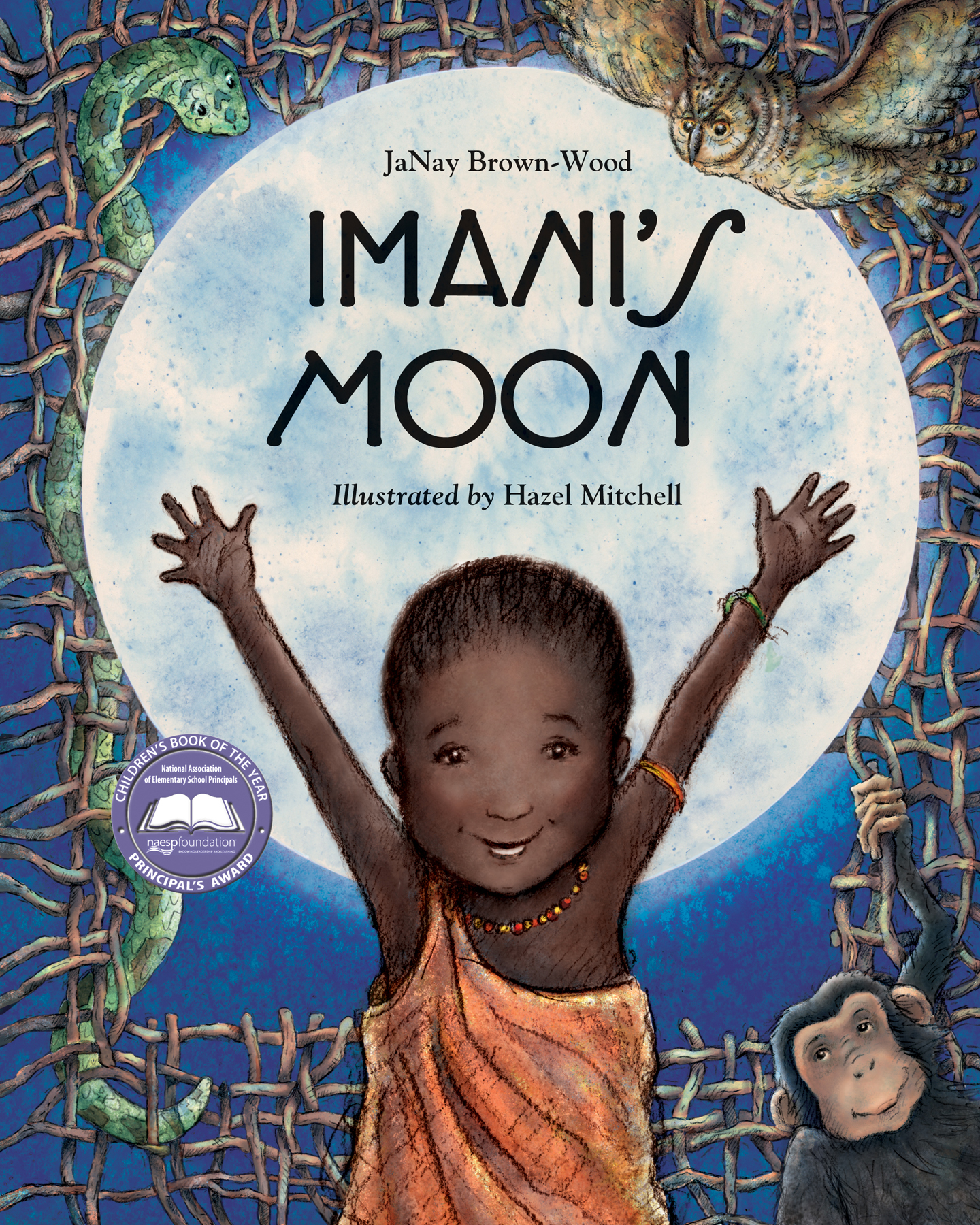
Written by  JaNay Brown-Wood and illustrated by Hazel Mitchell/Charlesbridge Publishing/ISBN 978-1-934133-57-6, Ages 6-9

Written by JaNay Brown-Wood and illustrated by Hazel Mitchell/Charlesbridge Publishing/ISBN 978-1-934133-57-6, Ages 6-9

Who isn’t mesmerized by the moon? Little Imani’s lunar fascinations go beyond enchantment to obsession as she wills herself to touch the moon. In doing so, she would prove her worth to all of the naysayers in her Maasai village who literally look down on her. Inspired by her mother’s tales of Maasai mythology, not only does Imani accomplish the feat, she proves to herself that “a challenge is only impossible until someone accomplishes it.” Imani is quite a someone.

Frog on a Dime is pleased to host the illustrator of IMANI’S MOON–the adorable Hazel Mitchell.

Hazel Mitchell is originally from England and now lives and works in Maine. When she wasn’t riding horses as a youngster she was drawing them. After attending art college in the UK, she spent several years in the Royal Navy and then worked as a graphic designer. Now she’s doing what she always dreamed of – creating books for children. Don’t you love it when dreams come true?

Welcome, welcome, Hazel. I’m excited to talk about your new book, written by JaNay Brown-Wood. What first attracted you to IMANI’S MOON? I loved the story and the fantastical elements. I also liked the idea of the setting in Africa and drawing a Maasai child! It was quite a challenge.

And now that it’s finished, what do you love most about Imani’s story? That it’s a book! (That’s always surprising.) I do love the way the colours and textures came out. Great job by Charlesbridge Publishing!

There’s been a lot of discussion lately about the need for greater diversity in children’s books. How do you think IMANI’S MOON helps to fill that gap? I think IMANI’S MOON is a great book to add to the diversity bookshelf. Imani is in her own environment. This is not a case of forcing a child of color into a story for the sake of diversity. She’s just Imani–in her culture with her trials and tribulations–just like any other child.

Hazel and her beloved friend Toby

Hazel and her beloved friend Toby

People outside children’s publishing or those new to the industry are often surprised (even alarmed) to learn that authors and illustrators do not often collaborate on a book. Can you talk about that? When I was a newbie I didn’t realize authors and illustrators worked separately either. At first, I thought the writer might feel cheated. And some do, I think. But the more you work in the industry, the more wisdom you acquire. We have editors and art directors for a reason. Having a little distance between the author and the illustrator is good. And the input from an art director and editor can be crucial. If there’s an issue with artwork, I’ve found that they’ll refer to the author when needed. It’s a team situation. Without the freedom to create, the illustrator can feel frustrated and then the art might not be as good as it could be. You can feel boxed in. The writer has his or her vision, and the illustrator needs to be able to have their vision as well.  A picture book is a collaboration; it cannot work without each part of the whole. That’s when the magic happens!

And we can see that magic in IMANI’S MOON, Hazel. It’s so lovely. Now, since Frog on a Dime exists to offer encouragement, could you tell us about what or who encourages you? Right. Oh, so many. First, all the books that I have read along the way and learned from. You can’t read enough. My peers – those I have met so far on the journey. It can be a lonesome profession and like minds are crucial to help you along. And those I have met who are further along the path and have been kind enough to mentor me. Going to conferences and workshops has been a great source of knowledge and inspiration.

Here’s your chance to be encouraging, Hazel. What’s one thing a writer or illustrator could do today to improve their craft? Create SOMETHING!!!

Love that! And what do you do when you’re “stuck” as you’re trying to create something? Make a cup of tea. Do something mindless (chores!). Work on something else. Read a book. Have a bubble bath. Talk to another creative.

I love those ideas, Hazel. I’m a big believer in the inspirational power of tea myself. Before you go, I’m curious to know what’s on the horizon for you. I have a busy year upcoming with three books I’ve illustrated – ANIMALLY from Kane Miller, WHERE DO FAIRIES GO IN WINTER? from Down East, KENYA’S ART from Charlesbridge and in 2016 by debut as author-illustrator TOBY from Candlewick Press.

How exciting! Thank you so much for visiting Frog on a Dime, Hazel. It’s been a delight getting to know you.

You can learn more about Hazel when you visit HazelMitchell.com. You’re welcome to purchase IMANI’S MOON directly from Charlesbridge.

__________________________________________

Enter a drawing to win your very own copy of IMANI’S MOON.

All you have to do is leave a comment about why you love picture books! It’s that simple.

The drawing will take place at Noon on Friday, November 7, so don’t dilly dally!

__________________________________________

Photo by Vicky Lorencen

Photo by Vicky Lorencen

And now, we’ll close with one of Hazel’s favorite quotes . . .

We are all lying in the gutter, but some of us are looking at the stars. ~  Oscar Wilde


super interview & super book giveaway

Standard

It’s my treat to welcome children’s book author and illustrator Deb Pilutti. Deb and I recently traveled to and from the SCBWI fall conference on Mackinac Island. The many miles spent on Michigan highways gave me a chance to get to know Deb better. She’s a peach. (Well, not literally. But that would make her literary abilities all the more extraordinary, now wouldn’t it?) I know you’re going to enjoy getting to know her as much as I did. And so, my Frog on a Dime friends, meet my friend Deb Pilutti . . .

Deb Pilutti

Deb Pilutti

So, Deb, when did you know you wanted to become a children’s writer?

Let’s just say I was a little dense, so it took me awhile. The signs were there. When I was younger, I loved reading more than anything. A blank book was my most prized possession. I once had Leo Lionni as a design instructor in a college workshop and I was giddy to meet him because Little Blue and Little Yellow was one of my favorite books as a child. But still, I never saw writing and illustrating for children as an option. It wasn’t until I realized I was hoarding my own children’s books, and not sharing that it was something I wanted to do.

What is it about writing for children that appeals to you versus writing for adults?

Being silly.

What’s the most encouraging thing anyone has ever said to you related to your work?

Early on, I submitted a manuscript to an editor. She said it wasn’t right for her, but that she liked the illustrations and thought that I was a good writer and invited me to submit to her again. I was not very confident about my writing at that point, so it was exactly what needed to hear.

What advice would you give to someone who has been pursuing publication for a long time, with close calls, but no contracts?

Of course, I would say to keep trying. The fact that the person has come close means that they are on the right track. But I would also recommend doing something a little different to push yourself even more. It could be devoting more time to writing, or attend a conference or workshop or online class. A few years ago, this was the case for me. I decided to spend more time writing, which meant turning down some freelance opportunities. I also spent a couple of weekends at a writing retreat with some friends.

By Deb Pilutti Christy Ottaviano Books/Henry Holt

By Deb Pilutti
Christy Ottaviano Books/Henry Holt

What would you like to share about your NEW book–details! details!

Ten Rules of Being a Superhero is published by Christy Ottaviano Books/Henry Holt is a story  about the day in the life of a Lava Boy and his superhero toy, Captain Magma.

Lava Boy is making up the rules as he and Captain Magma go along – always in the spirit of superhero play. The rules are about being super from a child’s perspective, as in “Rule No. 2: Saving the Day is messy. But everyone understands,” or “Rule No. 5: Sometimes, Superheroes make a lot of noise.” At times, the action on the page is at odds with the rule.

I had so much fun making this book! And plenty of practice too, as I have spent an incredible amount of hours (A LOT) discussing the merits of various superhero powers with my children over the years. I particularly liked painting the spreads with Lava Boy’s toys in various states of distress. I am drawn to awkward, retro toys.

And for the super-super serious portion of our interview—let’s say your moral compass went missing. What make/model of car would you steal and why?

An old Ford pick up truck from the early 60s. And while my moral compass is missing, I’d nab a really great pair of vintage cowboy boots to go with it.

Good answer! Let’s try another one–on the assumption we could find a phone booth somewhere (a museum perhaps), who is the children’s author or illustrator you’d most like to be trapped inside with?

Maira Kalman. First of all, she seems like an incredibly interesting person and I would love to chat with her. She finds beauty and poignancy in the absurd, and I think she would find it in the phone booth. Plus, I would hope we would laugh a lot.

Feeling brave? How about naming three things we’d be surprised to learn about you.

I can only think of odd things – oh well. I talk to myself a lot. I have a collection of Star Trek figurines on my desk and I have an irrational aversion to using a salad fork.

Hey, I didn’t know you were a Trekkie. Thank you so much for stopping by, Deb. Best wishes to you on your super new book!

_____________________________________________

Want to WIN YOUR VERY OWN COPY of Ten Rules of Being of Superhero?

Between now and Noon on Friday, October 24, leave a comment and answer this question–Who is your superhero?

_____________________________________________
//

Deb Pilutti feels lucky to have a job where reading, playing with toys and
watching cartoons is considered “research”. She lives in Ann Arbor,
Michigan with her husband,two kids and one nervous border collie. Deb has
worked as a graphic designer and illustrator, creating toys and products
for children and is the author and illustrator of TEN RULES OF BEING A
SUPERHERO (Ottaviano/Holt) and BEAR AND SQUIRREL ARE FRIENDS (Simon &
Schuster), which will be published in 2015. Additionally, she illustrated
THE TWELVE DAYS OF CHRISTMAS IN MICHIGAN and wrote THE CITY KID AND THE
SUBURB KID (both with Sterling).


And now, in honor of our special guest,  and in keeping with my quote-closing tradition, we’ll close with one of Deb’s favorite quotes . . .

Inspiration exists, but it has to find you working. ~ Pablo Picasso


you just never know

Standard
Photo by Vicky Lorencen

Photo by Vicky Lorencen

At the close of the SCBWI – Michigan conference on Mackinac Island, book reviewer, blogger and first grade teacher extraordinaire Ed Spicer (I know cheers will erupt at the mention of his name!) shared about one of his students. Brycen struggled with reading. He simply could not decipher those black squiggles on the page. That is, until he found a book that unlocked the magic for him. The title of the book isn’t significant to Brycen’s story. It was well reviewed and nicely illustrated, but it was not a groundbreaker or a bestseller. That didn’t matter to Brycen. He simply loved that book, and it loved him back by patiently waiting for him to decode it word-by-word until he could read it with ease. By reading it over and over and over, that story gave him the confidence to select more titles.

He’s such a book lover now that, well, why don’t I let Brycen tell you . . .

Ed Spicer shared Brycen’s story to remind authors and would-be authors that our stories make a difference regardless of critical acclaim or popularity. We may never know how one of our stories set up camp in a child’s heart and made a forever home there. And that’s okay. We just need to make the best stories we know how and trust they’ll find the hearts that need them, hearts like Brycen’s.

Feeling small or discouraged today? Keep crafting your stories with love and care. Because you just never know.

There’s so much more to a book than just the reading. ~ Maurice Sendak

got the right shoe? what’s left?

Standard
Photo by Vicky Lorencen

Photo by Vicky Lorencen

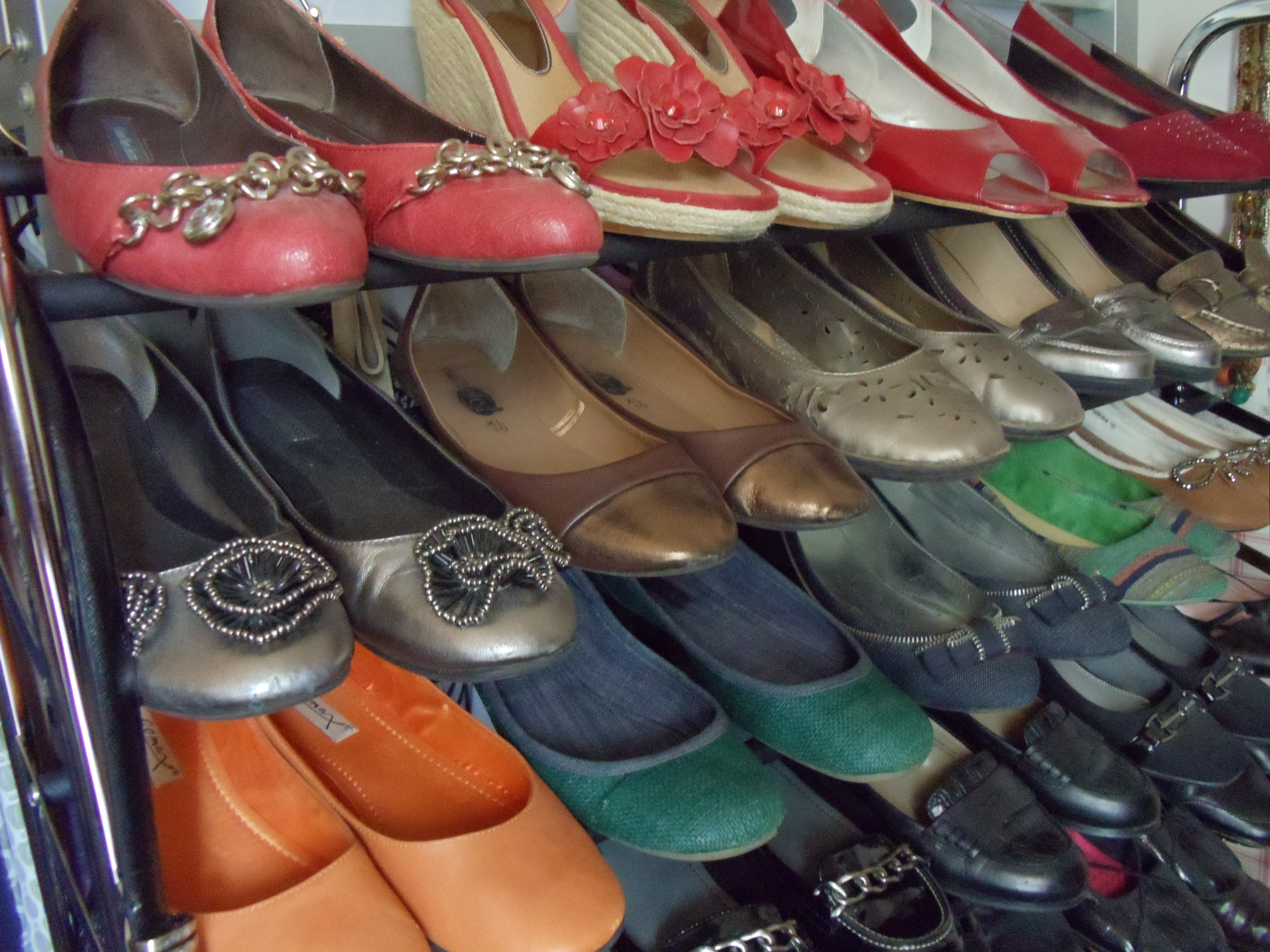
Agent shopping can be daunting. But recently, and who knows how, I connected agent-shopping with shoe-shopping, and the process is taking on new meaning (and making me want a new pair of pumps).

Here’s how I pair my shoe and agent preferences . . .

Must match. Having one fabulous flat isn’t so fab, is it? Sure, it looks pretty and fits like a dream, but unless I’m leaving a ball in a hurry, going half shoeless is no way to go. And just like shoes, I want to be paired with an agent whose genre preferences and approach match my own.

Must be the right fit. This is a biggie, isn’t it? I may have written the most charming picture book or witty MG novel, but if it  doesn’t “click” with an agent, it just doesn’t. Agents are people with tastes and personalities just like anyone else. An agent needs to be flipped over my work in order to be its best champion. Much as I’d like to, I can’t cram my size 10 dogs into a pair of six 6 mules. I can’t, and wouldn’t want to, force an agent-client relationship either.

Must compliment what’s already in my wardrobe. I wouldn’t pick a pair of chartreuse polka dot flats that only go with one outfit. Ideally, I want an agent who can embrace all of my ambitions and not just one part of my writerly “wardrobe.” (It absolutely can work on a one-genre basis, but it’s not the best option.)

Must be supportive. Oui. Oui. I know. It makes me sound like I’ve become what the French call a woman of a “certain age,” but I want shoes that not only look stylish, but feel comfy too. And while I don’t think an agent has to be my best ever friend, I do want someone who can support not only my project in progress, but encourage me as an author as well.

Must receive good reviews. This is a deal breaker category for me. I sometimes buy shoes online, but I never, ever click “Complete Order” until I’ve read customer reviews. I work in marketing and I know that while the description may be beguiling–and hopefully accurate–it doesn’t tell the whole story. I want to hear from those who have walked in those shoes. It’s no different with agents. Whenever possible, I talk with current clients of the agent–politely and discreetly of course–about their experience before I click “Send” on that shiny query letter.

Must be able to go the distance. Nothing’s worse than trudging half-way across a mall or reaching the half-mile on a hike and realizing I wore the wrong shoes. I want shoes that offer the right fit and support so that I can feel comfortable and confident. As far as agents go, I want someone who would be there for me for the long haul too.

Here’s wishing all of us in search of an agent a perfect pairing soon (and yes, maybe some new sling-backs too).

Give a girl the right shoes, and she can conquer the world. ~ Marilyn Monroe

what to do with a “too” idea

Standard

Photo by Vicky Lorencen

Photo by Vicky Lorencen


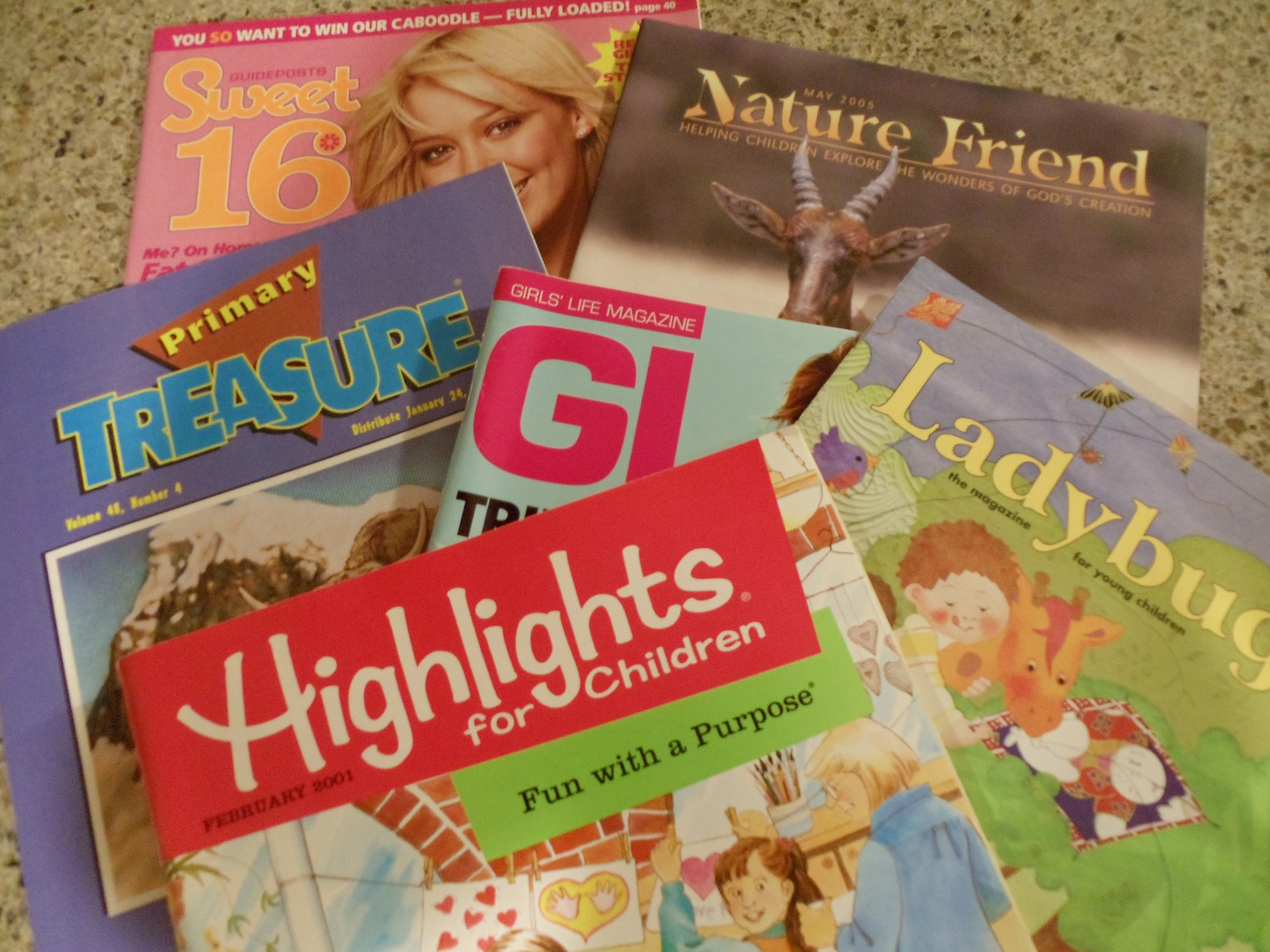
Sometimes I get a niggling, squirmy idea that’s “too” something–too much for a picture book, too little for a novel, but it’s perfect for a children’s magazine article. Magazines–remember those? With so much focus on writing book-length manuscripts, it’s easy to gloss over magazines as a great option for your “too” topics (e.g., giant centipedes, yaks in Tibet, Burmese pythons, sculpting, pillow-making, door-decorating–yes, I’ve sold articles about all of those and more).

For the uninitiated, let me take a swing at answering some common questions . . .

What are the benefits of writing for children’s magazines?
Gaining publishing credits. Wouldn’t you love a title or two (or six) to tack onto your next query letter?
Learning to work with an editor. Without exception, all of the magazine editors I’ve encountered are warm, hardworking professionals who care about craft and not simply compiling enough “stuff” to stuff the next issue. There’s real value in building that relationship.
Seeing your name in print. Now, that’s sexy.
And here’s one you might not expect–you can incorporate tidbits from your research for a non-fiction article to bring authenticity and depth to a novel or picture book. When a character in my first novel needed to do a report for school, I had him do it on the giant centipede. I already had lots of info and it suited his character beautifully (even though centipedes are so creepy!) In my second novel, my main character meets an artist who teaches him how to sculpt–much of what I know about sculpting came from a non-fiction article I wrote for Highlights, which involved interviewing a sculptor.

How do you know what magazines want and how to submit to them?
The research process is very similar to determining which publishing house you’d like to approach with your book. Magazines include submission guidelines on their web sites and by perusing the magazine itself (either online, on the newsstand, in the library or by asking for a sample), you’ll get a good idea of the types of content the magazine would welcome. As with book publishers, be sure to follow submission guidelines exactly.

Is it easier to break into the magazine market compared to books?
Well, yes, relatively speaking. Just think about it number-wise. A small imprint may publish two or three books a year. Larger houses can do far more, but they also get an exponentially higher volume of submissions. This results in stiffer competition for every available spot. Now, consider a monthly children’s magazine. Imagine the metric ton of content the editor needs–articles, stories, puzzles, crafts, recipes, jokes and games–for a single issue. I’ve been a magazine editor in the past, for two different publications, and I remember how much pressure it was to create each issue, given the amount of excellent content needed. The greater the need, the better your chances of being able to sell your work.

What if I have professional quality photos to go with my article, can I send those?
Photos can be a selling point with a non-fiction article. Let the editor know photos are available upon request. For that Highlights article I mentioned earlier, I had photos of the artist and his work, which not only enhanced the article, but my payment as well.

Can I actually make money writing for magazines?
You’d have to be extraordinarily motivated to make a steady income via magazine submission sales. The real prize, from my perspective anyway, is in the publishing credit and the experience. Payments vary widely depending on the magazine’s circulation, the type of article and its word count, and any “extras” you’re able to provide, such as photographs. Once your submission has been accepted, you’ll receive a contract which will spell out your rights and the rate you can expect. One hint–if you have a choice, opt for a magazine that pays upon acceptance versus payment upon publication.

Isn’t writing for magazines going to take away from my “real” writing?
Never, ever, ever make the mistake of thinking, it’s “just” a magazine article. It is real writing. Always send your most sparkling work. If needed, do thorough research and document your sources carefully. Your professionalism is a reflection of your ability, true, but your best writing also honors your reader who deserves your finest. Also, keep in mind, it’s not uncommon for magazine articles to be re-printed at some point. So, avoid viewing articles as “throw away” pieces that are only around a month or two. And thanks to the Internet, they can live indefinitely.

If you have other magazine-writing related questions, send me a message via my Contact Page. I’ll be glad to help if I can.

So, that’s what I do with my “too” ideas. I enjoy doing it, and I bet you will too.

In a magazine, one can get – from cover to cover – 15 to 20 different ideas about life and how to live it. ~ Maya Angelou

the importance of living dangerously

Standard

Photo by Vicky Lorencen

Photo by Vicky Lorencen

I am not a risk-taker, generally speaking. I wear my seat belt, hand sanitizer and sunscreen. Brush twice a day. Eat my burgers fully cooked and avoid stepping on sidewalk cracks.

Yes, I’ve been on the back of a motorcycle (once). I floated in the gondola of a hot air balloon, sat in the front seat of a whirling helicopter, cuddled with a Burmese python, sang an original song to hundreds while wearing a helmet with horns and even walked the streets of Chicago’s north side, but those were exceptions to my usual play-it-safe life. Oh, and once, I even used a public restroom without putting one of those paper doilies on the seat first. So, yep, I guess you could say I’ve sauntered on the wild side a time or two. (I saw you roll your eyes, by the way!)

But here’s what I know: you get what you risk for (or at the very least, you up your chances exponentially).

This spring, comedian Jim Carrey addressed the graduating class of Maharishi School of Management in Iowa. In a rare moment of transparency, Carrey shared how his father had the potential to be professional comedian, but opted to become an accountant because he thought it was the safer choice. It was not. He lost his job.

“So many of us choose our path out of fear disguised as practicality,” Carrey said. “I learned many great lessons from my father, not the least of which, was that you can fail at what you don’t want, so you might as well take a chance on doing what you love.”

Is there a polished manuscript that’s “circling the airport” because you’re afraid of rejection? Submit it.
Is there an agent you want to query? Do it.

Feel the fear, but do what you want to do anyway. You can do this. (And I will join you.)

A ship is always safe at the shore, but that is not what it is built for. ~ Albert Einstein

an open letter to all of the editors who have ever rejected my work

Standard
Photo by Vicky Lorencen

Photo by Vicky Lorencen

Dear Editors:

Please don’t wince. You may expect a briny, venom-drenched letter layered with defensive, caustic, cussy language. What I intend to do is thank you. Oh, sure, some of your letters made me full body hug the berber (the carpet, not the peoples of North Africa). And yes, Kleenex and Ghirardelli stock spikes in direct correspondence to your correspondence, but when I awake from my chocolate-induced coma, I am genuinely grateful for the work you do. Honest.

Thank you for telling me no when I sent you a manuscript that was greener than Kermit’s backside. I cross-my-heart thought it was perfect when I sent it to you. I was anxious and naïve.

Thank you for the times you took a few moments to offer feedback, an explanation or an invitation to submit again. I know you’re the definition of busy, so your extra effort meant a lot, especially when it probably caused you to shortchange your lunch break, or worse, your sleep.

Thank you for looking out for your readers. I know you have to be ultra selective. Children deserve the best. That’s what I want to give them, but if what I sent falls short, thanks for being honest instead of settling.

Thank you for upholding high standards and expecting writers like me to rise to them. You make us wrestle with our words, use our noodles, elongate our imaginations and demand more from ourselves.

Unflappably yours,

Vicky

In the end, what makes a book valuable is not the paper it’s printed on, but the thousands of hours of work by dozens of people who are dedicated to creating the best possible reading experience for you. ~ John Green