Do you see what she’s doing?
I know. I’m mortified.
Opening with a disclaimer again? Can she not jump in like a real writer?
I know. Grow some confidence already.
There’s no stopping her, is there. And those glasses. What?
I know. I can’t watch. Let’s go find a bigger mirror.
______________________
Disclaimer: Writing rules, like the English language, are tufted with exceptions. Humor writing is particularly subjective. If one of the following tips does not speak to you, just remember tips can’t talk, my little apple strudel.
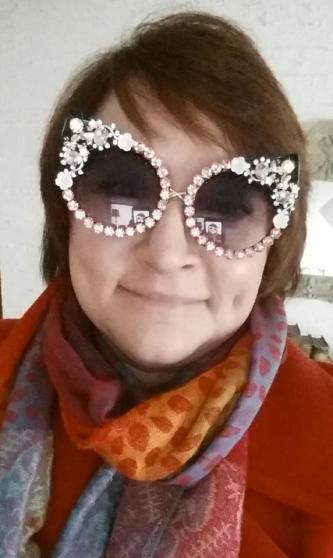
Some days you gotta bring your own sunshine.
My 12 and a half subjective take ’em or leave ’em suggestions for writing with humor:
1. Study sit coms and stand up comics.
Notice how situation comedies approach even heavy topics – infidelity, gambling addiction, shoplifting, sexual harassment, gender bias, challenges of aging and elder care, infertility, death, marital disputes, divorce/separation, socioeconomic disparity, juvenile delinquency, mood disorders. All of those were woven into episodes for The King of Queens!
Listen to stand up comedians. Catch the rhythm of jokes and notice the use of the rule of threes to get a laugh. 1 & 2 set the expectation and 3 flips it. Listen for it!
2. Give a character a funny name—but not all. Example – my current middle grade novel has a teacher named Mrs. Belcher.
3. Pace yourself. If your novel is a gut buster in the first chapter, you’ve set an expectation. If chapter two goes super serious, it feels like a bait and switch to your reader. Make sure you can keep the promise you made with chapter one. If you can’t or don’t want to keep the comic pace, take the opportunity to create an emotional equilibrium when you revise. Go from FUNNY to funny.
4. Be genuine. Just because humor adds levity to a story, it doesn’t mean you can’t include heavy issues or situations that would be meaningful to your readers. (See Point 1.)
5. Be natural. Allow humor to bubble up and feel organic to the personalities of your characters and the world you’ve created for them. For me, that means writing to amuse myself in those early drafts. I do not worry if a kid will get it or will laugh. I can keep the gems and edit out the excess later.
6. Harvest funny details from your family like unique expressions, odd names for things, unusual habits or hobbies. These goodies give your story a taste all its own.
7. Consider the pun. I love ’em, but keep in mind, they don’t always translate to an international market.
8. Play with words and make up new names for products or games. Related to this, make Urban Dictionary your new best friend. Trust me on this one.
9. Switch up the situation. Put your character in an unfamiliar situation. A “first” experience is prime territory for this.
10. Funny characters still need to be people of substance. If you have a 3-D straight man, you can’t have a flat funny man. Related thoughts . . .
- Interview characters – this is really, really, really important. Really.
- Your secondary characters can be a gold mine, so be sure to interview them too.
- Personality quirks are fun, but they must contribute to the story in some way.
11. Don’t overlook the “serious” character as a source of humor. Being earnest, having zero sense of humor and taking things literally, can be amusing in its own way.
12. Recycle your embarrassing moments, especially if it will aid your emotional health.
And a half – Laughter is carbonated holiness. ~ Ann Lamott
BTW, this post has a companion. If you enjoy humor writing, I have a funny feeling you may want to read that one too.
_____________________________
Is she done? She took like forever.
I know. But she is kind of funny.
Smelling.
I know. It’s like Windex mixed with burnt toast and apprehension.
But we still love her.
I know.

 Then, I found a detour! I studied my bullet list. I picked a few points later in the novel that I felt ready to imagine. I wrote those scenes. Wow! That felt good. As I progressed from one scene to another, in any order, I experienced the delight of forward motion. I sailed from Daunted > Encouraged > Empowered. Those good vibes are infusing me with the courage I need to draft the tricky scenes I skipped.
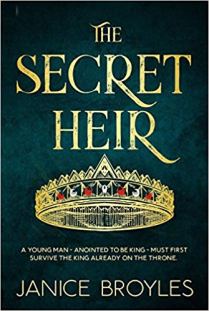 Congratulations to Pat Trattles–you are the winner of an autographed copy of a brand new, scintillating summertime read–THE SECRET HEIR—by Janice Broyles.






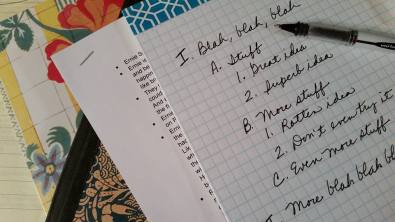
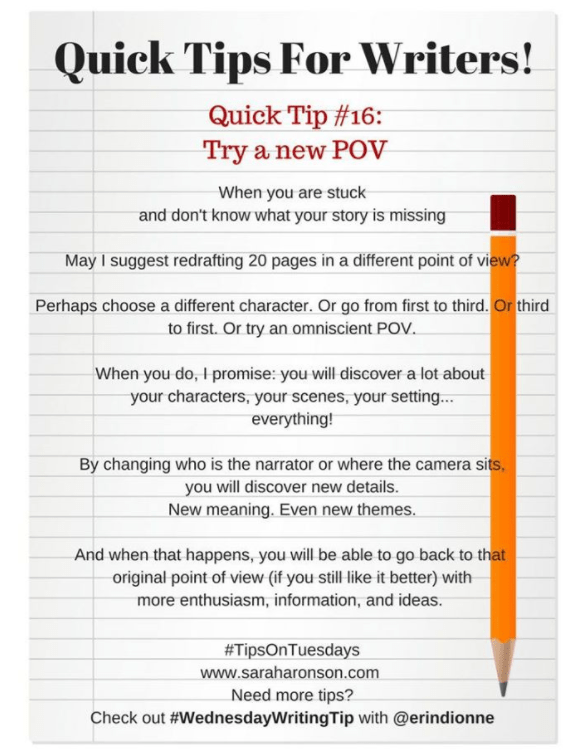
 When it’s used a verb, “retreat” is like a military term. “Our foul-breathed enemies are advancing–retreat! retreat!” But retreat can also mean to withdraw to a secluded, quiet place. To me, a writing retreat is a combo of both. For a lot of us, time is our enemy, so when we withdraw from our daily routine to devote time to craft, it’s like a retreating retreat.
 Bonus round–Ideas for creating your own retreat . . . book a hotel room for a weekend. Too pricey? Use your office at work–Saturdays are typically quiet. Ask a group of writing friends to rent a house for a few days. Will a relative be out-of-town for the weekend? Ask if they would like a house sitter. (Nothing wrong with sitting in their house to write, right?)
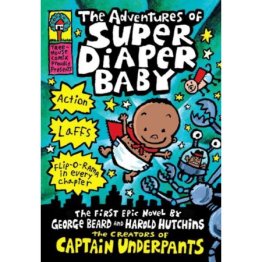 he rhyming sounds.” (Me too.)
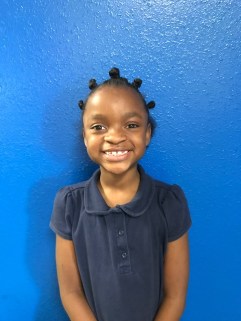
 Indiya is a writer with a tender heart for people and all living things. Her favorite animal is the serval cat. “Because they are cute!” And if she could do one thing to make the world a better place, Indiya said, “For everybody to have a home.”