Author Archives: Vicky L. Lorencen

You’ve Sold Your First Book. Now What?

Standard

We are in for a treat, my little ginger scones. Frog on a Dime is delighted to welcome a very special guest blogger–debut author extraordinaire Kris Remenar, author of GROUNDHOG’S DILEMMA.

Okay, Frog on a Dime is all yours. Take it away, my darlin’ friend!
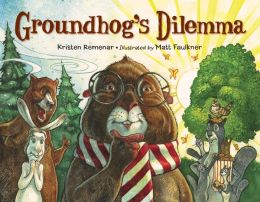
groundhogsdilemma (2)

Illustrated by Matt Faulkner

Congratulations! You sold your first manuscript! After you’ve popped the champagne to toast your sale, you might wonder – what do I do now?

Become “findable” online. You want people to know who you are, what you write, how they can buy your books, and how to contact you. Build your own website or hire a web designer. If the idea of a website makes your throat close, start with an author page on a book site like Amazon or GoodReads. Explore social media options like Facebook, Twitter, and Instagram. Trying to do everything at once is guaranteed to scramble your brains, so take it slow and do what works for you.

Set up book signings. Contact local bookstores to set up a book launch party. To broaden the marketing reach, consider creating signing events with other authors/illustrators. Research events where there will be people with a special interest in your book. Because my first picture book is called GROUNDHOG’S DILEMMA, Matt Faulkner and I signed books at the Howell Nature Center on February 2nd during their annual Groundhog Day celebration. If you’re willing to travel, see if you can sign books at conferences for groups like the ALA (American Library Association) or NCTE (National Council of Teachers of English).
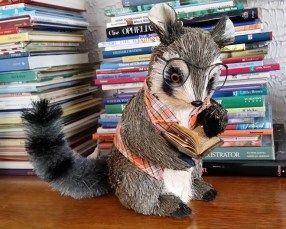
reedConsider school and library events. Check with area libraries to see if they have author events in which you can participate. For school and library events, you want to offer more than just a reading of your book. For younger ones, plan an interactive story time, and for olders, prepare a presentation about your process, or publishing, or ways your book ties into the curriculum.

Overwhelmed? Reach out to experienced authors and illustrators for advice, or ask librarians and teachers what they’ve seen that works. Hire a marketing genius like Kirsten Cappy of Curious City or an educational guru like Deb Gonzales for promotional ideas.

Literary genius Sarah Miller asked me an important question when I was frazzled making multiple promotional plans: “Will it be fun?” After working so hard to get published, don’t forget to enjoy signing the books and interacting with your readers. There is no magic formula to guarantee your bestseller status. Do what works for you, do what makes you happy, and keep writing so you can go through the whole process again soon when your next manuscript sells.

Illustrator Matt Faulkner and Author Kris Remenar

Illustrator Matt Faulkner and Author Kris Remenar

Kristen Remenar is busy promoting and hugging tightly her first picture book, GROUNDHOG’S DILEMMA (Charlesbridge, 2015, illustrated by Matt Faulkner) and her first adult book, DRAW WITH A VENGEANCE: GET EVEN IN INK AND LET KARMA HANDLE THE REST (Running Press, 2015).
wisdom from whitney of reality TV

Standard
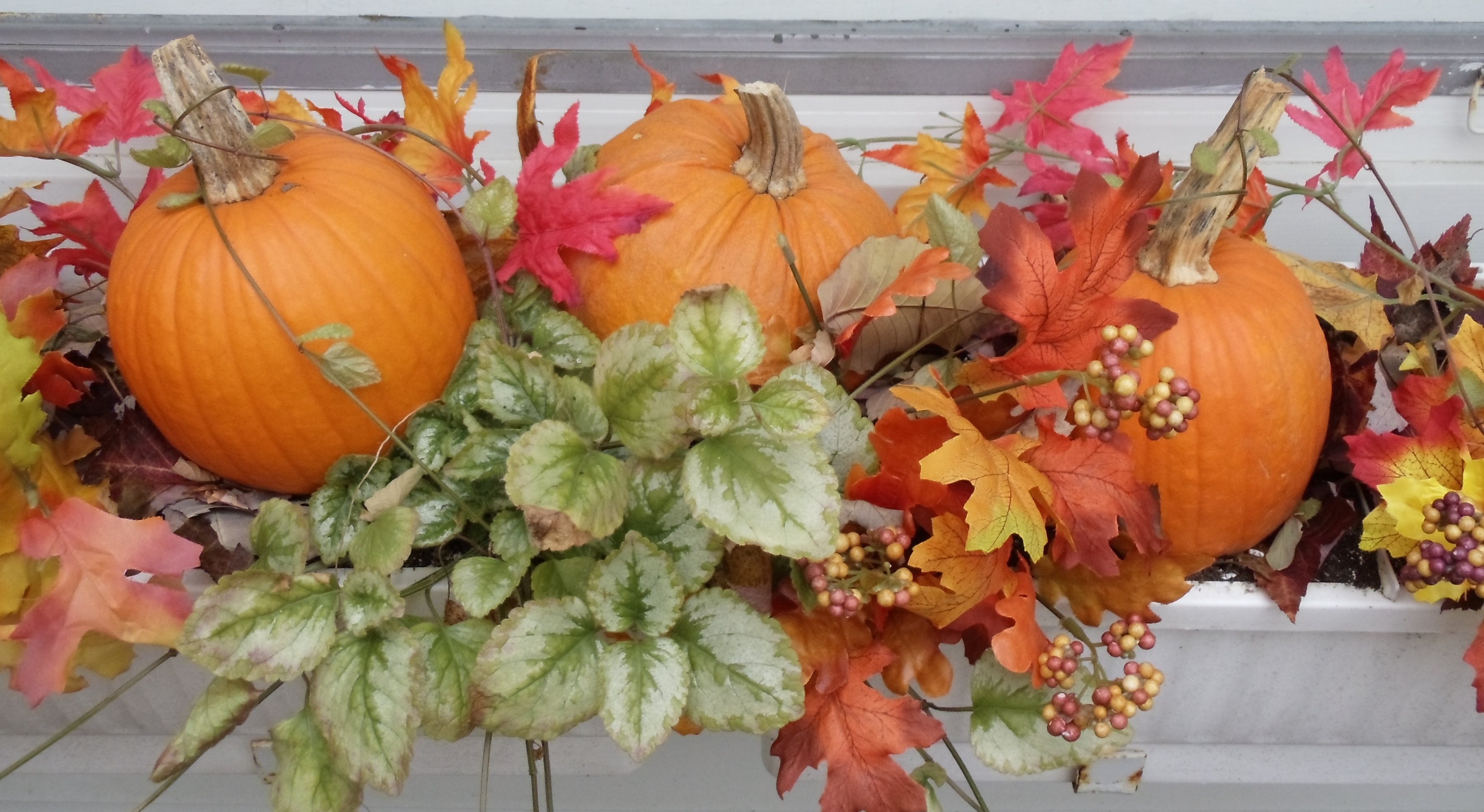
Photo and window box by Vicky Lorencen

Photo and window box by Vicky Lorencen

It’s okay. You can admit it. Reality TV is a guilty pleasure for a lot of people, and by people, I mean me, of course. But duh, it’s definitely not a go-to for deep insight. Well, not typically.

This week I caught “My Big Fat Fabulous Life.” Starring Whitney, a young, sassy, dance-loving woman, the show focuses on her challenges and triumphs while living with polycystic ovarian syndrome, which has caused Whitney to gain a dramatic amount of weight.

In this episode, after Whitney performed at the National Museum of Dance, she addressed the audience and said, Don’t wait until you have the confidence to do something that scares you. It’s doing the scary thing that gives you confidence. Maybe that seems simplistic or obvious to you, my Pumpkin Praline Muffin, but it’s borderline brilliant as far as I’m concerned. And sure, while Whitney applied her wisdom to dance, it doesn’t take much of a leap (or grand jete’) to see how it could work for writers.

I’ve long ascribed to the adage “attitude follows action.” But I’m going to adopt a new one a la Whitney–“confidence follows action.”

And now, for the confession portion of this post –writing picture books scares me. They seem so simple. And maybe they are for you. But me? Hardly! So then, my muse (Edna) keeps dealing me these story ideas she knows I can’t resist. (That chick does not know the meaning of mercy.) Well, I’ve got news for Edna. I’m going to channel my inner Whitney and write my way to confidence. So there! (Wait a sec. Maybe Edna’s in kahoots with Whitney!)

Ready to make a deposit in your confidence bank? Take action this week. G’head and do what makes your right eye twitch and your palms go clammy. You’re going to be amazing, my little Butter Pat! I’m confident of it.

The moment you doubt whether you can fly, you cease for ever to be able to do it. ~ J.M. Barrie


10 truly haunting thoughts, part II

Standard
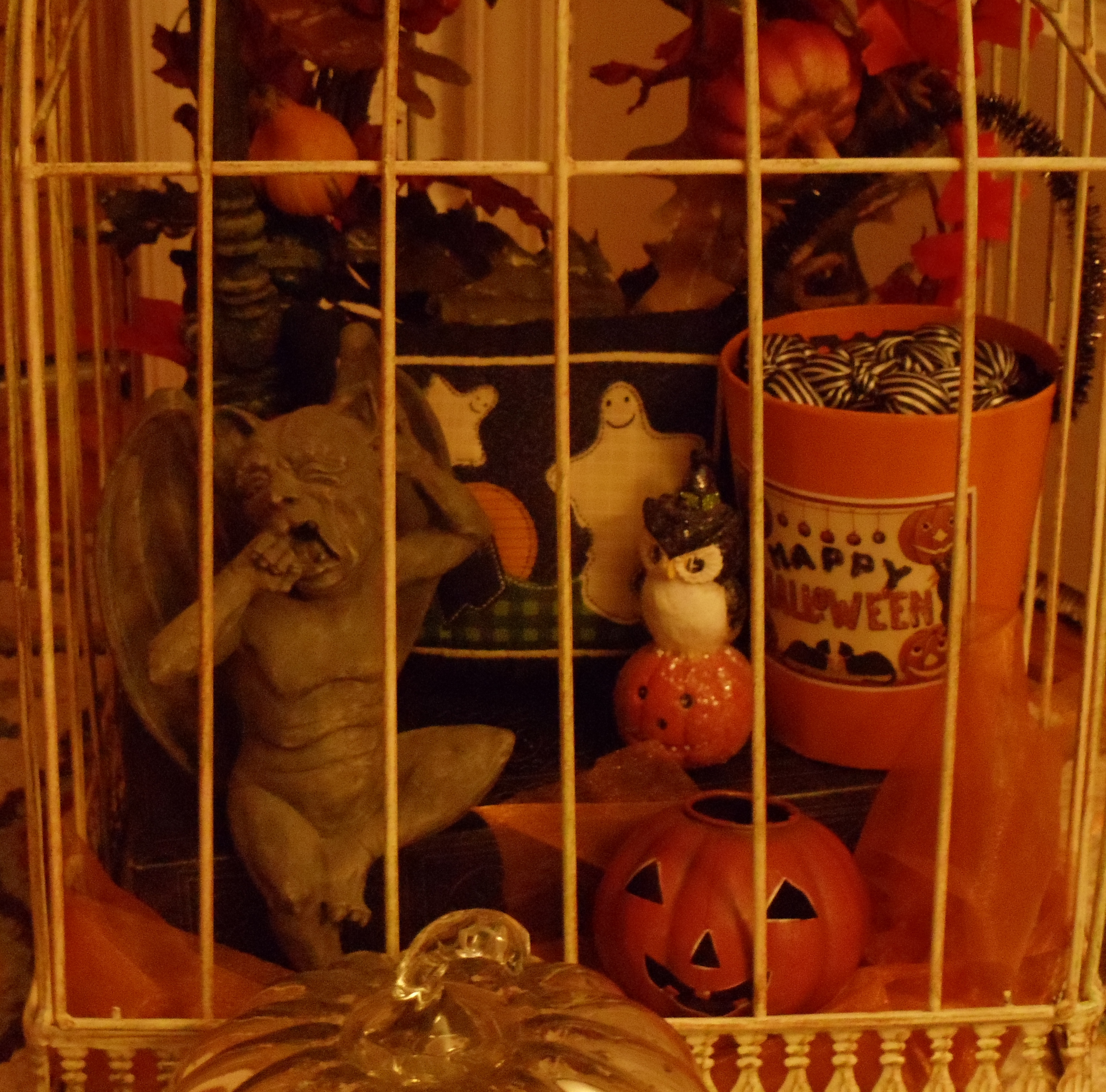
Photo and vignette by Vicky Lorencen

Photo and vignette by Vicky Lorencen

In the spirit of this spooky season, I bring you ten more frightening thoughts for writers . . .

What if . . .

  1. Your face turned bright green and you sprouted purple horns whenever you experienced writer’s block.
  2. All editors expected you to pitch new projects using interpretive dance or mime.
  3. Chocolate was only available by prescription.
  4. Rejection letters were delivered by scrolling message at the bottom of the TV screen during “The Voice.”
  5. You must do a school visit dressed in nothing but a beige body suit and a giant cowboy hat.
  6. Your cat writes a bestseller with a main character who looks/sounds/acts exactly like you–down to the last cat-observed detail.
  7. Your cat sells movie rights to this very revealing bestseller.
  8. The first movie is a blockbuster and there is immediate demand for a sequel.
  9. Your cat locks you out of the house. Reporters are on your front lawn.
  10. You’re experiencing writer’s block that day. (See number 1.)

Halloween shadows played upon the walls of the houses. In the sky the Halloween moon raced in and out of the clouds. The Halloween wind was blowing, not a blasting of wind but a right-sized swelling, falling, and gushing of wind. It was a lovely and exciting night, exactly the kind of night Halloween should be. ~ Eleanor Estes, The Witch Family

writers can learn a lot from a dummy

Standard
Collage by Vicky Lorencen

Collage by Vicky Lorencen

Back in the late 1900s, there was a clever public service announcement encouraging seatbelt use. It featured crash test dummies and the tagline “You can learn a lot from a dummy.”

Fast forward to, well, right this very minute. When I hear the word dummy, I think of a mini mock-up of a picture book, not a badass mannequin.

Some of my friends write picture books exclusively. (If you must know, I admire/loathe them all. Blast their bundles of talent! Promise not to repeat that, okay?) While, I, on the other cramped hand, write picture books illusively. Meaning, I get a won’t-go-away idea. I do my best to puzzle the idea into a manuscript and then tinker with it until it begs for mercy. Then rinse and repeat. It is never easy or pretty. But, Seuss help me,  it brings me a perverse, inexplicable delight when I finally pin that butterfly of an idea to the board. Making a dummy helps me get to that point.

Whether you and picture books are going steady or you only hang out when the mood strikes,  dummy-making may be wise for you too.

Smart dummy pointers . . .

  • Do not waste a nanosecond worrying about your inability to draw. Dummies are designed to be tools, not  objets d’art.
  • Illustrators need a dummy. Writers need a dummy. All God’s children need a dummy (more or less).
  • If your picture book word count needs a serious count down, making a dummy can really help. You can easily see which words are keepers and which are just leftovers. Aim for 500 or less–a whole heap less.
  • Dummies will also tell you if your cute or clever idea is robust and active enough to sustain a 32-page page-turner.
  • For a tip-top primer on how to make a dummy, visit this blog post from picture book author extraordinaire Tara Lazar.
  • At a recent SCBWI event, I picked up this cool trick from masterful picture book author Kelly DiPucchio. Once Kelly has a decent draft, she prints it and cuts out each line, then uses an existing 32-page picture book (any one will do) to check her pacing. She paperclips or lightly tapes her lines into the book to see how well her story fits the format. If not, she can tailor and tighten or expand.

You simply must be convinced of a dummy’s brilliance by now.

And so, my little cummerbund of cuteness, my bon vivant of brilliance, do you dare devise a dummy? Indeed, I hope you do.

Creativity is just connecting things. When you ask creative people how they did something, they feel a little guilty because they didn’t really do it, they just saw something. It seemed obvious to them after a while. That’s because they were able to connect experiences they’ve had and synthesize new things. ~ Steve Jobs

48 of the most important hours in a writer’s life

Standard
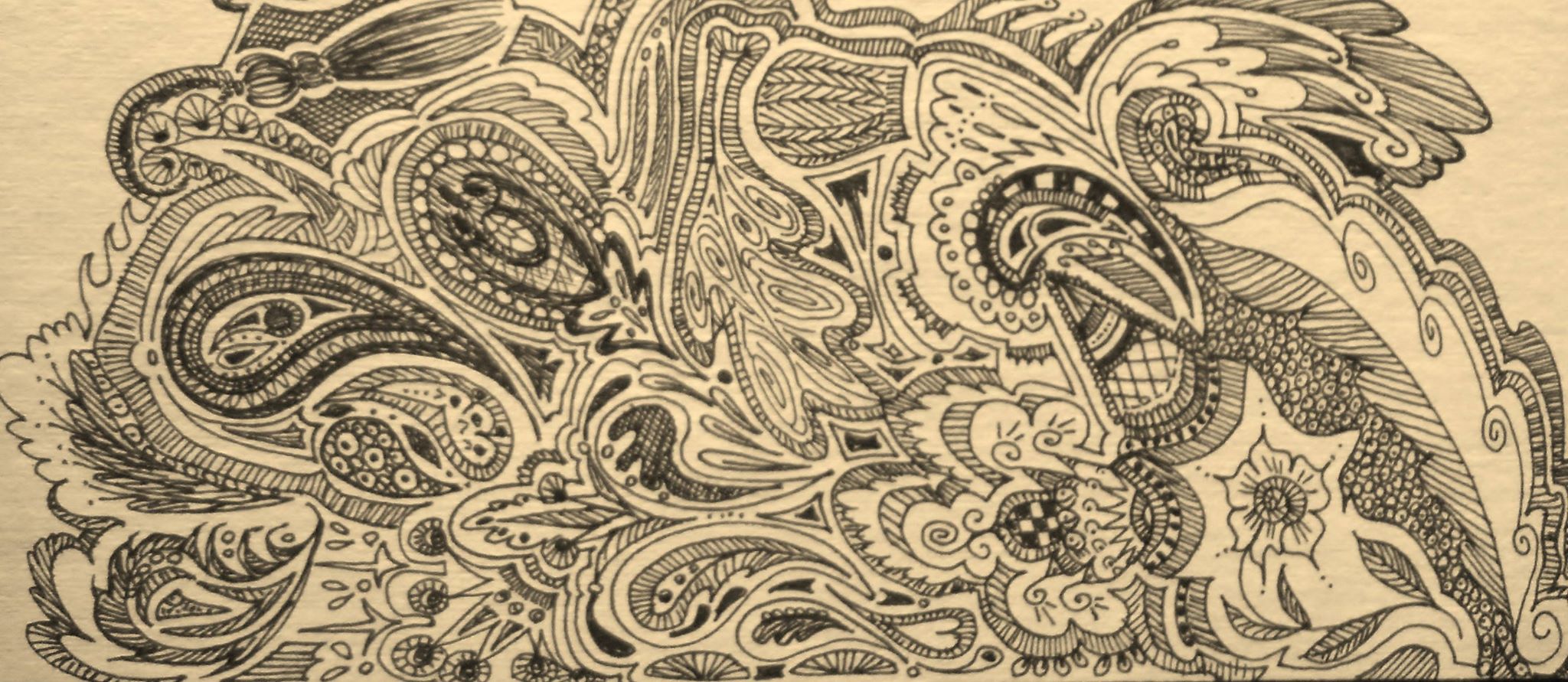
Doodle by Vicky Lorencen

Doodle by Vicky Lorencen

There are a plethora of important days in a writer’s life. (Pardon my use of plethora, but it’s such a keen word.) But, in my book, there are 48 hours that stand out from the rest. They are far from the most fun, but a lot hinges on how we choose to handle them.

Day 1 – The First 24 Hours at Ground Zero

You receive a rejection letter or slam into a serious setback. I know there are some who say it’s best to roll with it. Rejection is knit into a writer’s life and there’s no point becoming unraveled by it. I commend you for your ability to be cavalier, but I can’t manage it myself. The times I’ve tried only came back to chomp me. Stuffing the sadness caused tears to erupt at the oh-so-wrong times, so I’m better off taking 24 hours to wallow and be a wreck.

I say, allow yourself to free-fall into the velvet bean bag chair of despair. Lie on your back and let the tears collect in your ears until it sounds like the ocean. Ask a musical friend to set that sadistic, frozen-hearted rejection letter to music–in a minor key. Eat your weight in whatever sweet or salty concoction delights you. Imagine the source of your angst tethered to a termite colony wearing only plywood underpants. Get those toes curled deep in the Quicksand of Certaindoom. Hand your friends and family this form too:

I AM AN AUTHOR. I AM IN NEED OF IMMEDIATE INTERVENTION.

My name is: _________________________________________________________
(I suggest using your real name here, not your pen name. Make it easy on the first responder.)

Emergency contact: __________________________________________________ Genre type: (PB, MG, YA)
(e.g., Agent; Nearest Living Author Friend; Ben and/or Jerry)

While you are waiting for the Emergency Contact to arrive, follow these five simple steps:

Step 1 Check to make sure I’m breathing.
This step is especially if you found me face down in the area rug. Wave a Lindt truffle next to my nose to revive me.

Step 2 Do NOT apply logic.
Even small doses of logic have been known to be toxic at this point.

For example, these seemingly sensible words will NOT help:
“You’ve only tried two editors, right? You can try more.”
“Maybe it’s not you. Maybe the editor was just having an off day.” Liar.
“There’s always next year.”
“It’s not the end of the world.” Yes. Yes, it is the end of the world. The sun will not come up
tomorrow, no matter what that Annie girl says.

Step 3 Do NOT offer compliments, such as, “Well, I really liked your story.”
I don’t care. Your opinion doesn’t count right now. It will tomorrow (provided there is a tomorrow), but not now.

Step 4 If I look like I’m trying to put on a brave front, induce tears.
Force me to re-read the rejection letter out loud in front of a mirror so I can see how pitiful I look. Offer generous amounts of Kleenex.

Step 5 Apply ice cream to the site of the babbling in liberal doses.

To the rejected writer: Be sure to write your kind first responder a thank you note. That is, when you feel like writing again.

Day 2 – The Next 24 Hours at Resurrection Central

Today is the day you get on with it. Attitude follows action, so act like you’re bouncing back and you may actually believe it. (Besides, if you spent the first 24 hours wisely, you won’t want to curl back into the fetal position.) You’re now ready to stretch and stand up straight. Breathe. Wash your tear-streaked, Hershey’s Kiss encrusted mug. Pull on a fresh pair of big girl panties. Put on real I-can-be-seen-in-public clothes. Open your laptop. Pop open a file filled with half-finished projects. See what’s going on in there. It’s likely there’s something you like. Maybe even love. Type. Type again. Type some more. You see there, my little Puffalump? You’re going to be okay. I will too.

If your heart is broken, make art with the pieces. ~ Shane Koyczan

mindfulness and the writer’s mind

Standard
Photo by Vicky Lorencen

Photo by Vicky Lorencen

You’ve heard of mindfulness, yes? Okay, so maybe you’ve “heard” of it, but your understanding is a tad fuzzy. If I give you a link to a delightful introduction via the lovely Anderson Cooper, can I trust you to come back to Frog on a Dime to read the rest of this post? Oh, you know I can never deny you anything. Okay, my little gum drop, have a look.

You’re back! [Trying not to look surprised] So, this mindfulness-ness thing, now you know it’s really about being aware, about being present–about being. Am I a pro at that? Oh, you little snickerdoodle. You do know how to make me chuckle. All I know is practicing mindfulness is a good, life-enhancing thing that I believe can and will enhance my writing (and yes, yours, too).

I came up with a squatty list of ways mindfulness may do you (and me) good as a writer:

  • Mindfulness improves your ability to focus. Instead of being a mind-wandering writer, you can be present for the project at hand (literally on the keyboard).
  • Mindfulness makes you aware of life’s simplest moments–waking, showering, eating, walking, breathing. Relishing and being present in even the mundanity (sure, that’s a word) of every day enriches the way you are able to translate simple, sensual experiences into words for your readers.
  • Mindfulness may unplug writer’s block – when you’re blocked, it makes you stressed and being stressed keeps you blocked. Mindfulness helps to calm and center you so the ideas can flow. Because who among us wants to be wordstipated?

No doubt, this is not an exhaustive list. Let me hear your ideas. I am aware. I am present. I am ready to listen. I am headed to the kitchen . . . (see, I need more practice).

Want to know more about the benefits of mindfulness? Here’s some fine information from the good folks at Harvard Medical School. Enjoy.

I am a human being, not a human doing. ~ Dr. Wayne Dyer

sweetness, it’s time you came out

Standard

I know. I know you don’t waaah-NUH.

Photo by Vicky Lorencen

Photo by Vicky Lorencen

But it’s time, my sweetness.

It is time.

Come, let me take your hand. (Wow. That is cold. We’ll talk about your circulation issues later.) We both know what needs to happen, and I’m here to help you do it.

Take a deep breath and repeat after me: “I am a writer.”

I can’t hear you, my little petunia. Try a-gain. Whisper it, if that helps. “I am a writer.”

See? I knew you could say it. (Do your hands always get this clammy?) Now, eat your cookie.

Earlier this summer I was at a conference where I met dozens of new writer kin and what ghasted my flabber was that several of these real writers (not dabblers or sometimers–the actual writing writer variety–with an agent no less!) were reluctant to call themselves a writer.

Now, I know the reasons for this reluctance are legion . . .

  • I’m “pre-published,” so I feel like an imposter. Writers are people who write. Authors are writers who are published. If you write novels/picture books/articles/manuscripts or copy of any kind, you, my darlin’, are a writer. If you’ve spent years thinking about/intending to/wanting to but never really writing, then sorry, you’re probably right not to call yourself a writer. You’re more of a writer in waiting. And that’s okay too.
  • I want to avoid the inevitable questions/unwelcome comments/unsolicited advice. You don’t want to be asked, “Where can I buy your book?” (if you don’t have one yet or it’s gone out of print). You don’t want to hear, “You’re going to be rich and famous! You’re going to be the next Harry . . .” you know the rest. Don’t deny who you are because you’re shy about silly, innocent, well-meaning questions or comments. Those will morph over time, but they won’t go away. Learn to nod and smile. You’re cool. You can handle this.
  • I don’t want the pressure. You know what? Maybe it’s not a bad thing. Instead of pressure, maybe let’s think of it as motivation. Show the world you’re for reals.
  • I’m not worthy of the title. Do you need a hard pinch? Stop that silliness right now. You love words. You care about craft. You’re willing to spend hours in isolation to revise and polish. You seek feedback. You take risks. You spend dollars you could devote to shoe-shopping so you can go to workshops to improve your skills. Heck, if you work any harder, you’re going to be OVER-worthy. You can wear the title of writer with pride. You’re stone cold legit.
  • I’m afraid I’ll be asked to perform an emergency tracheotomy. No, no, lamb chop. That’s what might happen if you say you’re a doctor. Stick with writer. No incisions needed.

You recognize your reluctance. Now, acknowledge your fear. Then do the right thing anyway. Come on out. Say it loud and proud–I am a WRITER!

Enjoy that feeling of empowerment. Your bravery will be rewarded. And, yes, of course, you can have a cookie.

The real things haven’t changed. It is still best to be honest and truthful; to make the most of what we have; to be happy with simple pleasures; and have courage when things go wrong. ~ Laura Ingalls Wilder

top two tips of all time

Standard
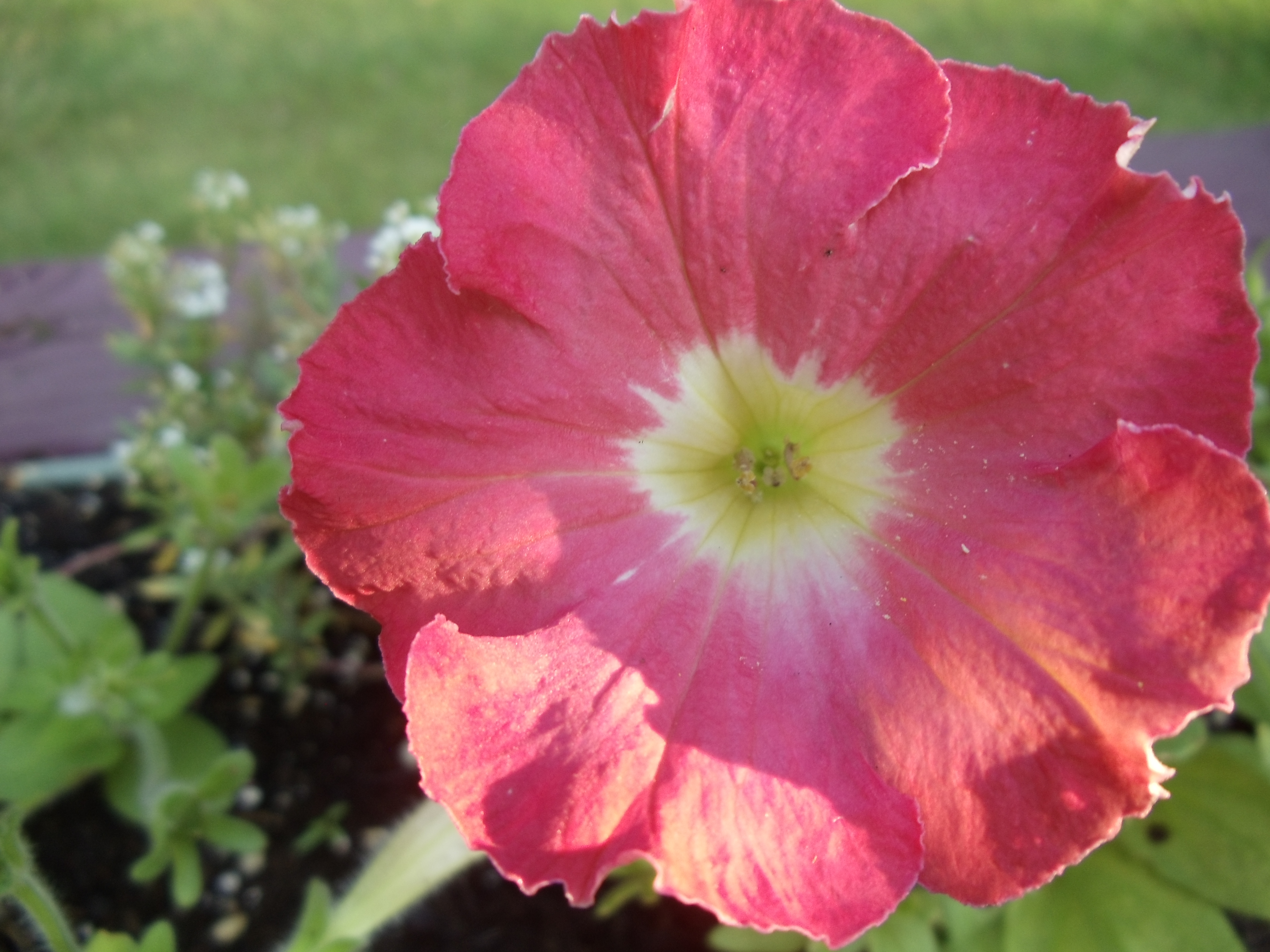
Photo by Vicky Lorencen

Phtot by Vicky Lorencen

Back in the day, I had the joy of teaching an introductory writing course. My classes were primarily filled with young adults who were brand new to college. And it wasn’t unusual for a student to tell me he was the first in his family to extend his education beyond high school. Knowing this, I felt a particular obligation to make sure my students had a strong start to their academic careers. And so, I would begin the semester by revealing my secrets for scholarly success (aside from the obvious–stellar study and organizational skills, and an ample snack stockpile).

Recently, it occurred to me these secrets may be applicable to you as well, my writing friends. (Shazam!) Since you’re the bees knees and the cat’s pajamas, I want to pass along these secrets, which I guess, won’t exactly make them secrets any more. Let’s call them my Top Two Tips of All Time. Catchy, huh?

Here we go . . .

1. Show up. Sounds obvious, but you’d be gobsmacked how many otherwise capable people stumble on this very step.

2. Ask questions. Maybe I’m making too much of this, but I see the ability to speak up and ask questions as a sign of self-respect. By asking for the information you need, you’re saying, I matter.

Let’s break this down a bit. How would a writer apply these two simple tips? Let me suggest the ways . . .

Show up . . .

For deadlines.

For writing time.

For your writing friends.

For your agent and editor.

For conferences and workshops.

Ask questions . . .

For me, that’s how most writing projects begin. I start with a character or concept and begin asking questions. Then, I draft character sketches and ask my characters questions.

When an opportunity presents itself, grill yourself with questions–Is this right for me? Is now the right time? What is motivating me to say yes? (desperation?) or no? (fear?) What do I need to ask before I can make an intelligent decision? What will this opportunity require of me? What will I gain? What will I have to give up? How will it benefit me or others?

Sometimes, this includes asking for help–I’m feeling stuck. Would you read my manuscript and give me your honest feedback? I’m feeling lonely and/or depressed, can we talk? I’m thinking of taking a class, what would you recommend? Can you tell me how to do school visits? Could you tell me where you keep your emergency supply of chocolate?

Other times, this may include asking if you can help someone else–Would you like to join our critique group? Would you like a beta reader? You seem a little down. How can I encourage you today? Who said you could break into my emergency supply of chocolate?

Thinking about your writing path–what should my next step be? Is this manuscript ready to send out? How can I know for sure? Should I query agents? How do I know who’s a good fit for me? Is it time to try a new genre? Why haven’t I won the Newbery yet?

There you have it!

Did I forget any? (See what I did there? Of course you did.)

Asking the right questions takes as much skill as giving the right answers. ~ Robert Half

your bill of writes

Standard
Photo by Vicky Lorencen

Photo by Vicky Lorencen

In the spirit of Independence Day, I present to you [cue the fife and drum please] . . .

A Writer’s Bill of Rights

You have the right to observe, but not follow trends.

You have the right to seek a second opinion.

You have the right to ask, “What if?”

You have the right to laugh at your own writing. Hey, if you’re funny, you’re funny.

You have the right to leave your beloved critique group if it’s no longer serving its purpose.

You have the right to say no when a friend of a friend asks for feedback on her 1,000-word non-fiction picture book about the history of toe jam.

You have the right not to feel guilty if someone asks for your honest opinion and doesn’t like your response (assuming you delivered the news graciously).

You have the right to try a new genre.

You have the right to read reviews, even if everyone advises against it. (And you have the right to admit it when everyone was right.)

You have the right to think a certain author or book (or movie based on that book) is lame, even if everyone else thinks it’s the greatest thing since WiFi.

You have the right to love a certain author or book even if no one else does.

You have the right to prefer printed books to e-books (or vice versa).

You have a right to take a break from writing (or the pursuit of publication) if you need to. Plus, you have the right to not feel guilty about it.

You have the right to scrap the whole darn thing and start over.

You have the right not to participate in every form of social or digital media imaginable simply for the purpose of following the crowd.

You have the right to be selective and protective of your time.

You have the right to ignore feedback if it does not ring true to you or serve your story.

You have the right to pass on an opportunity because you know it’s not right for you, even if (and especially if) you’re feeling desperate and needy.

Did I miss any rights? If so, you, my friends, have every right to add more.

Now, go exercise your freedom!

I was intelligent enough to make up my own mind. I not only had freedom of choice, I had freedom of expression. ~  Amy Tan


ten lemony fresh excuses

Standard

Who knows if he really did, but Benjamin Franklin is quoted as saying, “He that is good for making excuses is seldom good for anything else.”

Actually, it does sound like Ben, doesn’t it? He was a smart guy and all, but as a writer himself, he should have known better than to ever say such a thing about excuse-makers. Writers are brilliant at writing and at excusing themselves. But I have noticed, the excuses do tend to be a bit generic and predictable–I have writer’s block. My muse has left me. It’s too pretty to stay inside and write. I can’t find the time. My eyes are demon possessed. You’ve heard them all before.

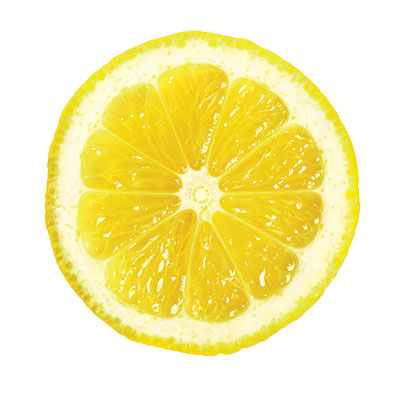
So, as my gift to you, my talented blogophiles, I am offering ten lemony fresh excuses . . .Lemon slice

  1. My characters were summoned for jury duty. Yes. All of them. Even the kids. [Fist to the sky. “Curse you, judicial process!”]
  2. I have temporary typing-amnesia. What? Use a pen and paper instead? And risk sustaining a paper cut? Madness! Besides, I’m afraid I might be penphobic.
  3. I’ve buckled under the barometric pressure.
  4. My toaster is overpopulated with crumbs. It must be thoroughly cleaned. Twice. Safety first. Say, you have a toaster, too, don’t you?
  5. I have a sudden, irresistible urge to donate an organ.
  6. I must construct a cave to age my cheese. I must. Darn it all to heck. I must.
  7. My computer is locked on 6 point Vladimir Script. I can’t read my own writing.
  8. Great Aunt [insert name here] called and she wants to tell me her life story. Today. She’s 104.
  9. I’ve been commissioned to write New Zealand a new national anthem. They need 18 stanzas. But first, I have to learn Maori.
  10. I was doing research on the agricultural practices of Native Americans in the 1500s and learned how corn was planted. Corn planting made me think of candy corn. Candy corn made me think of corn rows. Corn rows made me think of that 80s movie “10” with Bo Derek and Dudley Moore, and that made me think of another Dudley Moore movie, “Arthur,” which I love. So, I made myself some popcorn (so appropriate, right?) and watched it. By then, I kind of forgot why I was doing the research in the first place. What was the question?

Use as many of these as you like this summer, but don’t blame me (or Ben). That would be inexcusable.

I attribute my success to this – I never gave or took any excuse. ~ Florence Nightingale (Well, good for you, Flo.)