Author Archives: Vicky L. Lorencen

happy first birthday, frog on a dime!

Standard

Happy birthday to you!

Happy birthday to you!

Starting a blog–the technical part–isn’t too difficult (especially when you have patient, tech savvy friends to help you), but actually launching the thing is scary. You’re putting yourself “out there.” What if everyone yawns and says, “What else ya got?”

As I shared right from post one, my intent for “Frog on a Dime” was never [cue dramatic music] total blogosphere domination. I just wanted to offer encouragement, inspiration and maybe some amusement to my fellow children’s writers. What a delight to see your response, and to go from zero to well over 1,000 followers this year. And so, it is with joy and humility (and yes, a bit of relief–phew! you showed up!) that I am celebrating the first full year of “Frog on a Dime.”

To be sure, the growing number of followers was a pleasant surprise. But the other thing I did not expect about my first blog experience was the way you all would become such a source of encouragement to me. What a bonus!

To thank you for reading and responding, I want to offer a special 1st birthday thank you gift–a FREE manuscript critique. Typically, I need to charge $45 for a critique, but I want to make it my gift to you. All you need to do is comment on this blog by midnight (EST) on Sunday, December 15 (Frog on a Dime’s actual birthday). I will draw a name and the winner will receive a ten-page critique of the picture book, middle grade or YA manuscript of your choice during the month of January. I can’t wait to read your work and do what I can to help you to become an even stronger writer!

Now . . . time to blow out the candles and make a wish! (Bet you can’t guess what that will be. And while I’m at it, I’ll make a wish for YOU too!)

It takes a long time to become young. ~ Pablo Picasso

merry muse-mas a la enid

Standard
Photo by Vicky Lorencen

Photo by Vicky Lorencen

My muse Enid goes to visit her mother in New Hampshire for the holidays, but before she goes, Enid always leaves me one of her “love notes” to keep my writing on track while she’s off slurping egg nog and chomping chestnuts.

This year is by no means an exception. Now that I have a blog, I thought I’d share some of Enid’s holiday goodies with you.

Photo by Vicky Lorencen

Photo by Vicky Lorencen

And so, without further fuss, here are my muse Enid’s Twelve Days of Revision:

Twas the night before deadline and all through the roost not a writer was sleeping, not even Proust.

(Sorry, that was the beginning to last year’s letter.)

Okay, off we go . . .

On the Twelve Days of Revision, my muse Enid said to me:

1. Snip-snip adverbs
2. Nix “very” and “really”–they really don’t add very much!
3. Keep tags simple (she implored with a heavy sigh)
4. Pinpoint POV for consistency
5. Pluck stuffy words–simple sings
6. Poo poo “start to”—just do the thing already!
7. Invigorate verbs
8. Specify specifics–no “thing” or “it”
9. Dice up long sentences
10. Juggle sentence structure
11. Extract “that”s–that’s about enough of that!
12. Read out loud (repeat)

After each round of revision, Enid recommends letting the manuscript “rest” for at least a few weeks so I can return to it with fresh eyes. (When she’s feeling cheeky, she says I should let the draft “ferment” a bit. What a sweetheart she is.) Snarky or sweet, Enid is right about writing. I can just hear her now–“I always am, my dear. I always am.”

Merry revisions to you all!

Following my muse has worked out pretty well so far. I can’t see any reason to change the formula now. ~ Chris Van Allsburg

how to magnitude your gratitude (dude)

Standard

Photo by Vicky Lorencen

Photo by Vicky Lorencen

I love words. Wipe that shocked expression off your face, you silly. You know I do.

This week I found out the word gratitude comes from the Latin word gratia, which means grace, graciousness or gratefulness. To me, grace means receiving something I don’t deserve–it’s that open-hearted expression of forgiveness, the kindness for which I’m unqualified and the willingness to overlook my writer-related neuroses (note the plural). That’s grace to me. And I’m grateful for every little bit I get.

Besides discovering the root of the word gratitude, I also learned from the Harvard Mental Health Newsletter that expressing thanks is strongly and consistently associated with greater happiness (and they have the research to back it up). Gratitude helps us to cultivate positive emotions, relish (and notice!) good experiences, improve our health, deal with the crappy stuff and build strong relationships. KA-pow! Gratitude is powerful.

What was of particular interest to me as a writer was that the researchers at the University of California and the University of Miami used writing exercises to gauge the impact of gratefulness. For example, one group of study participants was asked to keep a log of things they were grateful for over the course of a week. A second group got to list the stuffed that bugged them as the week progressed. The 10-week study not only showed that grateful people felt more optimistic–they were more physically healthy too.

When another group was challenged to write and hand deliver a letter of gratitude to someone who had never been properly thanked for his or her kindness, participants immediately experienced a huge hike in their happiness scores. And these benefits lasted for a month. (That’s better than chocolate!)

Photo by Vicky Lorencen

Photo by Vicky Lorencen

And now [cue drum roll] two sure-fire ways to write your way to happiness and better health . . .

Okay, okay. I know what you’re thinking. This is starting to sound like an infomerical for a self-help seminar or something. Not to worry. I’m sharing these ideas because, well, we writers are not always the most healthy people–physically or emotionally. We get discouraged and depressed. We fret. We are self-critical. And we sit on our bums a lot writing. Our bods and our brains could use a boost, wouldn’t you say? So try these ideas . . . (C’mon. You can do it!)

Write. Send. Repeat. Send someone a good old-fashioned written thank you note. Not an email. Not a text. A “real” note scribed with your own sweet little grabber. Don’t wait for someone to do something nice or give you a present. Pick a person you appreciate and then write to tell them why. It’s that simple. You will feel good and they will feel great. Why, you’ll knock their stinkin’ socks off! Your words carry positive energy. (Who knows, researchers may learn they contain fiber and anti-oxidants too!) Write and send a thank you note once a month. Pick a date you’ll remember–pay-day, your birthday or whatever, and then make it a habit.

Journal Good Stuff. Start by writing down three things you’re thankful for. It can be ANYTHING–the barista made my coffee just the way I like it, I got to work on my favorite writing project this week, my allergies aren’t acting up. You can build from there. Add one more thing each week. As the weeks progress, you’ll be more mindful of the good stuff and be excited to add it to your list. Bonus benefit–because you are cataloging these positive things, you can go back and reread your list for encouragement when life feels sucky. So, there’s that.

And just so you know. I’m grateful for you. No, really I mean it. Now stop reading this silly blog and go find a pen and paper before you get distracted. You’ll thank yourself for it.

Let us be grateful to the people who make us happy; they are the charming gardeners who make our souls blossom. ~ Marcel Proust

editors are awestruck by what?

Standard

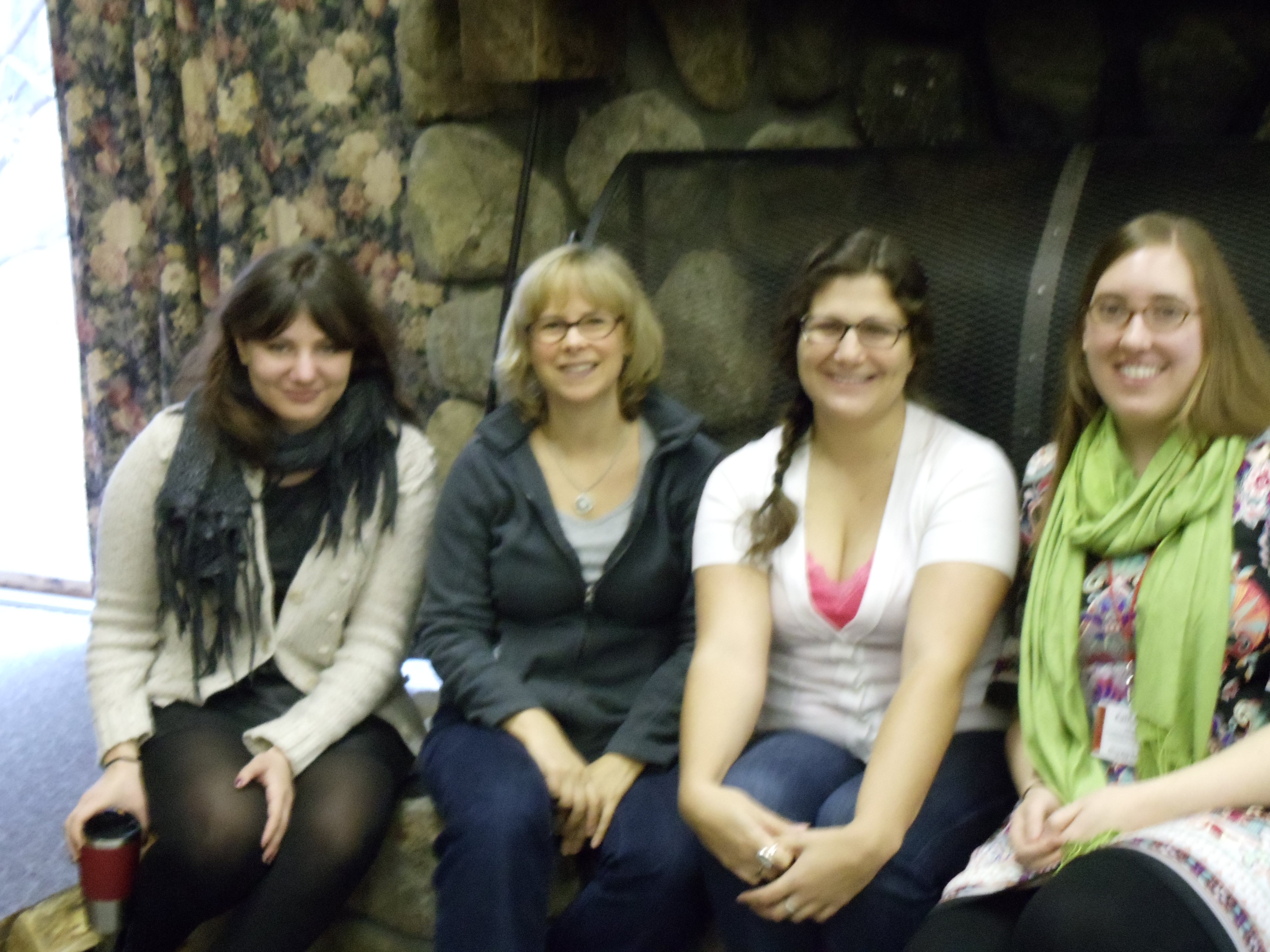
Fabulous editors/presenters-- Mallory Kass, Scholastic; Kathy Dawson, Kathy Dawson Books; Aubrey Poole, Sourcebooks; Katherine Jacobs, Roaring Book Press

Fabulous editors/presenters–
Mallory Kass, Scholastic;
Kathy Dawson, Kathy Dawson Books; Aubrey Poole, Sourcebooks; Katherine Jacobs, Roaring Book Press


I was shocked when I heard it. I mean, editors are the ones with all the power, right? They can choose to champion a manuscript or say pass. What leaves these powerful people awestruck?

This weekend I had the pleasure of participating in the Falling Leaves retreat in Silver Bay, NY, hosted by the SCBWI – Eastern NY chapter.

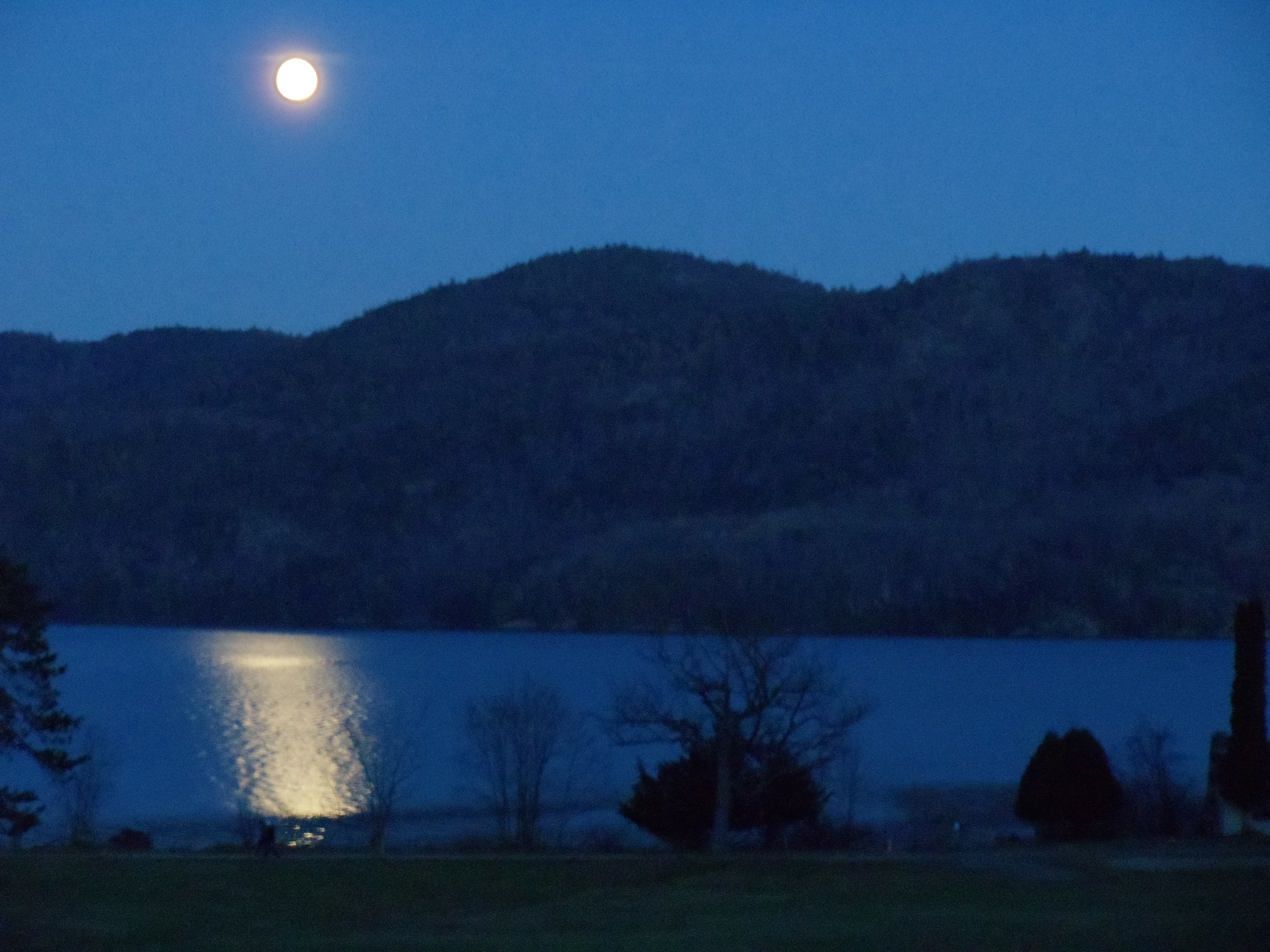
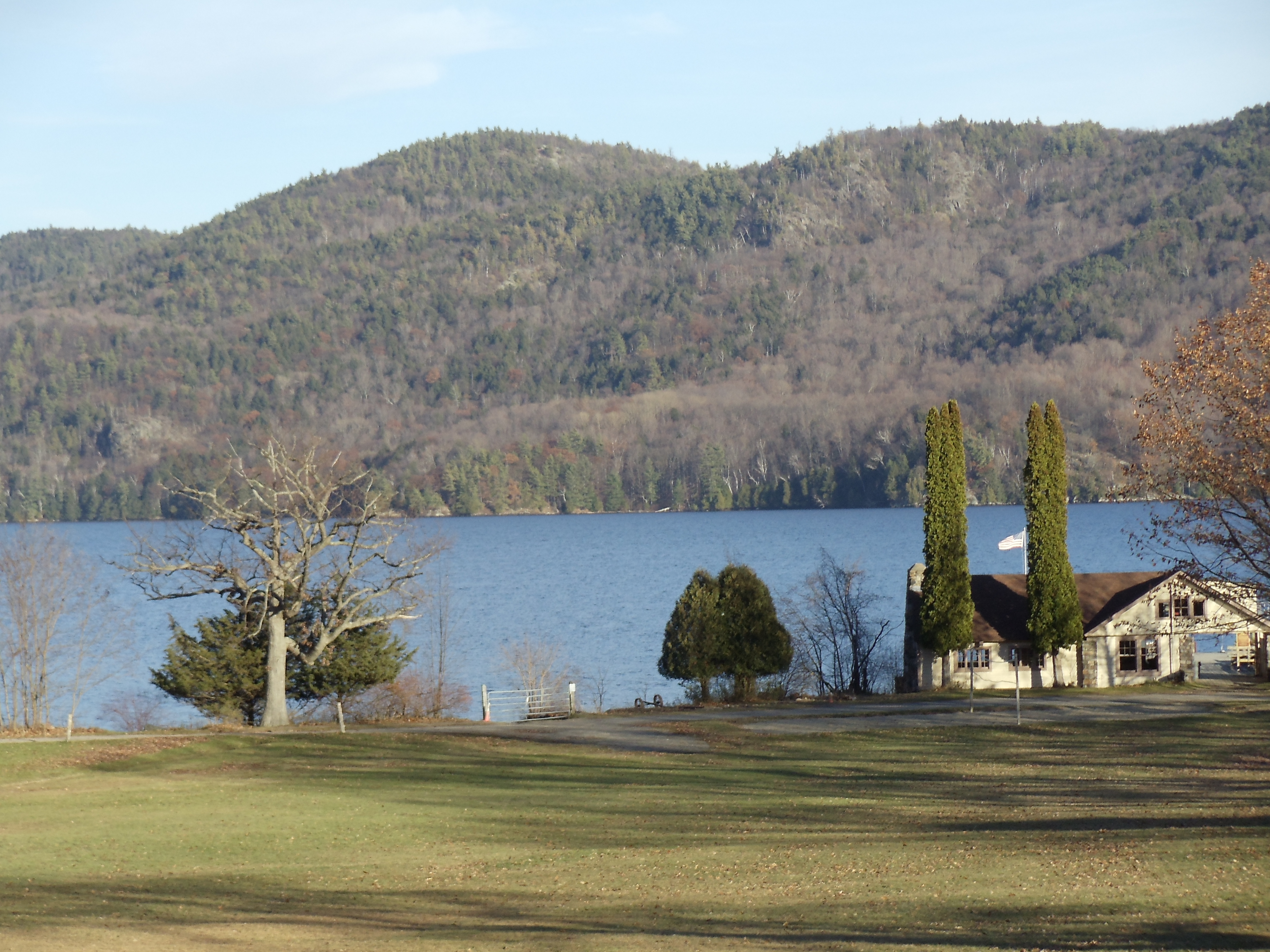
Moon over Lake George in Silver Bay, NY

Moon over Lake George

Over the course of the weekend we were treated to interactive presentations by five warm, wise editors who challenged, enlightened and encouraged us. During the final talk, Scholastic Press editor Mallory Kass made an impromptu comment that gave me pause.

Mallory said, “We are in awe of what you do. We love story and you’re the ones who create them.”

Hold on. Editors are awestruck by who?

Mallory’s table-turner made my heart skip a beat. Most of us are amazed by what editors can do–and I’m not just talking about acquiring manuscripts. We appreciate an editor’s extraordinary ability to take a great story and transform it into a dazzling published work. Editors make us look good. Thinking about the way editors see us as writers made me feel empowered and pleased.

If you surround yourself with other children’s writers via your critique group, retreats, Facebook, blogs . . . it can be easy to forget that not everyone does what we do. Think about it. How many people do you know in your “outside” life–at work, at church, at the gym or even in your whole city, who are actively pursuing a writing life? I know writers aren’t always easy to spot. We don’t go around with a scarlet W on our chests (thank goodness!), but I’m guessing, even if there are some “underground writers” in your area, they’re still a tiny group.

So, don’t forget among the writing, revising, hair pulling, submitting, cussing and nail biting that you’re doing something awe-inspiring.

Editors think so. You should too.

Silver Bay, Adirondack Mountains in NY

Silver Bay, Adirondack Mountains in NY

Look at people for an example, but then make sure to do things your way. Surround yourself with positive people. ~ Queen Latifah

Silver Bay YMCA on Lake George

Silver Bay YMCA on Lake George

right on cue . . . the pre-event meltdown

Standard

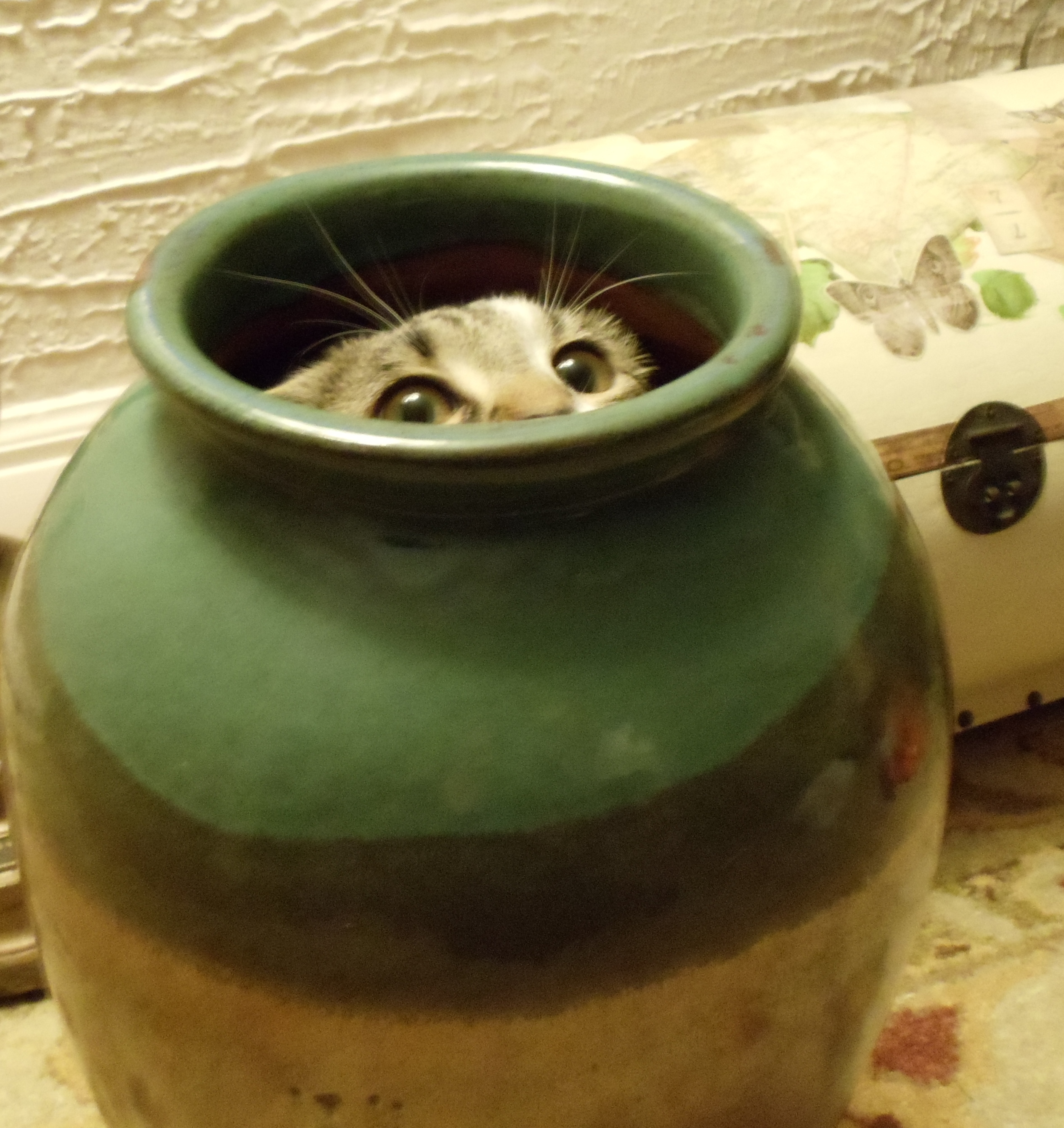
Finn the Kitten relates Photo by Vicky Lorencen

Finn the Kitten relates
Photo by Vicky Lorencen

.
Freak out. Meltdown. Keyed up. Pick a label. Doesn’t matter. It’s here–the pre-event emotional mixing bowl of jitters, doubt and insecurity, with just a pinch of dread. Holy synopsis, it’s the night before school starts all over again.

Seems any time I’m heading for a writing event—a conference, retreat, class, workshop or seminar, all of my irrational thoughts tap into their stash of steroids and pump themselves up to Library of Congress sized proportions. They tell me lie after lie about myself and my abilities (or lack thereof) until I am left feeling unworthy, talentless and ill-equipped. Maybe even a little gassy.

Why am I telling you all of this? You never feel this way. You approach every new opportunity with the confidence of a peacock.

Um, don’t you?

If there is a sliver of a chance you can relate, allow me to share how I fill the holes in my perforated confidence (aside from the obligatory (and liberal) doses of chocolate).

Phone a friend (email works too). I have some dear, patient friends who know how to bolster my saggy self-confidence. Having writers for friends can be especially beneficial at low points like these—they not only know what to say—they say it so well!

Be prepared. Doing my homework or polishing my manuscript till it sparkles (with the help of my clean-up crew, aka, critique group) helps me know I’ll be sharing my best.

Remind myself I’m in a big boat. Chances are, at any given event, there are lots of other people battling the same feelings I am (more or less on the 1 to 10 freak out scale). Feeling nervous isn’t a crime. Feelings ain’t good or bad. They just is.

Practice what I push. When my teenage daughter is reluctant to do something because she’s scared, I tell her to be brave. Being brave doesn’t mean you’re not afraid. Being brave is being afraid, but doing it anyway.

Reconnect to purpose. Why the heck am I putting myself through this anyway? Reflecting on the exceptional, encouraging experiences I’ve had at past conferences, and the amazing people I’ve met along the way helps me to remember it’s going to be worthwhile.

Shift my focus. Instead of thinking about myself, I will intentionally focus on the others and how I can make them feel at ease.

Impress less. Sometimes I forget to remind myself to remember this one. As I shared in an earlier blog post, I still cringe when I think about some of my behavior at my very first conference. I was so intent on fitting in and making sure people knew that I knew what they knew, that I know I must have been a pain in the bookend. Since then I’ve found that I learn a lot more when I relax and come ready to absorb not impress.

Next weekend I’ll be putting my tactics to the test. Be watching for a progress report!

I’m good enough. I’m smart enough. And doggone it, people like me. ~ Stuart Smalley, SNL 2010

You is good. You is kind. You is important. ~ Aibileen from The Help by Kathryn Stockett

my first (and probably only) controversial post

Standard

Photo by Vicky Lorencen

Photo by Vicky Lorencen

When I started pursuing publication a decade ago, I was strongly advised against self-publishing. I was told editors liked to find debut authors. Self-publishing would mean I wasn’t a book virgin any more. Times and opinions have changed. But mine hasn’t. I may eat my word some day, but I never intend to do a “selfie” when it comes to publishing.

Now, I’m well aware that like most things associated with publishing, there are always, always exceptions. You and I can both name novels like Christoper Paolini’s Eragon that were self-published, that were later acquired by what I’ll call a traditional publishing house, resulting in financial gain and critical acclaim. But those books are rare. We can agree on that, can’t we? (And I think it’s worth mentioning, it’s very likely that Eragon and others like it were “re-edited and polished” after the publisher bought the self-published version.)

If you’ve self-published, I’m not here to make you feel bad. I’m sure you put a lot of thought into your decision, did your homework and understood up front how much work it was going to be to wear a stack of hats as author, publisher, sales agent and promoter. I genuinely hope you’re glad about your decision and that it’s bringing you the satisfaction and success you were seeking. I really mean that.

But let’s say you’re not published yet, and you just want to exhale. You’re fed up with submitting and putting yourself out there, only to feel like you can’t get traction. Self-publishing sounds like an attractive option. Maybe. And it’s true the quality of self-published books has been elevated substantially over the last decade. But I’m sad to say I can still spot a self-published picture book long before I’ve reached the bookstore shelf. Maybe the author is proud of her work or maybe she is simply relieved to have a book out (such as it is). Is that what you want–relief?

Let me encourage you to read wise author Darcy Pattison’s insightful blog post Out There: The Wrong Goal of Self-Publishing. Think of Darcy like a master chef. Please gobble up her food for thought and digest her message.

See, I don’t think self-publishing is inherently evil (not even close!) or that it’s necessarily a cop-out or a short cut. But I think it can be if you’re doing it for the wrong reasons. Your work deserves the best you can give it. By that I mean, it deserves the benefit of a professional editor and the perks of a publishing house. Most of all, children deserve only the very best. Does that mean that traditional publishers only produce stellar works? Hardly. But aren’t the chances for success exponentially better? I think so.

Let me encourage you to write your best and to do the best by your work, whatever you decide that to be. I’ll do the same. Cross my heart and pinky swear.

Phew. Now let’s go eat some chocolate.

You should always be well and bright, for so you do your best work; and you have so much beautiful work to do. The world needs it, and you must give it! ~ Marie Corelli

the high price of giving up

Standard
Photo by Vicky Lorencen

Photo by Vicky Lorencen

.

Have you ever wanted to quit on a dream? I have. I suspect we all have. Dreams are easy to carry when they are fresh and so are we. But they can feel burdensome once the real work begins. Little wonder we want to say “enough”!

Recently, at least two of my writing friends wondered if they should loosen their grip on their dreams and let go. Can you relate? Before you make that decision, may I offer some things to think about?

Will your life be better for giving up–will you feel free to pursue other things–or will you miss having a dream to chase?

Can you live with the wonderings and the what ifs–I wonder what would have happened if I’d stuck with it just one more year . . . sigh.

How will others be influenced by your decision to let go? Now, typically, when I’ve asked myself that question, my mind has automatically gone to the many, many friends who have been my cheerleaders, mentors and shoulders to cry on . . . what would it do to them if I said enough is enough? For certain, they would still love me. They’d understand too. Some might even envy me for taking such a bold step. But mostly, I would feel like I’d let them down. The same goes for writers I’ve tried to encourage along the way. If I quit, would it make them question?

But only last week, I realized I’d be letting down more than my writing friends. My teenage daughter told me, out of the blue, how much she admired me for having a dream and for sticking with it and having perseverance. Wow. I had no idea the ripples of my dream went out that far.

And so, for me anyway, quitting isn’t an option. I’m too far out in the ocean, too deep in the jungle or too far out in space (choose your metaphor!) to turn back now. And I’m glad to know you will be sticking with it with me.

When you get into a tight place and everything goes against you, till it seems as though you could not hang on a minute longer, never give up then, for that is just the place and time that the tide will turn.
~ Harriet Beecher Stowe

dealing with distractio . . . oh, look a pumpkin!

Standard

DSC02086My train of thought tends to run, not on traditional click clack track, but something more akin to a corkscrew roller coaster, swooshing down tunnels and circling back on itself to the point of distraction. (Does your choo choo drive you cuckoo too?) But it’s not only in my brain, I have external attention snatchers too. I’ve got innies and outies!

See, I used to think all of my distractions were primarily outies–you know, phone calls, people, social media, the refrigerator . . . and I fantasized about escaping to a little cabin all by myself. What bliss to sit alone with my thoughts and focus solely on my writing.

A few years ago I had such a fanciful opportunity thanks to the Highlights Foundation. There I was in a darling cabin–yes, in the mountains in early fall–with someone to prepare gourmet meals for me, and a group of encouraging writers to enjoy them with. No phone, no household chores, no job, no reason not to focus. I was working on a middle grade novel in the peace of my idyllic sanctuary, and then my brain said, hey, I wonder if I can get Internet access up here . . . and off I went checking email (this was long before I joined Facebook or I would have been looking at that too). [Insert eye-rolling red face here.] Yes, I got some real writing done, but that experience taught me that I can’t blame external forces alone for feeling distracted while writing. Internal distractions can be just as powerful (and sneaky).

Here are some suggestions to help combat internal distractions:

Buy a kitchen timer–set it for an allotted writing time, or do what I do–write for as long as you can sustain your focus, and then set a timer for 15 minutes to take a break. When the rooster timer dings at my house, it’s back to work. Do not use your phone for a timer. We both know why, right?

Keep a notepad and pen next to your computer. When stray thoughts bubble up–find shoes to go with that dress, get toothpaste, invent a way to make cellulite look cool–jot it down so won’t have to worry about remembering it or worse–jump up and do it.

Set regular writing appointments (because being irregular can be a drag). Promise to honor, cherish and protect those appointments in sickness and in health til the end of the writing project. How does this help with internal distractions? Just like establishing a regular sleep schedule helps you achieve a rest-promoting rhythm, so too, regular writing times get your brain in the writing zone more quickly and your muse will know when and where to find you. (Right, Enid? She’s my muse!)

Exploit your natural resources. If you have other writing friends, ask one of them to be your accountability partner. It’s miraculous how much better I focus when I know someone is going to check up on me. You can also use your critique group for this purpose, if they set regular deadlines for submissions.

Take a writing class. I was so frustrated with my lack of forward momentum and inability to stay focused that I actually signed up for a class through the Institute of Children’s Literature. That’s right, I’m paying someone to keep me on track. And you know what? I’ll be finishing my second novel this year, finally, all thanks to the deadlines set by my teacher.

Follow the one hour rule. Okay, so it’s not really a rule. I made that up. But the idea is to sit down to write one hour before you ll have to be somewhere else. For example, some days I go into the office at my day job one hour early for the sole purpose of working on my own writing. Knowing I will need to shift gears at exactly 8:30 a.m. makes me stay on track. (I’m not a morning person, so I don’t want to get up early and then waste that time.) This could also work if you know your kids will be home in an hour or if you have one hour for your lunch break. We know high school kids who work and go to school tend to get better grades because they know they have to make good use of study time when they get it. That same idea holds true for writers. If you have a little window of time, don’t wiggle through it. Use it!

Use carrots, not sticks. In other words, when your mind starts to meander down a rabbit hole, bring it back to the surface by reminding yourself if you write X number of words (or pages) today,
you can ___(insert reward here)_____.

Practice mindfulness. I’ve already blogged about mindfulness this year. And if you don’t mind, please check out that post to see if this practice would help you to maintain focus and center on the present.

Keep your goals in sight. A writing friend of mine, Rachel Anderson, says it helps her to write her goals out and put them near writing area. “That way, when I get distracted, I see the note and most times turn right around and go back to the computer.” Go Rachel!

Let’s move on to taming external distractions . . .

Yes, there’s an app for that too. Social media is probably one of the primary time munchers, wouldn’t you agree? There are apps you can get that will take up where your self-discipline lags.

Create a “Cone of Silence.” Rachel Anderson also told me, “I write in silence…no TV, no radio, and I cannot have my e-mail or Facebook open or Facebook open–all are distractions to me. My mind works best when it is completely open and the quiet does that for me.” Another writing friend Kelly Barson selected the tiniest room in her home for her office. It’s pretty ingenious–there’s no room for kids or dogs to congregate! Brilliant. Let peace and quiet reign.

Teach your family to recognize what writing looks like. For a long time, my family didn’t clue into what’s happening when I’m writing. They thought that if I was sitting in front of the computer and my fingers were still, that I was not writing and was therefore approachable to answer very important questions, such as, “Smell this. Does this smell okay to you?” or “Have you seen my other sock?” They didn’t understand that writers are writing in their brains before it comes out the keyboard. Now they know because I told them so. I’ve also told them not to interrupt me unless someone is bleeding or something is on fire and there’s no one else who can help. That hasn’t entirely squelched distractions, but it’s made my husband and daughter think twice before asking, “Where did you put the thing?”

Most all of these ideas can also help you overcome distraction’s slutty older sister: procrastination. Oh, she’s fun at first, but she’ll only get you in the trouble. Steer clear of her!

I could not resist . . . I’m breaking with tradition and sharing not one, but three, quotes with this post. If one inspires you, why not put it on the wall in your writing space to help you stay focused.

Sand was dribbling out of the bag of her attention, faster and faster. ~ Sarah Blake

It helps me to set small goals to reduce distraction because I can dance with distraction until daylight.~ Rachel Anderson

At times the whole world seems to be in conspiracy to importune you with emphatic trifles. Friend, client, child, sickness, fear, want, charity, all knock at once at thy closet door and say,—’Come out unto us.’ But keep thy state; come not into their confusion. ~ Ralph Waldo Emerson
the one thing I never think about when I’m editing

Standard

Photo by Vicky Lorencen

Photo by Vicky Lorencen

Maybe you didn’t know it (and maybe it doesn’t show), but in addition to being a writer, I’m an editor. Part of my job as a Communication Specialist is to edit other people’s work. I think about a lot of things when I’m editing, but I guarantee you there’s one thing I never think about . . .

Let me backtrack a sec. Just so you know, there are a lot of things I do think about when I’m editing a piece of non-fiction. For my job, I pour over articles, letters, brochures, ads, scripts and the like. Here are the kinds of questions I ask myself during the editing process:

Who’s the audience for this piece?
What’s the bottom line—the message—to be conveyed?
Does this truly communicate the message or is it a lot of pretty words strung together?
Is there a simpler way to say it?
Could this be tighter? Is there fluff or useless repetition or verbosity . . . (oops, now I’m doing it!)
Is this the best format for this piece? Would subheads help, for example?
Is there a flow and connection throughout?
Is the tone and language appropriate to the message and the audience?
Is there proper use of grammar and punctuation?

Quite a list, isn’t it? So, what “don’t” I think about? I do not think about the author. Hold on. I should be more specific. Maybe it sounds heartless, but I don’t think about the author’s feelings. Sure, when I’m editing, I do try to keep the author’s intent and style in mind. I don’t want to edit to the point that the piece no longer sounds like the author. But as I’m editing, the last thing I care about is the author’s feelings. It’s not even part of the equation.

Here’s what I care about: answering my list of questions above to the best of my ability so that the end product is a clean, eloquent, effective piece of communication. That’s it. I never once ask myself if it would hurt the author’s feelings if I take out an entire paragraph or reorder the piece or change silly things like utilization to a perfectly fine, simpler word like use. And even though that might sound cold, it’s truly a marvelous thing. Think about it–would you rather have your byline attached to a solid piece of writing or a so-so piece? C’mon. Let me hear you say it. Mm-hmm. I thought so.

Why am I telling on myself? I want you to remember this the next time your work is edited or you’re swirling in a vortex of editor comments. Your editor isn’t heartless. Your editor wants to make your work shine. And sometimes that means hauling out the sandblaster and pick ax. It can be painful at the time. But, baby, it’s for your own good. So, try not to take it personally. It really isn’t about you. It’s about making your work better. And what’s not to like about that?

Just don’t touch “my” work!

Editing should be, especially in the case of old writers, a counselling rather than a collaborating task. The tendency of the writer-editor to collaborate is natural, but he should say to himself, ‘How can I help this writer to say it better in his own style?’ and avoid ‘How can I show him how I would write it, if it were my piece?’ – James Thurber

can you keep a secret?

Standard
(c) silver secrets

(c) silver secrets

I’m shy. Stop that. I’m serious. I really am shy. Some people won’t believe that because I don’t have trouble talking in front of people (or behind them for that matter). One time I even spoke, then sang a song I wrote, in front about 300 people–while wearing a Viking hat and braids, but that’s a story for another day.

But there’s a difference between speaking to a group (which, on my phobia scale, is much preferred to jumping out of an airplane, thank you), and say, walking up to a group of two or three people at a social gathering and striking up a conversation. I find that much more intimidating.

Being shy and/or introverted isn’t unusual for a writer. We’d rather listen or watch (you never know when you’ll pick up a great line for your next novel). Some people are both shy and introverted, but I don’t think those two come as a boxed set. You can be introverted, but still able to interact socially without Niagara Falls of sweat running off your palms. (I differentiate being an introvert versus an extrovert by how you recharge your batteries–do you need to spend time with people or do you need time alone to feel refreshed. Pretty simple.)

What’s being shy got to do with being a writer? Well, like it or not, being a writer can (and should) involve spending time with other people–either interviewing them, socializing or networking with them or just hanging out because you need human interaction to feel alive. Plus, hanging out with people often provides inspiration for your writing, so there’s that.

Here’s what I want to suggest if you struggle with shyness . . . keep it a secret. Now, when you were a kid, you may have gotten the idea that your last name was “She’s shy,” because that’s what everyone (aka, your mom or big sister) said when they introduced you. But you’re not a kid anymore. The only one who needs to know you’re feeling shy is you. I mean, you don’t walk into the center of a livingroom full of people and announce, “Hey, y’all, I have eczema and IBS!” Please tell me you’re shaking your head. Why would you have to tell anyone you’re shy? You are free to pretend you’re a person of confidence who actually likes talking to people.fall-leaves-tree

And so, the next time you (and I) are headed for a social situation, let’s own our nervousness or insecurity, then stuff it in a sack for the night. You and I can be the person who focuses on putting other people at ease. They will love us for it and we can forget about shy selves already.

One more secret . . . if you can get someone talking about themselves, you can automatically pass “GO” and collect $200. I can almost guarantee it. They will think you’re the most fabulous listener and amazing person, and all you have to do is nod and smile and keep the questions coming. Even something as simple as “So, have you always lived in ______________?” can get a conversation going (and going and going . . .).

What if the person you decide to try to talk to is also shy? Well, then, I suggest you excuse yourself, go to the buffet, load up your plate, find a comfy spot by a potted palm in the corner and spend the rest of the evening in a blissful state of eavesdropping. You think I’m kidding don’t you?

I promise to keep your secret, if you’ll keep mine. And I solemnly promise, if I see you at a party hunkered down by a big plant with a plate of meatballs, I will come up to you and strike up a conversation, after all, I’m not shy. Wink. Wink.

So many people are shut up tight inside themselves like boxes, yet they would open up, unfolding quite wonderfully, if only you were interested in them. ~ Sylvia Plath