Category Archives: Writing career

the one thing I never think about when I’m editing

Standard

Photo by Vicky Lorencen

Photo by Vicky Lorencen

Maybe you didn’t know it (and maybe it doesn’t show), but in addition to being a writer, I’m an editor. Part of my job as a Communication Specialist is to edit other people’s work. I think about a lot of things when I’m editing, but I guarantee you there’s one thing I never think about . . .

Let me backtrack a sec. Just so you know, there are a lot of things I do think about when I’m editing a piece of non-fiction. For my job, I pour over articles, letters, brochures, ads, scripts and the like. Here are the kinds of questions I ask myself during the editing process:

Who’s the audience for this piece?
What’s the bottom line—the message—to be conveyed?
Does this truly communicate the message or is it a lot of pretty words strung together?
Is there a simpler way to say it?
Could this be tighter? Is there fluff or useless repetition or verbosity . . . (oops, now I’m doing it!)
Is this the best format for this piece? Would subheads help, for example?
Is there a flow and connection throughout?
Is the tone and language appropriate to the message and the audience?
Is there proper use of grammar and punctuation?

Quite a list, isn’t it? So, what “don’t” I think about? I do not think about the author. Hold on. I should be more specific. Maybe it sounds heartless, but I don’t think about the author’s feelings. Sure, when I’m editing, I do try to keep the author’s intent and style in mind. I don’t want to edit to the point that the piece no longer sounds like the author. But as I’m editing, the last thing I care about is the author’s feelings. It’s not even part of the equation.

Here’s what I care about: answering my list of questions above to the best of my ability so that the end product is a clean, eloquent, effective piece of communication. That’s it. I never once ask myself if it would hurt the author’s feelings if I take out an entire paragraph or reorder the piece or change silly things like utilization to a perfectly fine, simpler word like use. And even though that might sound cold, it’s truly a marvelous thing. Think about it–would you rather have your byline attached to a solid piece of writing or a so-so piece? C’mon. Let me hear you say it. Mm-hmm. I thought so.

Why am I telling on myself? I want you to remember this the next time your work is edited or you’re swirling in a vortex of editor comments. Your editor isn’t heartless. Your editor wants to make your work shine. And sometimes that means hauling out the sandblaster and pick ax. It can be painful at the time. But, baby, it’s for your own good. So, try not to take it personally. It really isn’t about you. It’s about making your work better. And what’s not to like about that?

Just don’t touch “my” work!

Editing should be, especially in the case of old writers, a counselling rather than a collaborating task. The tendency of the writer-editor to collaborate is natural, but he should say to himself, ‘How can I help this writer to say it better in his own style?’ and avoid ‘How can I show him how I would write it, if it were my piece?’ – James Thurber
let’s talk about “the J word”

Standard

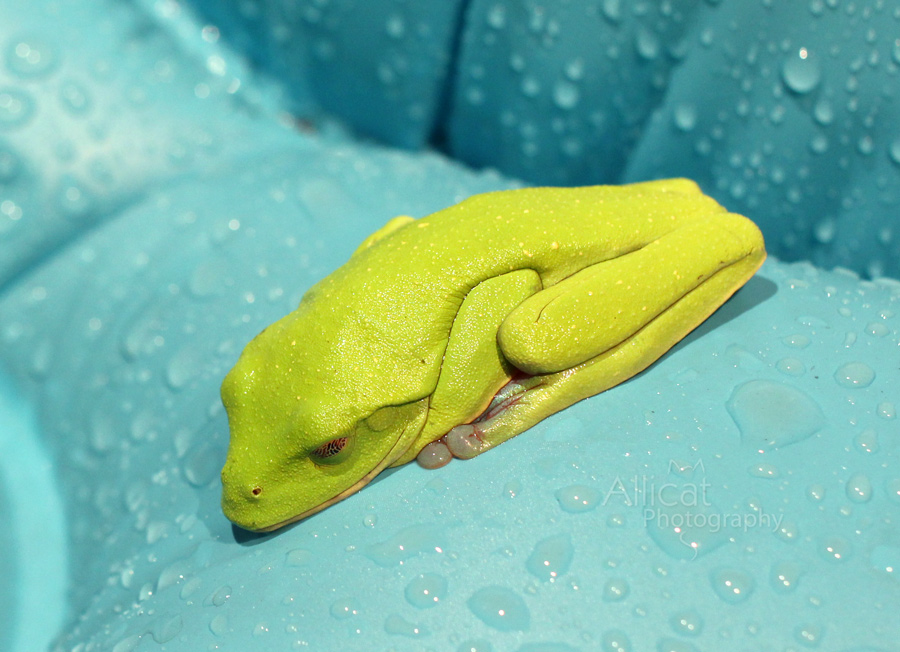
green with jealousy

green with jealousy

Up until recently I believed I had green eyes. (Even my driver’s license says so.) But then, my redheaded, hazel-eyed daughter insisted my eyes are blue. So, at my last optometrist appointment, I asked my doctor to confirm once and for all that my eyes are indeed green. (You know, just to set the matter to rest with an expert opinion.) Turns out, my eyes are . . . blue. Truly green eyes, according to my doctor, are rare.

Of course, there’s another kind of green eyes that isn’t so rare–the green eyes of that monster called jealousy. Now, I know I’m poking around in a touchy topic. Jealousy is, well, it’s embarrassing. It makes us feel small, immature and vulnerable. Nothing pretty about that.

Jealousy is an especially sensitive issue among children’s writers. It’s been my experience that we are an exceptionally supportive bunch. We’re not “supposed” to be jealous of one another. But if we’re honest with each other and ourselves, jealousy happens to all of us, me included.

I can’t for a second claim I’ve got a permanent muzzle on my own green-eyed monster, but maybe some of these observations will be helpful to you. Well, I mean, not you, but maybe that jealous, less mature “friend” who needs this advise.

It’s not that you want the other authors to be unsuccessful. It’s just that you want to be successful too. Isn’t that it? Other authors have worked hard and deserve to be recognized. And you darn well know it. The miserable part is waiting and believing your turn is coming, the same way those other (blankity-blank) people believed, and worked and waited.

I used to think that it was only unpublished writers who felt jealous–you know, jealous of those who were being published. But I’ve since learned that’s not the case. Published authors can still be jealous of other authors for having higher Amazon rankings, better book deals, more agent attention, cooler awards or accolades and on and on. The lesson? If you opt to stay on the jealousy train, it’s gonna be a long ride.

Cut yourself some slack if you feel jealous of celebrity authors. I consider this a kind of jealousy loophole. While there are a thimbleful of celebs who can truly write for children, it’s clear that most are relying on their name to sell books. Instead of feeling jealous, I try to console myself with the idea that celebs help to keep publishers afloat, and if those publishers have a healthier bottom line, maybe they’ll have a little extra cash to take chances with lesser knowns like me. (That’s my theory anyway.)

Try to avoid the “why not me?” sink hole. A brain wrapped in layers of green goo can spit out some pretty skewed thinking. For example, we want to attribute someone else’s success to nothing more than luck. Now, luck may have played a role, but it’s likely the object of your jealousy had been working for years so that when fate/luck/happenstance happened, they were ready to take advantage of the opportunity. (Hmm. That was pretty smart of them, wasn’t it?)

Let me challenge you to churn that jealousy into motivation. Rather than let your jealousy sap your creative energy, let it ramp up your focus, drive and productivity. C’mon kid. Dig deep, quit whimpering and create something to provoke jealousy in someone else.

And hey, wait up. I’ll join you!

You can be the moon and still be jealous of the stars. ~ Gary Allan

anne lamott had her nostrils removed?

Standard

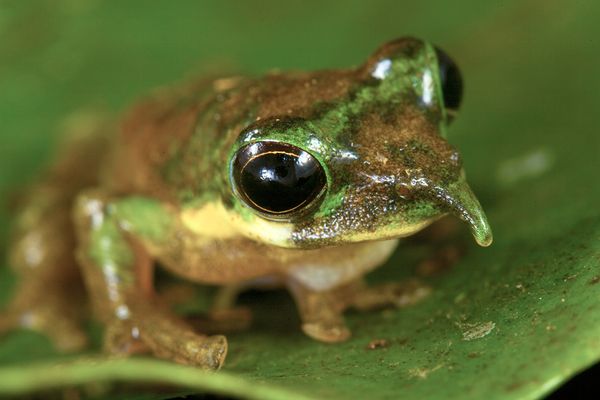
pinnochio frog

pinnochio frog

Has your muse gone to visit her mother in the Hamptons? Consider one of these fine reads to top off your inspiration tank. These are my five favorite go-to books . . .

Bird by Bird, Some Instructions on Writing and Life by Anne Lamott
This book is a classic for a reason. It’s full of solid advise and insights, wrapped in Anne’s wry wit. But Bird by Bird earned a cozy place in my heart for two very personal reasons. While I read it–more like absorbed it–I saw myself in her pages. As I was nodding my head, I realized I related to Anne’s words and experiences because I really am a writer. Not a writer-wanna-be, but someone with the heart of a real writer. Mmm-mmm-mmm. That’s some good soul-sticking stuff right there.

While I’m at it, I may as well confess my silly association with this book. I recall reading Bird by Bird for the first time by lamplight, alone in my living room. My daughter came running in when she heard me let out a loud gasp. I had just read the part where Anne shares about having her nostrils removed. You read that right–her nostrils! (Silly me. My eyes transposed a few letters. Anne had her tonsils removed. Oh, right, tonsils. Sure. I knew that.)

Take Joy, a Book for Writers by Jane Yolen
Lots of reasons to love and read this little volume. First off, Jane Yolen wrote it. That’s reason enough. Secondly, I love the title because it’s based on one of my favorite quotes from Fra Giovanni–“The gloom of this world is but a shadow. Behind it, yet within our reach is joy. Take joy.” Jane’s book is a warm, lovely mixture of instruction, wisdom, observation and encouragement.

Making a Literary Life, Advice for Writers and Other Dreamers by Carolyn See
Whether she intended to be or not, I think Carolyn See is a hoot. While she does devote about half of her book to craft, in the first half she talks about things like how to pretend to be a writer (hey, we all have to start somewhere) and she offers advise I’ve never seen included in any other book on writing–how to dress for your first trip to New York (seriously–right down to the jewelry), about sending charming notes (every day) to help you make connections with publishing people, about writing a thousand words a day, and about setting up a writing account to help you make your writing life a reality. She’s so pragmatic and dramatic at the same time. And by the way, I took Carolyn’s advise on the writing account and I’m so glad I did. Whenever I sell a little article or make a bit of extra cash, I tuck it in that account. Knowing the money is there for writing-related ventures gives weight and reality to my otherwise dreamy dreams.

On Writing, a Memoir of the Craft by Stephen King
I am not a Stephen King fan. (Won’t he be crushed?) He’s talented alright, but his stories are just too scary for me. (Yes, I’m a ninny.) I enjoy this memoir because I think it’s fun to learn what makes other writers tick. And that brilliant Stephen, he’s got himself some ticks. I wouldn’t read On Writing for particulars on craft or technique, but more for inspiration and insight.

Walking on Water, Reflections on Faith and Art by Madeleine L’Engle
This is by far my favorite, favorite, favorite book on writing. (And just to be clear, Walking on Water is not a how-to book!) This book is filled with many of Madeleine’s favorite quotes (I have her to thank for introducing me to the Fra Giovanni quote I love), along with stories of her life and family, and faith, philosophy and the artistic process. Best of all, she opens her heart and reflects on writing for children and why it matters so much. I deeply admire Madeleine’s respect for children and the importance of giving them only our very best as writers.

This summer I intend to re-read all of these, even if my muse returns early from the Hamptons.

How about you? What are your favorite books on the craft of writing?

The profession of book writing makes horse racing seem like a solid, stable business.~ John Steinbeck

meet debut YA author K. A. Barson

Standard

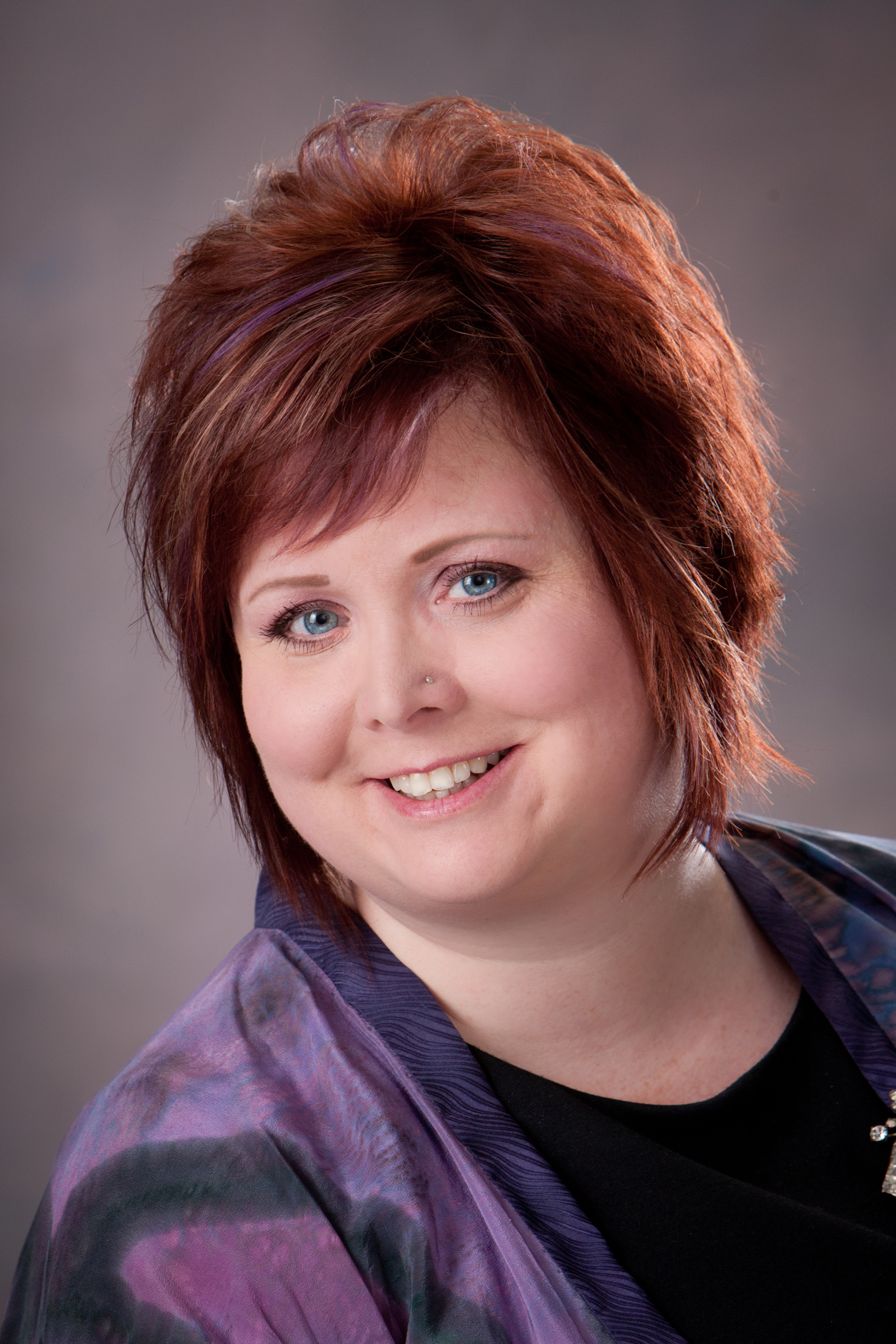
K.A. Barson (aka my friend Kelly)

K.A. Barson (aka my friend Kelly)

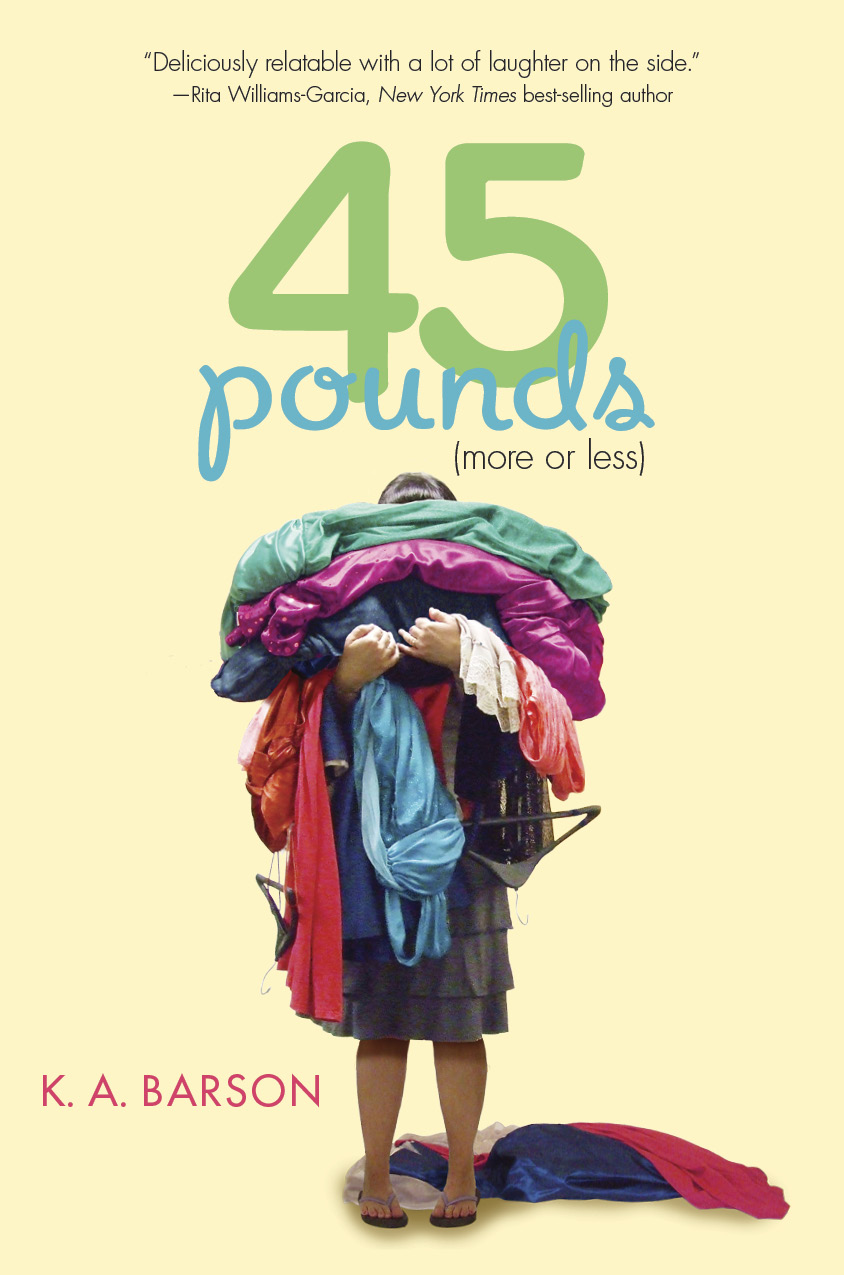
45 Pounds More or Less by K.A. Barson

45 Pounds More or Less by K.A. Barson


What a delight to welcome my friend and favorite new YA author K.A. Barson to Frog on a Dime. Kelly’s debut novel 45 POUNDS (More or Less) will be released by Viking on July 11. I was lucky enough to read it this week. Trust me, you will want to pre-order yours now! In fact, order two–one for you and one for a teen girl you love. She’ll thank you for it!

Recently Kelly was kind enough to pull up a dime and spend a little time answering a series of grueling, mind-numbing questions. She’s quite a trooper.

So, Kelly, when did you know you wanted to become a writer?
I don’t remember ever not wanting to be a writer, but for most of my life it wasn’t a real dream. It was like wanting to be President or an astronaut or professional basketball player or rock star kind of dream. I wrote stories and sometimes submitted them. One rejection meant they were destined to live in my file cabinet. I didn’t realize that it was something I could really do until I shared with a friend from church that I’d written a book for young readers (it had a file condo in my cabinet) and she introduced me to this group called SCBWI. Her name is Vicky. Maybe you know her?

Very funny, Kelly. So, back to you, what is it about writing for children that appeals to you versus writing for adults?
I don’t have much in common with adults. Kids’ and teens’ feelings and life experiences feel the most alive and real to me. Whenever I imagine a story, it’s from a young person’s perspective. They have the most unique ways of looking at the world.

What were your favorite books growing up?
My first loves were Mother Goose and Dr. Seuss. I remember making up my own stories to the Mother Goose illustrations. I would look at them for hours, long before I could read. Then I devoured everything by Beverly Cleary and then Judy Blume. As a teen, I loved Stephen King.

What is the best writing advice you’ve ever been given?
When talking about my work-in-progress at the time, a mentor once told me that my character has to DO something besides not die. That really stuck with me. Knowing a character’s motivation–what s/he wants and why s/he reacts a certain way–has helped me shape my work ever since.

What do you know now that you wish you’d known when you were starting out?
It takes 10,000 hours to master any craft. I wish I would have had the patience to wait until I had my hours in before submitting. I was gutsy enough to think I had what it took long before that. Maybe I needed that intestinal fortitude to keep going, but when I read some of the stuff I submitted too early, I’m embarrassed.

What are you glad you didn’t know when you were starting out?
I’m glad I didn’t know how long it would take. If my Magic 8 Ball had given me cold, hard numbers and dates of when things would finally start happening, it might have been too overwhelming. I might have given up. I hope I wouldn’t have, but the idea that it “could happen tomorrow” kept me going. I might not have worked as hard if I knew it would still be years away.

What’s the most encouraging thing anyone has ever said to you (related to writing)?
This is the hardest question. I’ve been blessed with a massive support network–from my dear friend Vicky who first encouraged me to be a real writer to multiple-award-winning authors who’ve cheered for me every step of the way. Just thinking about the answer to this question has overwhelmed me with gratitude.

What advice would you give to someone who has been pursuing publication for a long time, with close calls, but no contracts?
Never give up. “The Call” happens in an instant, often when you least expect it. Just keep plugging along and don’t let discouragement rule you. It really could happen tomorrow.

You’re a great encourager, Kelly. Thank you so much for stopping by. Best wishes on the release of your awesome first novel. I know teen readers will love it as much as I did.

And, as always, we end with a quote. This one happens to be one of Kelly’s favorites . . .

Whether you think you can or you think you can’t–you’re right. ~ Henry Ford.

write like your life depends on it

Standard
  • ???????????????????????????????????????
    Yesterday I had the privilege of presenting two of the many workshops offered to middle school and high school students at the Youth Writing Festival at Calvin College in Grand Rapids, MI. My workshop, “Write Like Your Life Depends on It,” was intended to empower students who love to write with the knowledge that they possess a rare and marketable skill. We talked about how they can prepare now for future career options that will allow them to make use of their superpower.

    Most of all, I encouraged students to be honest about what they would like to do–it’s okay to say I want to be a professional writer. It’s a skill to celebrate, not cover up. When I was open about my desire to write for children, it was amazing how opportunities, people and resources came my way.

    Let me encourage you to be true to your calling too!

    Here’s the list of career options I shared with the students. Maybe it will inspire you, too, if you’re unsure what you want to do when you grow up. (No rush!)

    Novelist (any genre)
    Non-fiction writer
    Journalist
    Copywriter
    Web content writer
    Game content writer
    Blogger
    Screenwriter (TV or movies)
    Speech writer
    Playwright
    Grant/proposal/application writer
    Poet (perhaps as a lyricist or greeting card verse writer}
    Technical writer (for example, business writing, textbook content, medical writing)
    Freelance writer (magazines, newspapers, online columns, work for hire projects)

    Writing-related career options:
    Editor
    Proofreader or copy editor
    Writing instructor or tutor
    Marketing/Advertising/Public Relations
    Critic/Reviewer

    Have YOU used your superpower today?

    I love being a writer. What I can’t stand is the paperwork.~Peter De Vries

How to Struggle Successfully

Standard

Somewhere along the way, at least in Western culture, struggle’s gotten a bum rap. If you’re smart, we say, then mastering something new will be easy. That is, after all, what being smart means,. Smart is who you are. You achieve things because of who you are. If you don’t catch on to something quickly or achieve a dream with ease, then obviously you’re not “good” at it. You’re not smart. You should hang it up. Move on to something else. To heck with struggling.

But maybe it’s not all that simple, my little Prickly Pears.

Recently, I’ve become aware that in Eastern culture it’s understood that learning a new skill will involve struggle before it’s mastered. Struggle is seen as an opportunity. Working hard to learn something is how you achieve it. It’s not about who you are, but what you do. You are admired for your perseverance.

Taking a cue from Eastern culture, I’m choosing to see struggle as an opportunity too. At the health system where I work, we label an area or process that could use refinement as an “opportunity for improvement.” The inevitable mistakes that come with learning are not seen as negative. They are a chance to grow, stretch and struggle to make things even better. I love that. It’s freeing and motivating.

My personal struggle of choice is to become a published children’s book author. As much as I love writing and for as long as I’ve pursued publication, realizing this dream is still just out of my reach. Can I honestly say I enjoy the struggle? Oh yes, just about as much as Julia Child adored deep-sea diving. But I am learning to embrace the struggle as part of the process. Who knows, maybe it’s the most valuable part.

Come to think of it, most worthwhile things in life are achieved through hard work and struggle–creating a happy marriage, raising confident, compassionate kids, earning a diploma, starting a business, writing an engaging novel, learning to cook a heavenly holiday feast.

What about you? You must have a dream too or something you’d like to/need to learn that’s a challenge for you. Do you welcome the challenge and assume that you’ll struggle a bit to start? (Note, I define a “bit” as anywhere from a few hours to a decade, depending.)

How you view struggle oftentimes determines how long you’ll stick with something. But remember, struggling is not a red flag telling you that you’re not cut out for this, that you have no talent or that because it’s not “easy” for you that you’re not smart. No need to duck and run. Save the apologies and excuse-making. I (ever-so-humbly) suggest that you join me in embracing the process, my Buttered Niblets. G’head. Give it a good hug. When you can do that, regardless of the outcome, you are already a grand success.

You may encounter many defeats, but you must not be defeated. In fact, it may be necessary to encounter the defeats, so you can know who you are, what you can rise from, how you can still come out of it. – Maya Angelou