(my) top 5 musts for writing professionals

Standard
Photo by Vicky Lorencen

Photo by Vicky Lorencen

Disclaimers before we dig in:

  • Most of us do not enjoy being told what we must do, so if my musty list makes your writerly toes curl, you’re welcome to swap the word for something more appealing. Mush?
  • If you identify yourself as a writer, I am going to assume you’re writing (just nod here), so I don’t need to include that on the must list.
  • This list probably sounds all bossy pants, but that’s really more for my benefit. I need this list to keep me on track.

And now, on to the list . . .

By no means is this an all-inclusive list of musts, but it covers five of the biggies (for me anyway):

  1. You must remain true to your vision.

Now, hold on. I’m not talking about adopting a “My Way or the Highway” mentality. Hardly. I think it’s essential to be open to feedback and insights from voices you respect. What I am saying is, don’t be a sellout. Don’t compromise your integrity, your story and your characters for the sake of a byline. It won’t be your story any more. Don’t go creating regret.

  1. You must be kind.

And you know the kind I mean, right? Not the faux, syruppy, suck-uppy kind of kind.  Genuine kindness, to me, is as much a part of being a professional as meeting deadlines. Being gracious and kind to everyone doesn’t just make you a well-liked writer, it’s what makes you a welcome member of the human race. Keep this must in mind when offering and receiving critiques, interacting with publishers or agents (and members of their support team), and whilst commenting on social media (that last one is a doozy, and sadly, the most often forgotten). And finally, be kind to yourself.

  1. You must express gratitude.

I’ve sent thank you notes for rejection letters. Yes. Seriously. You’re a kind person, so I bet you have too. If an editor took the time to read and consider my work, I want to acknowledge that, even if we didn’t make a match. Send thank you notes or emails to fellow writers and industry professionals, to those who encourage you (and especially to those who send you treats). Express appreciation for opportunities and be grateful for the help you receive. You are pursuing your own dream. No one owes you a thing to help you achieve it. If they do assist you, don’t just be astonished, be thankful and say so.

  1. You must take risks.

How you define risk is up to you—reading at open mic, entering a contest, asking a question when it feels safer to sit in silence, revising based on some good advice even if you’re not certain you’ll like the result, trying a new genre, joining a critique group, creating a blog, going to a conference (or speaking at one!), hosting a writer’s meet-up, approaching an agent or submitting to your favorite editor. Venture out.

  1. You must give back.

Unless your name is Bob and you live in a pineapple under the sea, you can only be a sponge for so long, ya know? Soaking up is essential, but there comes a time when you’ve got to give yourself a good squeeze. Share what you’ve learned (when asked), volunteer and look for ways to benefit your fellow writers.

What about you? What are your professional musts? You simply must share. (There I go, all bossy pants again.)

In order to be irreplaceable, one must always be different. ~ Coco Chanel


don’t go minding my heart

Standard
Photo by Vicky Lorencen

Photo by Vicky Lorencen

You’ve had them. Those dreams of days that exist solely in your mind’s eye. You imagine how you’ll feel, what you’ll say or do as soon as the thing you’ve longed for a long time flips from fantasy to reality.

Then, that magical day arrives, and in a blink, you realize your mind’s eye was playing tricks on you.

It was like that for me earlier this month when my dream agent Erin Murphy offered to represent me. I was near tears, but then a surreal calm covered me. Not at all what I expected.  I always assumed I’d hang up the phone and do a squeal/jump/cry combo. (Just picture it!) But I didn’t. I sat alone in my office in stunned silence.  I’ve heard from friends who’ve had a similar experience.

Why? Well, I’ve pondered on that.

My best guess is that when your brain has been standing guard over your dream-holding heart for many years, it takes a bit before it can stand down and let your heart be happy. Your mind cares so much about your safety, it goes deaf to the cries of your heart that’s saying, “This is great news! Let’s celebrate!”

Photo by Vicky Lorencen

Photo by Vicky Lorencen

Thankfully, it only took about 24 hours before my mind unlocked my heart and I was free to be both grateful and giddy (yes, I even skipped down the hall with happiness).

Now, I know there’s still lots of work ahead, no guarantees and more opportunities for rejection, trial and error, and failure. My mind will still be busy watching over my heart, but for now, I’m delighted to enjoy this milestone.

Let me encourage you to celebrate your milestones too–sending out a submission you’ve spent many months (maybe years) preparing, making the shift from beer to champagne rejections (that is a big deal!), selling an article to a magazine you admire, getting that beloved book contract or whatever achievement makes your heart smile and your dear, overworked mind nod in agreement.

Remember to celebrate milestones as you prepare for the road ahead. ~ Nelson Mandela


the smartest thing you can do after you hit “send”

Standard

You poured your very self, spleen and all, into your manuscript and you’ve sent it off to an editor. Now what? Well, while you wait for a verdict, there are any number of things you could do . . .

Photo by Vicky Lorencen

Photo by Vicky Lorencen

A Half Dozen Ways to Go Way Wrong While You Wait

1. Revise the manuscript you just submitted–either on-screen or in-brain. The deed is done (for now). Let it rest already.

2. Eat your weight in _____________. Even if it’s kale, uh, still not a gold-star idea.

3. Whine about the editor’s perceived lack of speed on Facebook/Twitter/And So On. These things take time. You know this. You are a marathon runner, not a sprinter. The same is true for editors. Now, do some stretches and drink your vitamin-infused water, Sweet Knees. Go to your Zenny place. That’s it. Breathe. Good.

4. Follow up too soon. You just planted a, oh, let’s call it a pumpkin seed. It will sprout. Trust the process. Fretting, pestering and pacing won’t help. An answer will come, maybe not the one that you want, but it will come (most likely).

5. Check your email 24/7 (a tactic formerly known as Stalking the Mail Carrier).

6. Drive your friends, family, sweetheart, coworkers and critique group bonkers. These are your A team, the folks who will celebrate with you or console you. Do not suck them into your swirling chartreuse vortex of neuroses any more than necessary, or at least evenly distribute your crazy, not unlike chocolate curls on a cupcake. See how pretty?

One and a Half Ways to Spend Your Wait Time Wisely

Jump into something new. Or revisit something old, perhaps a manuscript you were allowing to cool a bit. Can’t stomach the idea of actually writing another novel right now? That’s okay. Write an article. Pen a poem. Do research for your next novel. Interview your new characters. Piece together an outline or road map or even a grocery list of scenes or ideas for your next project. Keep moving.

Reward yourself. Do you know how many well-intentioned, would-be authors are out there with half-scripts fermenting in a folder? Neither do I. But the point is, you finished an entire manuscript. Then you had the audacity to send it to a real editor. What are you, a freak of nature? A Titan? That’s amazing. Reward yourself in a meaningful way. Yes, yes, I’m giving you permission. Why are you still reading? Shoo. Go celebrate you!

Rivers know this: there is no hurry. We shall get there some day. ~ A.A. Milne

recognizing the detail smorgasbord (plus spring giveaway winners!)

Standard


Photo by Vicky Lorencen

Photo by Vicky Lorencen

This time of year is an absolute boon for children’s writers. If you have children or grandkids, you’ll soon be attending award ceremonies, field days, banquets, carnivals, graduations, end-of-year parties or picnics. Well, when you do, be sure to take notes. These occasions are an All-You-Can-Record Detail Smorgasbord!

Oh, I know you think you’ll remember. You are wrong. Even if you take photos, many details will be spirited away. I am the mother of a high school senior. Benefit from my experience.

Write.

It.

Down.

Jot down the names of the various awards and how students react to them, the food and amusements offered at the carnival, how the banquet was decorated and what was served, choice sound bites you overhear, and what teachers say to regain crowd control. Take note of the popular (and the not-so-popular) kids are wearing and how they talk, the words to songs that are sung, the music being played at a ceremony, the names of the games being played (and so on and so forth and what have you).

These notes will become precious to you when you sit down to write. You’ll have a stockpile of details to bring your work to life and ground it in a reality that is so familiar to your readers. (Oh,  and yes, you’ll have recorded dear details from your child’s school year, so there’s that too.)

The truth of the story lies in the details. ~ Paul Auster

Congratulations to the winners of the Frog on a Dime Spring Cleaning Giveaway . . .

Photo by Vicky Lorencen

Photo by Vicky Lorencen

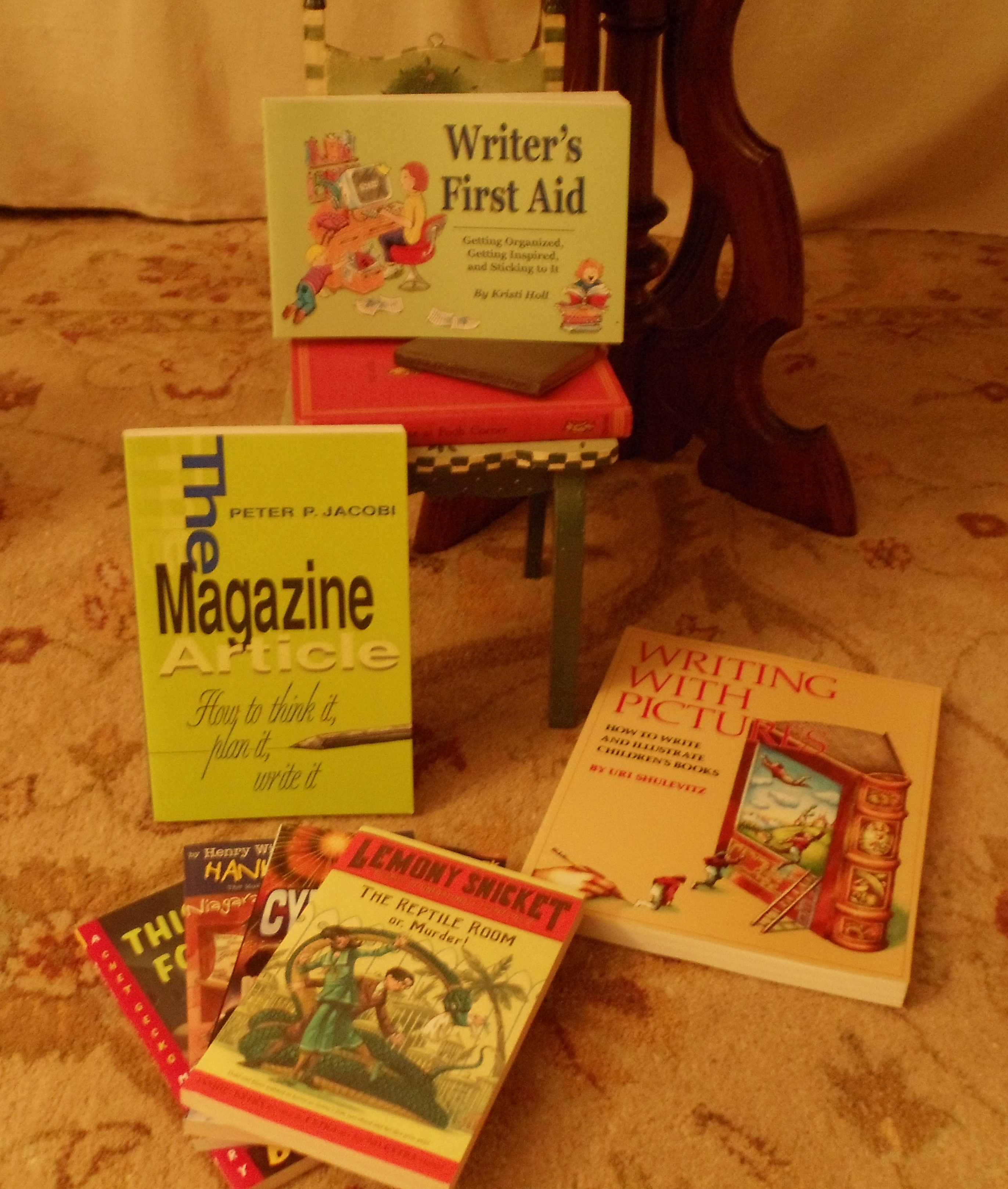
Lindsay Fouts–winner of Writer’s First Aid: Getting Organized, Getting Inspired and Sticking to It by Kristi Holl

Danielle Hammelef–winner of Writing with Pictures: How to Write and Illustrate Children’s Books by Uri Shulevitz

Please contact me with your address and I’ll be delighted to send you your book!


time for the spring cleaning giveaway!

Standard
Take your pick!

Take your pick!

It’s time. As much as it pains me, I must purge my bookshelves a bit. Because I’m your fan, I want to share my purgings with you. Huh. That didn’t come out right, did it.

Moving on–we have a resource for non-fiction writers, one for picture book attempters,  a practical book for any writer and (yes, there’s more) a set of brilliant middle grade novels by masters of the genre. And you thought this was going to be an ordinary day. Silly you!

Lean in and I’ll tell you how you can be a winner of the Spring Cleaning Giveaway: simply comment on this post and let me know which book (or books), you’d like to win. Then, I’ll draw names on Friday, April 17 at Noon. Easy sneezy.

Here’s what’s on the menu (and good luck deciding!) . . .

The Magazine Article: How to Think It, Plan It Write It by Peter Jacobi

This book was published in the late 1900s (makes it sounds really outdated, doesn’t it). What it lacks in advice about online research, it more than makes up for in how to add substance, depth and honesty to your work as a non-fiction writer. Plus, it’s Peter Jacobi. He’s amazing. If you ever get the chance to hear him speak, do. He’s a true orator. And can that guy write. Oh, my. Did I mention this book is signed? I almost hate to part with it.

Writing with Pictures: How to Write and Illustrate Children’s Books by Uri Shulevitz

This is a classic. If you write (or aim to write) picture books, you simply must have this book. It’s a treasure. And yes, I am willing to share it with you. Is that love or what?

Writer’s First Aid: Getting Organized, Getting Inspired and Sticking to It by Kristi Holl

I met Kristi ages ago at a Highlights Foundation workshop. This lady knows her stuff. While this little volume looks demure, it can be a real kick in the pants.

These fine middle grade novels, I’m offering as set. You can study them for craft, enjoy each as a fun, quick read and then share them with a child you love.

  • A Series of Unfortunate Events, No. 2: The Reptile Room by Lemony Snicket
  • Lost in Cyberspace by Richard Peck
  • Hank Zipzer, The World’s Underachiever: Niagara Falls, or Does It? by Henry Winkler and Lin Oliver
  • This Gum for Hire by Bruce Hale

Have you made up your mind? Don’t wait too long. Leave a comment by Noon on Friday and hopefully you’ll be a winner. Regardless, you are a fine person and there are plenty of kids who would be happy to sit by you at lunch. Remember, don’t slouch.

With freedom, books, flowers and the moon, who could not be happy? ~ Oscar Wilde

top 4 post-workshop mistakes to avoid

Standard
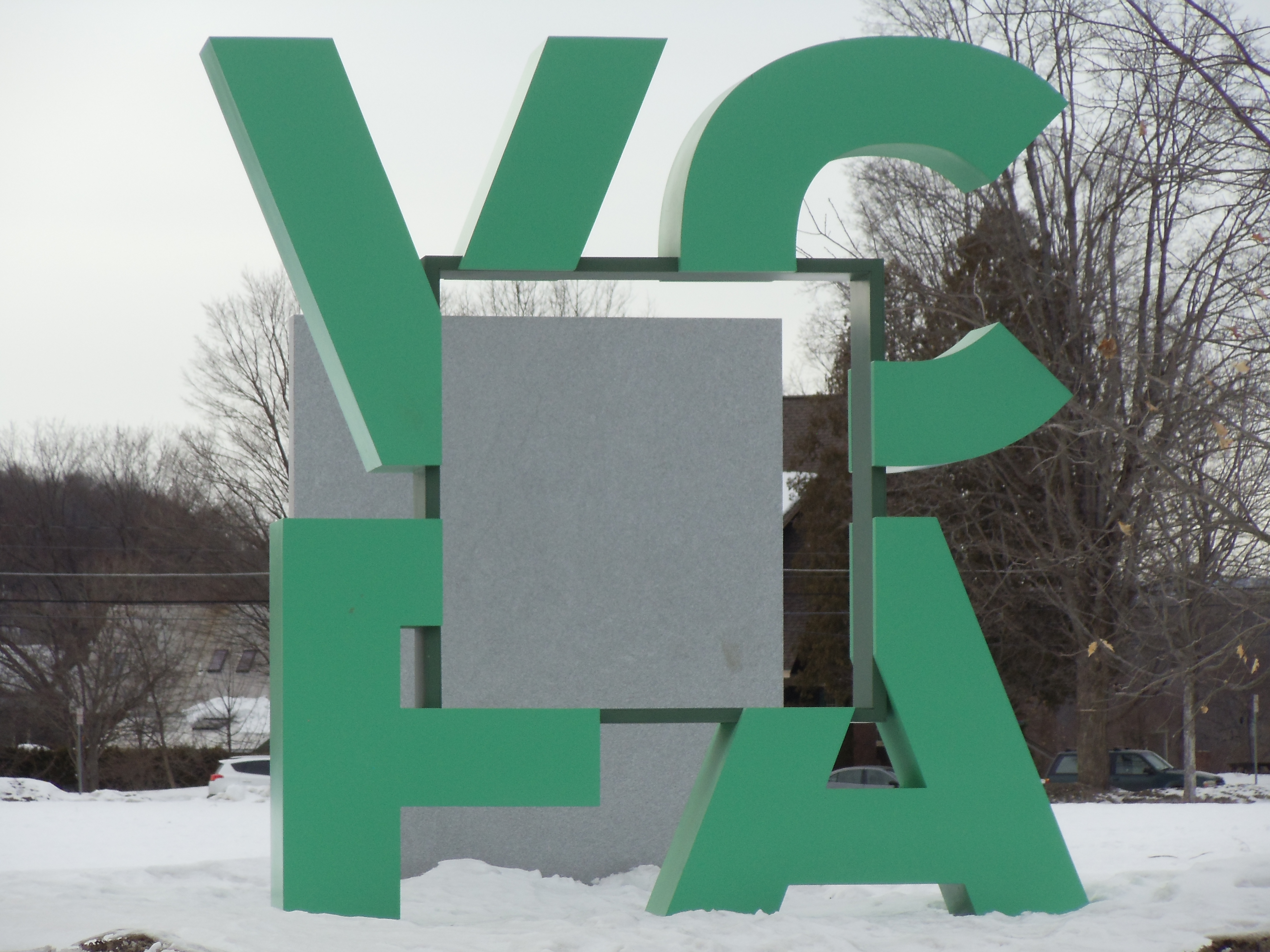
Vermont College of Fine Arts Photo by Vicky Lorencen

Vermont College of Fine Arts
Photo by Vicky Lorencen

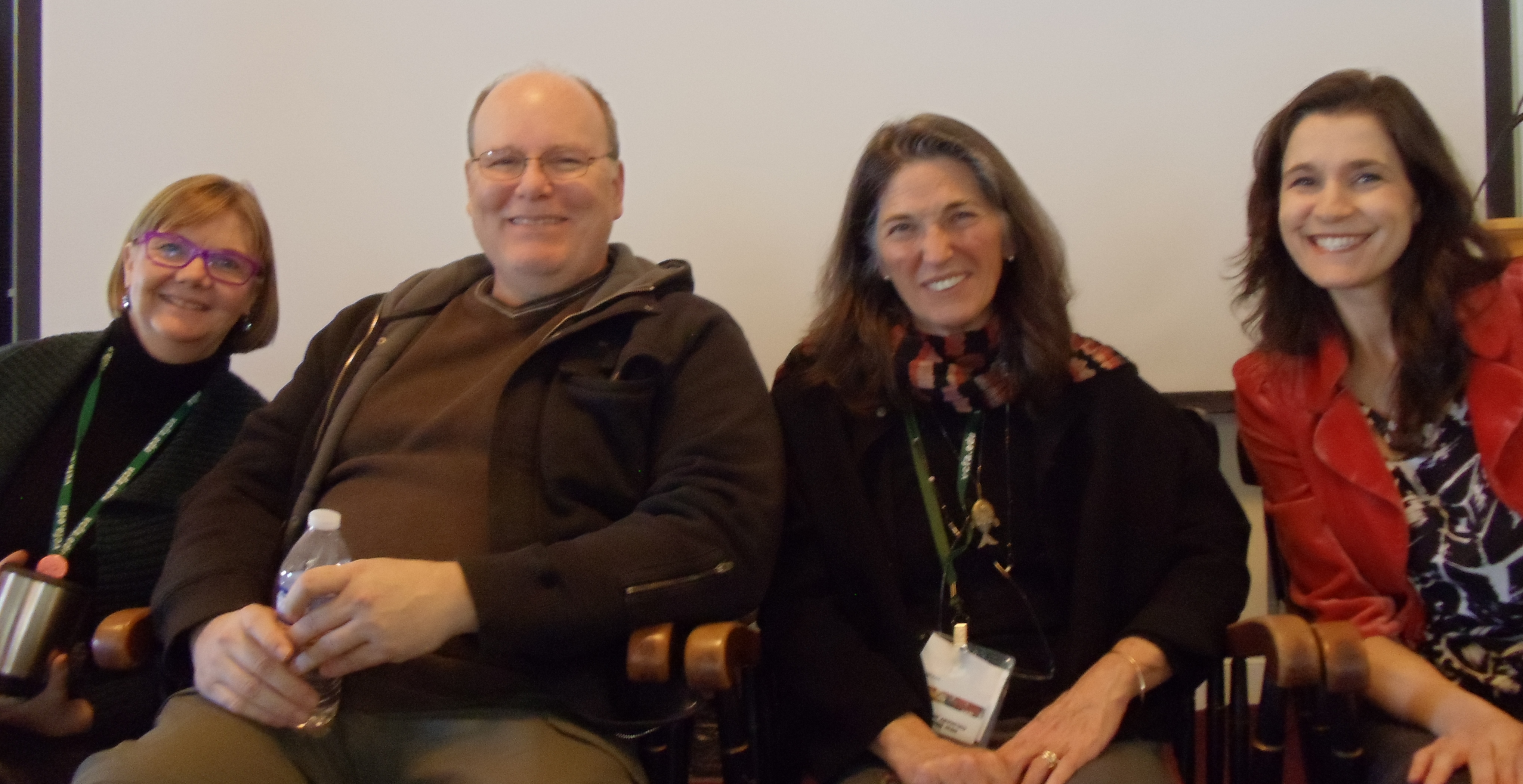
Kathi Appelt, David Macinnis Gill, Dana Walrath, Joy Peskin Photo by Vicky Lorencen

Kathi Appelt, David Macinnis Gill, Dana Walrath, Joy Peskin
Photo by Vicky Lorencen

You roll your quarters, register, and highlight the dates on the calendar. You pre-pick your plane seat and pack your bags. You’re going to a workshop! You look forward to it for months, fret about how many pairs of shoes to take, and finally, it’s time to blast off. I got to do just that earlier this month when I attended the amazing 12th Annual Novel Writing Retreat at Vermont College of Fine Arts. (If you’d like a great recap of the experience itself, I highly recommend visiting Debbi Michiko Florence’s site.)

I don’t know about you, but time passes at a sloth’s pace leading up to an event, but then the workshop itself whisks by at road runner speed. If you’re not careful (and by you’re, of course, I mean, I’m), it’s easy as gliding up an escalator to let the whole experience slip away once you’re back home.

Watch out for these post-workshop mistakes . . . 

1. Rushing to query or submit your manuscript. Some writers think, if I don’t send that editor or agent my manuscript as soon as I get home, they’ll forget all about me. Not true, especially when you wisely offer a little reminder in the first sentence of your cover letter about how you met. Even if a presenter gives you a teensy window–like six weeks–to submit, take your time. Better to email a glistening, well-groomed manuscript, than to rush yourself and offer a schloppy copy. Your work is a reflection of you. Go for shiny, not speedy.

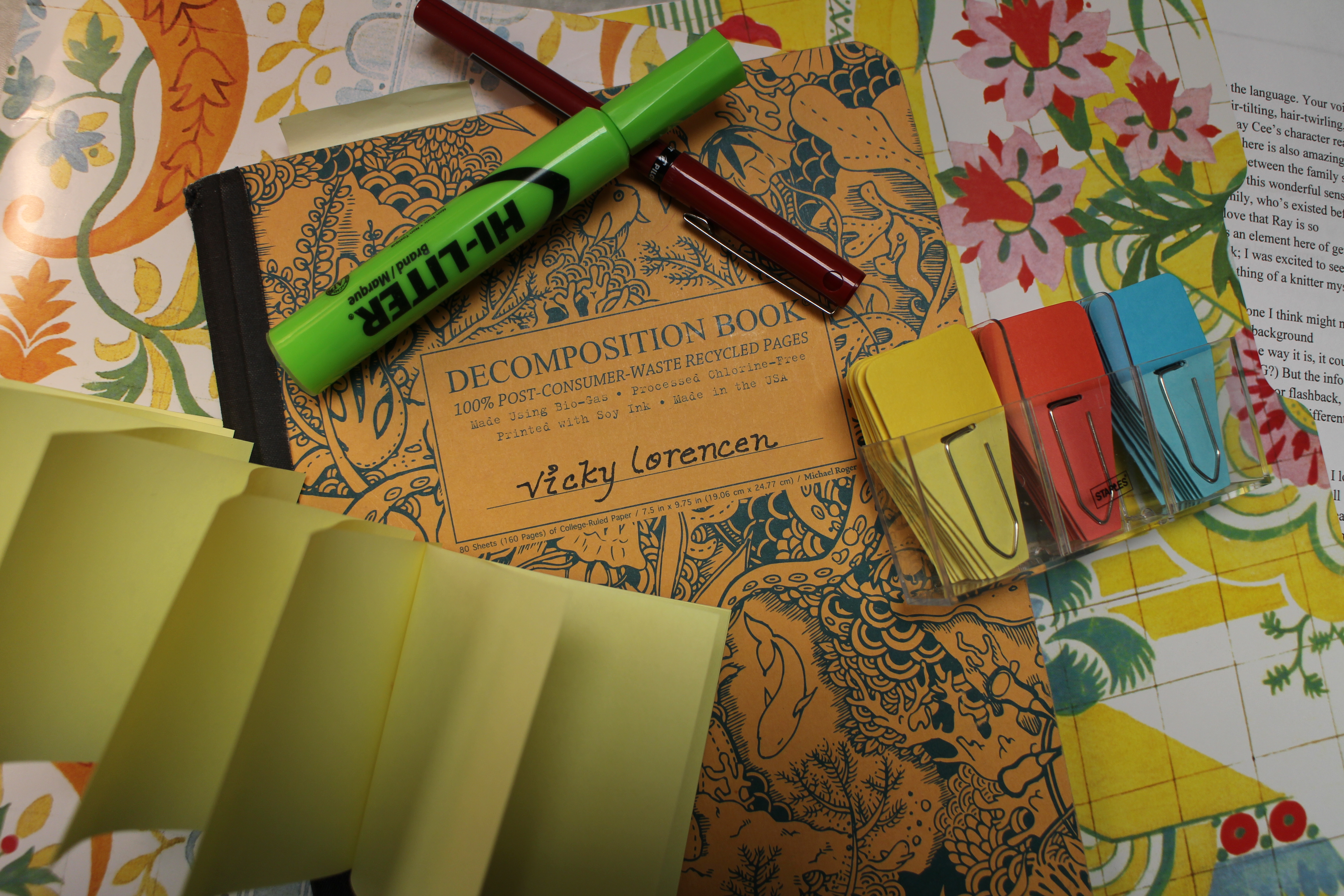
2. Neglecting your notes–if your notes are handwritten (mine always are), type them up. Seriously. It won’t take long, and while you’re typing, you’ll be reviewing the gems the presenters shared with you. It’ll be easy to highlight the parts that resonate with you too. [Next, pop some brackets around a hint or suggestion that perfectly applies to your WIP and cut/paste it into your ms. to serve as a reminder when you return to that section.] Don’t want to type? Use an old school highlighter or sticky notes to spotlight the bits you most want to recall. Put those pages (or copies of them) in the folder of goodies (research, hard copies, feedback) you’re compiling for this new novel. The idea is to incorporate every epiphany, aha and eureka into what you’re working on now, plus you’ll make them easier to find for future follies, that is to say, novels.

Photo by Vicky Lorencen

Photo by Vicky Lorencen

3. Disconnecting with the people who “clicked” with you. Friend them on Facebook, send a follow-up email or connect with them on LinkedIn. Send a text, a tweet or smoke signal, whatever works for you. These are your new peeps who share your passion. Passing on this chance to expand your circle is criminal, okay, well, at the very least, a pity.

4. Cooling off—you arrived home pooped, but positively giddy about a new idea for your WIP, but then your fervor fizzled. Family, your tyrannical to do list and Facebook eclipsed your euphoria. Don’t let them! If you have a critique group (or a beloved writing buddy), share what you learned with them. Talking about the lectures will help to solidify concepts in your mind. Your group/buddy may also be able to help decide out how to best use what you learned (and of course, you can return the favor). Ask someone to hold you accountable and offer to do likewise.

How about you? How do you keep the momentum moving after a workshop or retreat?

It is our choices, that show what we truly are, far more than our abilities. ~ J.K. Rowling

if it sounds like i’m begging, it’s only because i am

Standard
Photo by Vicky Lorencen

Photo by Vicky Lorencen

Let’s say a real estate agent sends you one of those slick postcards, inviting you to an open house on Sunday. You’re not really in the market for a house, but the agent’s photo is so endearing, and well, there might be cookies, so you and your beloved make plans to go. You show up between the hours of 2 and 4, and there stands the darling real estate agent—on an empty plot of land.

You and your sweetie make simultaneous brow furrows and head scratches. Wrong address? Then one of you suggests, perhaps she’s going to walk us over to that quaint house next door. Maybe she was so excited to usher us into our new dream home, she waited outside. You both exit the car and approach the agent. She nods and laughs at your quizzical faces. “Yes, yes, this is the right address,” she assures you. “But there’s no house here. Not yet.” You two do a simultaneous brow lift. “Heavens,” she says, “It’s still in the design phase.”

What? Doesn’t that sound loony–to seek buyers for a house that only exists in the mind of the architect? Why, yes, indeed it does. But you know what? (Uh oh, here she goes . . . )

It snaps my heart in two when I see people who are new to children’s writing splintering their time in unproductive ways. (Probably because I hate seeing them repeat some of my own dundering blunders.) And while I hate calling a story a product, if you plan to sell it, it is. It would stand to reason then that one must have a product to sell before one goes to market. Yes?

So, please, please . . . you’ve got me down on my old knees here . . . if you are new to writing for children, pretty please with Nutella on top, place your focus on crafting not publishing.

Here’s where your focus needs to be (according to yours ever-truly):

  • Craft–first-drafting, revising, sharing with your critique group, revisiting and polishing
  • Establishing good writing habits and routines
  • Asking questions
  • Attending conferences and workshops centered on writing (not publishing)
  • Networking–yes, online, but also at retreats and what-have-yous
  • Joining or establishing a critique group
  • Reading books, blogs and articles on craft
  • Reading books in your genre of choice
  • Reading books outside your GOC
  • Cultivating interests and experiences away of writing–dance, gardening, making pickles–anything that widens your world a bit
  • Maintaining a positive online presence

Please don’t divert your precious writing hours by: 

  • Spending time and money learning how to give a stellar school visit
  • Searching for an agent (they need a polished product to take to market first!)
  • Submitting manuscripts (do not rush the process, let your manuscripts cool and mature)
  • Hunting for an illustrator (that’s the art director’s job)
  • Practicing your autograph (okay, well, it is fun, I’ll grant you that)
  • Drafting your Newbery acceptance speech (but I do admire your radiant self-confidence)
  • Investing metric tons of energy into building a fancy web site and online platform*

*Okay, you got me there. You may have noticed, since you are reading this after all, that I myself have a blog. Am I published? Well, no. Not yet.  But I do see value in having a site for several reasons–it gives me a way to share ideas, offer encouragement and connect with other writers, it makes me feel more like a professional writer, and yes, it is a means to building a wee online presence for myself (even if it is the size of a frog on a dime). So, go ahead and create a blog or web site, but only if you really want. Don’t feel pressured to do it and certainly do not let it gobble up your writing time.

Focus on craft when you’re starting out, and then, once you’re more established, you can focus on craft (some more).

Time flies like an arrow; fruit flies like a banana. ~ Anthony G. Oettinger

right on cue . . . the pre-event meltdown

Standard

Next weekend I’ll be cramming a carry-on and heading to fabulous Vermont College of Fine Arts and sure enough . . .

Vicky L. Lorencen's avatarWelcome to Frog on a Dime

Finn the Kitten relates Photo by Vicky Lorencen Finn the Kitten relates
Photo by Vicky Lorencen .
Freak out. Meltdown. Keyed up. Pick a label. Doesn’t matter. It’s here–the pre-event emotional mixing bowl of jitters, doubt and insecurity, with just a pinch of dread. Holy synopsis, it’s the night before school starts all over again.

Seems any time I’m heading for a writing event—a conference, retreat, class, workshop or seminar, all of my irrational thoughts tap into their stash of steroids and pump themselves up to Library of Congress sized proportions. They tell me lie after lie about myself and my abilities (or lack thereof) until I am left feeling unworthy, talentless and ill-equipped. Maybe even a little gassy.

Why am I telling you all of this? You never feel this way. You approach every new opportunity with the confidence of a peacock.

Um, don’t you?

If there is a sliver of a chance you can relate, allow…

View original post 390 more words

would you like to see a menu? my 4 recommendations

Standard


Photo by Vicky Lorencen Silver Bay, Adirondak Mountains in Lake George, NY

Photo by Vicky Lorencen
Silver Bay, Adirondak Mountains in Lake George, NY

Studying the menu at a new restaurant can be tantalizing. You scan the appetizers:  olive tapenade, baked brie and calamari, then peruse the main course options: lamb chops, tilapia, steak medallions, and finally the scrumptious desserts: peach pie, crème brulee or chocolate lava cake. So many choices. Sometimes it helps to ask your server for a recommendation.

Well, my charming writerly friends, I have a different menu of options to tempt you. I can personally attest to the high quality and value of each. You simply cannot make a bad choice (unlike that unfortunate experience with the ahi tuna sushi special. Sorry to bring that up again. Ew.). Any one of these will nourish your writing skills and expand your network (without expanding your waistband!) Because you can click the links to get all of the particulars, I’ll focus on my personal experience with each.

Highlights Foundation

Whether you write picture books, novels or non-fiction, you will find an outstanding collection of workshops with top-notch faculty hosted in the gorgeous natural surroundings of Pennsylvania. The Highlights team will treat you like gold and feed you like royalty. Presenters take a personal interest in your work and the small workshop sizes allow you to get to know the other participants and learn from them as well. Workshops are pricey, especially if you need to fly, but Highlights does offer scholarships, free shuttle service and makes the experience all-inclusive, so there are no extras to worry about beyond getting there. I loved it!

Vermont College of Fine Arts

Photo by Vicky Lorencen Vermont College of Fine Arts, Montpelier, Vermont

Photo by Vicky Lorencen
Vermont College of Fine Arts, Montpelier, Vermont

You probably already know about VCFA’s two-year low residency MFA program. But do you know there are also weekend workshops? What made this workshop a standout for me was the exuberantly positive atmosphere. The faculty–simply fabulous too. Truly. I came away feeling pretty darn giddy. I’m going again later this month and I can’t wait!

Falling Leaves/Green Leaves Master Class Retreats 

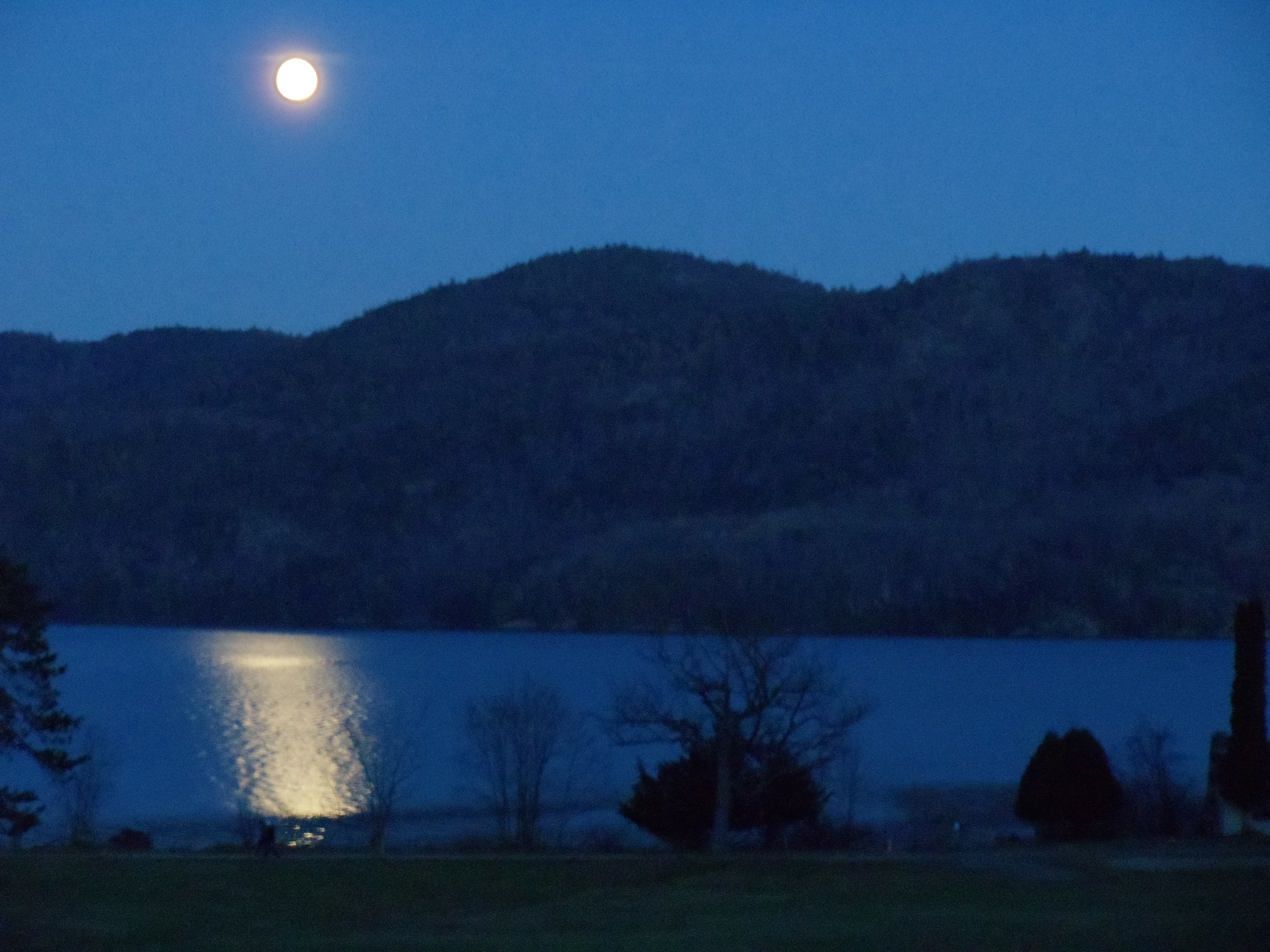
Moon over Lake George

Moon over Lake George

Hosted by the Eastern New York Chapter of the Society of Children’s Book Authors and Illustrators, these fall and spring weekends take place on magical Silver Bay in Lake George, New York. This retreat has an amazing participant:presenter ratio–35:5. It’s no surprise, spots fill quickly. This workshop will stretch you and give you a boost.

UCLA Extension Writers’ Program

This online program pairs you with an instructor and a small group of students. I took a course called “Creating Memorable Characters,” which included textbooks and novels to read, as well as the expected homework. Interacting with the instructor and with the other students who were from all over the planet made this course especially fun.

I’ll give you a moment to look over the menu. If you have any questions, please let me know. I’m happy to serve you. Bon appetit!

Hors d’oeuvres have always had a pathetic interest for me. They remind me of one’s childhood that one goes through wondering what the next course will be like–and during the rest of the menu one wishes one had eaten more of the hors d’oeuvres. ~ H.H. Munro


let’s talk about “the J word”

Standard

A perennial topic, worth revisiting . . .

Vicky L. Lorencen's avatarWelcome to Frog on a Dime

green with jealousy green with jealousy Up until recently I believed I had green eyes. (Even my driver’s license says so.) But then, my redheaded, hazel-eyed daughter insisted my eyes are blue. So, at my last optometrist appointment, I asked my doctor to confirm once and for all that my eyes are indeed green. (You know, just to set the matter to rest with an expert opinion.) Turns out, my eyes are . . . blue. Truly green eyes, according to my doctor, are rare.

Of course, there’s another kind of green eyes that isn’t so rare–the green eyes of that monster called jealousy. Now, I know I’m poking around in a touchy topic. Jealousy is, well, it’s embarrassing. It makes us feel small, immature and vulnerable. Nothing pretty about that.

Jealousy is an especially sensitive issue among children’s writers. It’s been my experience that we are an exceptionally supportive bunch. We’re not…

View original post 441 more words