Category Archives: Multipurpose

right on cue . . . the pre-event meltdown

Standard

Next weekend I’ll be cramming a carry-on and heading to fabulous Vermont College of Fine Arts and sure enough . . .

Vicky L. Lorencen's avatarWelcome to Frog on a Dime

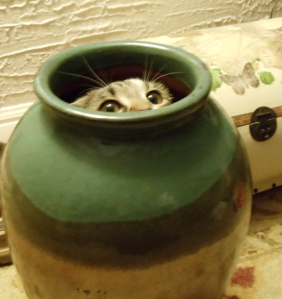
Finn the Kitten relates Photo by Vicky Lorencen Finn the Kitten relates
Photo by Vicky Lorencen .
Freak out. Meltdown. Keyed up. Pick a label. Doesn’t matter. It’s here–the pre-event emotional mixing bowl of jitters, doubt and insecurity, with just a pinch of dread. Holy synopsis, it’s the night before school starts all over again.

Seems any time I’m heading for a writing event—a conference, retreat, class, workshop or seminar, all of my irrational thoughts tap into their stash of steroids and pump themselves up to Library of Congress sized proportions. They tell me lie after lie about myself and my abilities (or lack thereof) until I am left feeling unworthy, talentless and ill-equipped. Maybe even a little gassy.

Why am I telling you all of this? You never feel this way. You approach every new opportunity with the confidence of a peacock.

Um, don’t you?

If there is a sliver of a chance you can relate, allow…

View original post 390 more words

let’s talk about “the J word”

Standard

A perennial topic, worth revisiting . . .

Vicky L. Lorencen's avatarWelcome to Frog on a Dime

green with jealousy green with jealousy Up until recently I believed I had green eyes. (Even my driver’s license says so.) But then, my redheaded, hazel-eyed daughter insisted my eyes are blue. So, at my last optometrist appointment, I asked my doctor to confirm once and for all that my eyes are indeed green. (You know, just to set the matter to rest with an expert opinion.) Turns out, my eyes are . . . blue. Truly green eyes, according to my doctor, are rare.

Of course, there’s another kind of green eyes that isn’t so rare–the green eyes of that monster called jealousy. Now, I know I’m poking around in a touchy topic. Jealousy is, well, it’s embarrassing. It makes us feel small, immature and vulnerable. Nothing pretty about that.

Jealousy is an especially sensitive issue among children’s writers. It’s been my experience that we are an exceptionally supportive bunch. We’re not…

View original post 441 more words

10 truly haunting thoughts

Standard


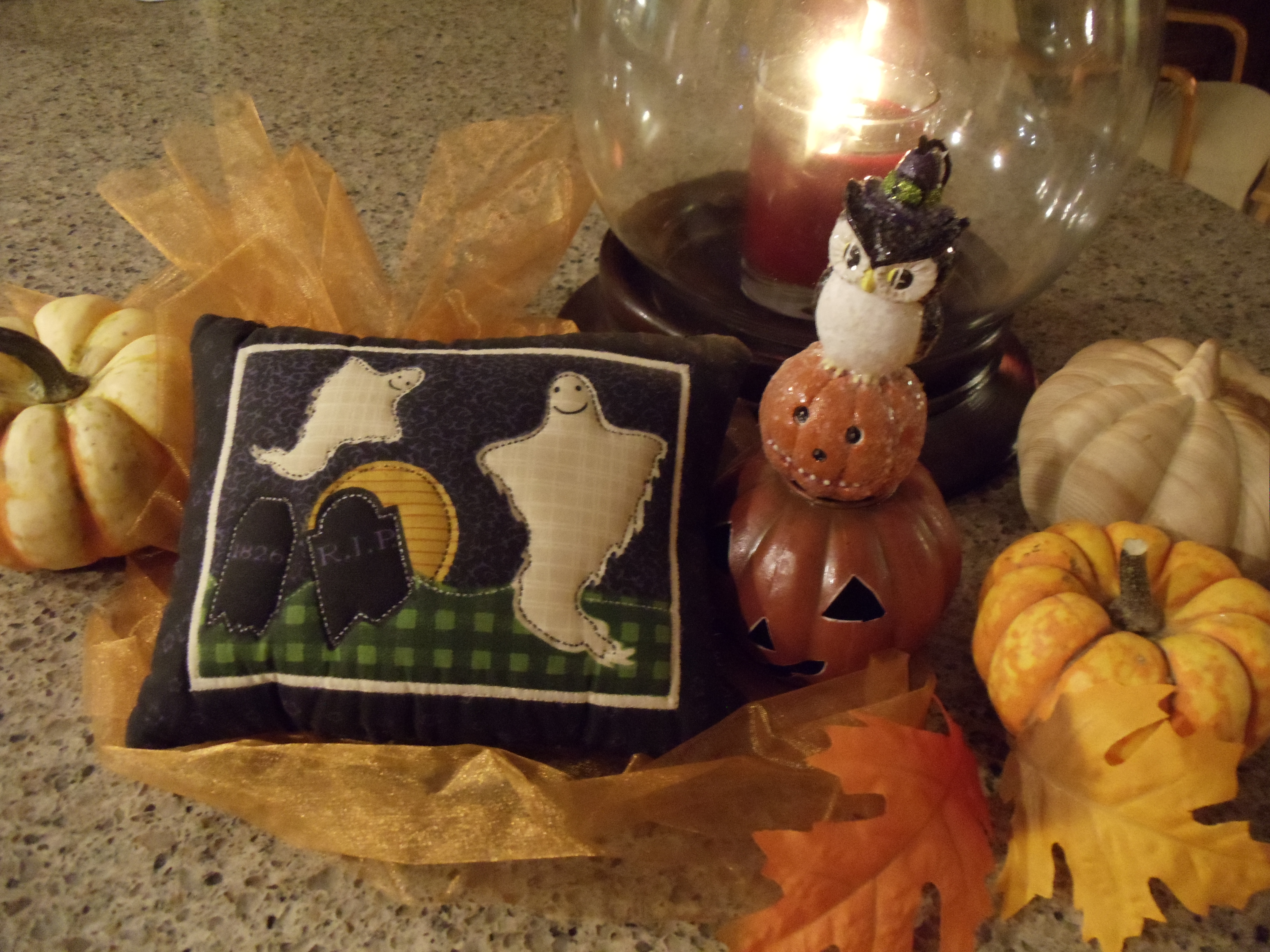
Photo by Vicky Lorencen

Photo by Vicky Lorencen

In the spirit of Halloween, I bring you ten truly frightening writing-related thoughts . . . (brace yourself)

  1. What if your last great idea really was your last great idea?
  2. What if you were forced to write a trilogy on a manual typewriter—by the light of a jack o’ lantern?
  3. What if Spellcheck had to be obeyed?
  4. What if the publishing industry adopts a Hunger Games style system for awarding contracts?
  5. What if there is, dare I say it, a comma shortage?
  6. What if the silent g and the silent p refuse to remain so?
  7. What if the act of writing causes cellulite?
  8. What if all books were based on 70s TV shows?
  9. What if editors demand all novels include calculus?
  10. What if your big-mouthed muse starts her own blog?

Bonus scary thought–What if Donald Trump writes a bestselling picture book and his hairstyle starts trending? (How hairifying!)

Happy Halloween from Frog on a Dime!

Once we are aware of our fears, we are almost always capable of being more courageous than we think. Someone once told me that fear and courage are like lightning and thunder; they both start out at the same time, but the fear travels faster and arrives sooner. If we just wait a moment, the requisite courage will be along shortly.  ~ Lawrence Block


once upon a [long] time [ago]

Standard
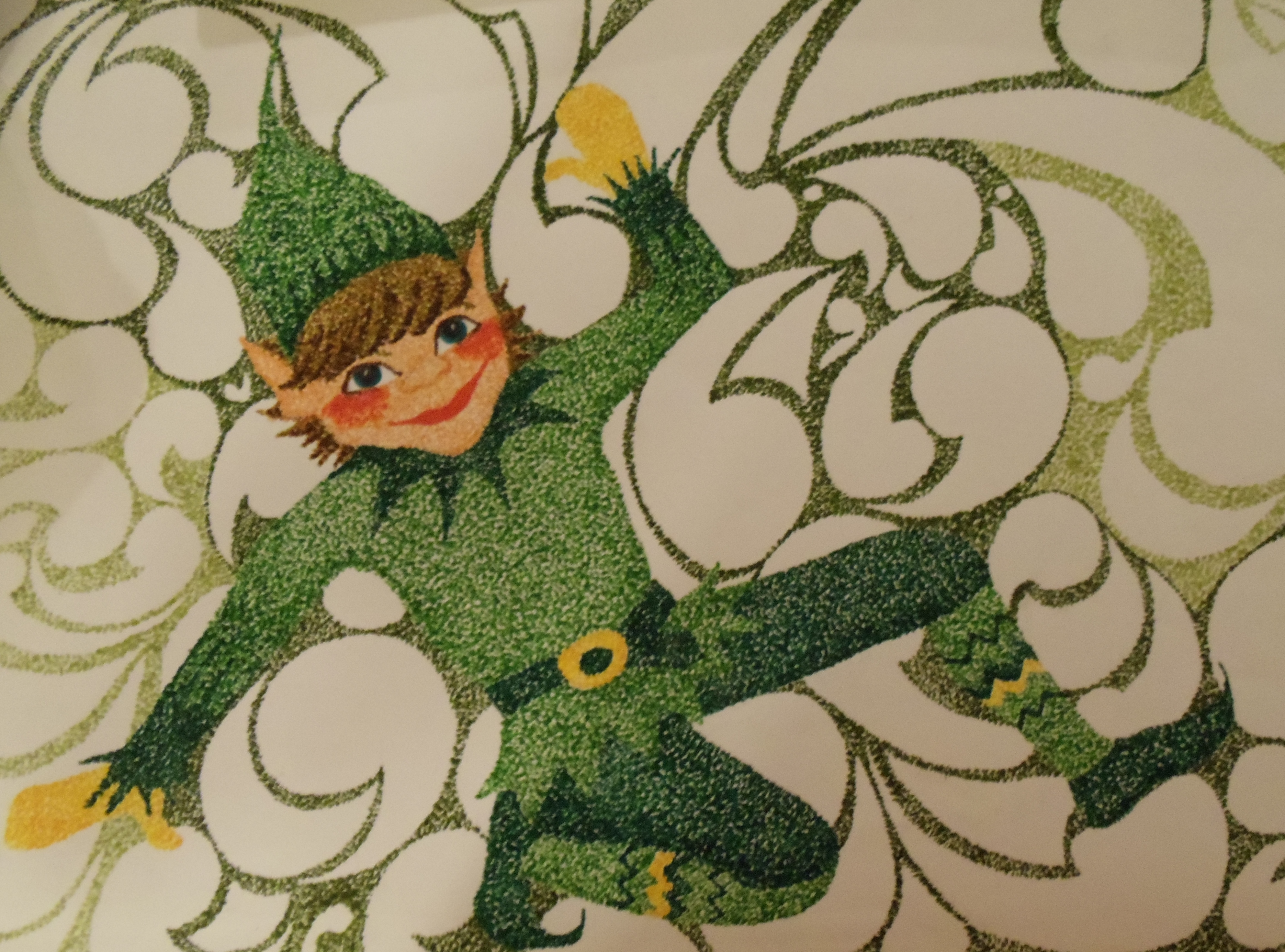
Illustration by Vicky Lorencen

Illustration by Vicky Lorencen

Once upon a long time ago, I thought I wanted to be an author/illustrator. I took a lot of art classes in high school, alongside humanities and literature classes. But when it came time to declare a major in college, I opted for English. I don’t regret that decision. It has served me well.

If nothing else, my early art dabblings have given me an even deeper appreciation for the gorgeous work produced by professional illustrators. They are the reason I (and I suspect most of us) fell in love with children’s books in the first place.

Illustration by Vicky Lorencen

Illustration by Vicky Lorencen


Soon, Frog on a Dime will be hosting two tip-top talented illustrators. I know I usually talk about writing here, but these artists are the music to our lyrics. Please come back and enjoy. I find their journeys, and their creativity, inspiring. I bet you will too.

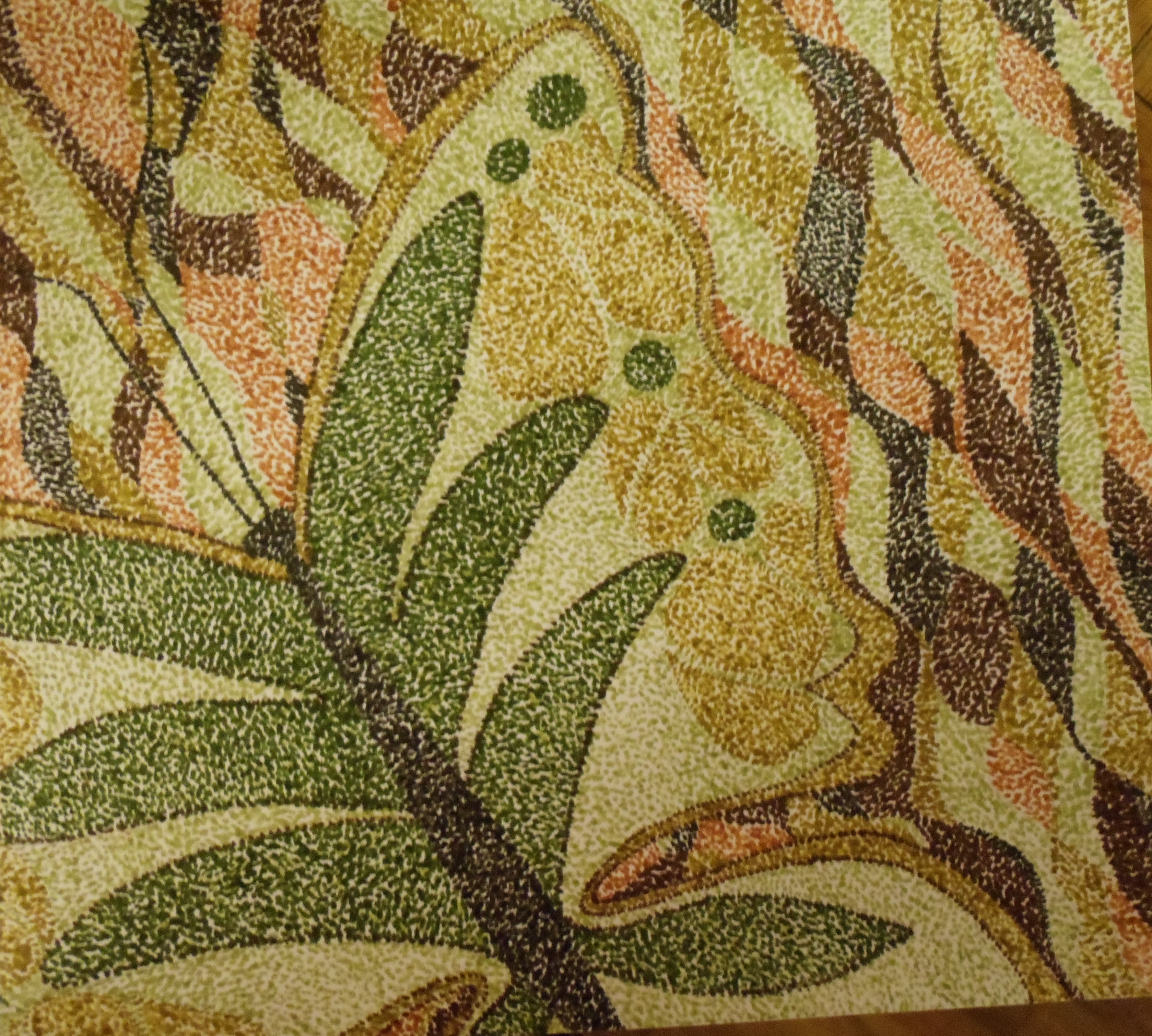
In the meantime, here’s some of my refrigerator art from once upon a long time ago–circa high school, 10th grade.

Illustration by Vicky Lorencen

Illustration by Vicky Lorencen


Illustration by Vicky Lorencen

Illustration by Vicky Lorencen


Illustration by Vicky Lorencen

Illustration by Vicky Lorencen


My life will be the best illustration of all my work. ~ Hans Christian Andersen

Accidental Treasures

Standard
Photo by Vicky Lorencen

Photo by Vicky Lorencen

This week I read a blog post by an author who shared her frustrations over a particular manuscript’s near-misses. This author’s husband towed her from melancholy by reminding her of all she’s gained amid her pursuit of a sale. The sad sack author glanced over her shoulder to see the accumulation of things—including her husband and her child—that came, at least in part, because of her publishing pursuits (regardless of the coveted contract).

Feeling inspired, I compiled my own list of accidental treasures I’ve accumulated as I push (tumble/slide/skid) toward publication.

  1. My concentric circle of friends. It is difficult for me to imagine my life without this ever-growing congregation of creative people (mostly because I don’t want to imagine it!) Every year since I got serious about writing, I’ve had the outrageous fortune of adding more smart, talented, soul-sweetening friends into my life. I could stop the list right here and be satisfied.
  2. Books and their authors. How many times have I had the pleasure of reading a book by someone I actually know? Lots. Not everybody has that in their lives. I do. I don’t have to rely on Goodreads or Amazon to tell me what to read next. I know amazing authors who faithfully produce well-crafted literature I can devour. It’s a fine system, if you ask me.
  3. Travels and experiences. The Big Apple; mountainous Montpelier, Vermont; lovely Lake George in upstate NY; charming Chautauqua, NY; homey Honesdale, PA; plus oodles of spots in my home state of Michigan (including one-of-a-kind Mackinac Island). Now, I know this isn’t exactly a list of the world’s four corners, but I loved all of these places and it’s quite likely I would have missed most of them (minus Michigan, of course) had it not been for my publishing pursuits.
  4. Frog on a Dime. Never thought I’d be a blogger, but this is fun, and I owe it all to my writing ambitions.

How about you? Stop for a moment. Look back. Look around. How is your life different–better–because of your passion for writing? You may be surprised and delighted by your own list. (You’re welcome to share it with me, if you like.)

If one advances confidently in the direction of his dreams, and endeavors to live the life which he has imagined, he will meet with a success unexpected in common hours. ~ Henry David Thoreau

why I lied

Standard
Photo by Vicky Lorencen

Photo by Vicky Lorencen

Yes, I lied. But I had a good reason. It made my life simpler.

See, ages ago, when I was college-bound, well-meaning folks asked me about my intended major. When I said, English, they’d immediately said, “Oh, you’re going into journalism, then.” And I would nod.

I was nod-lying, you know. I never intended to become a journalist. I’ve always known I wanted to be a writer–a children’s writer, specifically. But admitting that was too messy. There’d be uncomfortable follow-up questions I wasn’t prepared to answer. Or worse yet, there’d be unfounded advise or words that sounded like “How interesting,” which really meant, “That’s not a real job, Sweetheart.” And so, to avoid all that discomfort, I lied.

Learning to un-lie about my ambition was a process. While still in college, I decided to “out” myself to an English professor because it seemed relatively safe. The good thing was, he took me seriously. In a letter of recommendation, he wrote (among other things), “I believe Vicky’s chances of success with her chosen profession are better than most because she is willing to define herself so exactly.” That experience bolstered my courage–a tad.

I endured lots of awkward, sidestepping conversations before I could say, “I’m a writer and I want to write for children,” without first weighing the potential for quizzical looks. But you know what? Telling on myself was freeing. Making my dreams known opened up connections with once-unknown-to-me children’s authors in my own community, allowed me to grow, to network and to uncover resources to advance my pursuits toward publication.

Now, back to that nod-lying I’d mastered long ago, it turns out that skill can be re-warmed and re-applied (minus the actual lying part, which is nice). When you say, “I’m working on a children’s book,” and someone starts in with all of their well-meaning advice, you can simply smile and nod. They’re just being kind because they’re excited for you. You are pursuing your dream–and extraordinary dream–and that excites people and makes them want to help you (even if they don’t know what the heck they’re talking about). And that’s cool. Those are among the people who will be celebrating with you when your book comes out.

Please try being honest about your ambitions and what’s in your heart.  You will be amazed by how liberating and energizing it will be. Good things and great people will find you as a result.

Before I let you go, you want to try that nodding thing with me? Sure you do. Go ahead try it. Turn up the corners of your mouth and bob your head gently up and down. Don’t overdo it. We aren’t going for bobblehead, just polite recognition of what’s being said to you. Now, wasn’t that easy? (Ahem. That’s your opportunity to practice nodding and smiling.)

Don’t bend; don’t water it down; don’t try to make it logical; don’t edit your own soul according to the fashion. Rather, follow your most intense obsessions mercilessly. ~ Franz Kafka

now taking applications

Standard

Apply within

Apply within

Hear that? The buzzer went off. It’s time to start a new middle grade novel and I’m trying something different. I’m conducting interviews of the people who hope to populate my story.

My goal is to become better acquainted with my already-identified main character as early in the novel-writing process as possible. Why? Well, for one thing, that kid and I are going to spend a heck of a lot of time together. But also, knowing him allows me to anticipate how he’ll think and feel in the situations I’ll plot for him.

Based on the interview outcomes for each player–primary and secondary–I’ll compile character sketches. Each character has a job to do and I want to make sure they’re up for it. Slackers need not apply!

Oh sure, my characters will surprise me as we go–and that’s the fun part–but I hope hosting a meet and greet for the entire cast at the outset proves helpful before we buckle up and motor into the unknown together.

Here are some sample character interview questions:
Who is your hero?
What’s your favorite day of the week? How come?
What’s under your bed?
What’s your earliest memory?
Do you have any allergies?
What candy is your all-time favorite?
If you could change your name, what would it be?
What’s your biggest fear?
What are you good at in school?
What do you wish you were good at?
When you look in a mirror, what part of your face do you like best?
What do you like to do when you get home from school?
Do you have a pet?
Do you have brothers or sisters?
How do you parents get along?
Who lives at your house?
What’s the best vacation or trip you’ve ever taken?
What seems unfair to you?
If you could live in another time in history, when would it be?
What ticks you off?
What rule would you change if you could?
What would happen if your best friend moved away?
What’s your least favorite chore at home?
Do you have a bad habit?
Do you like being hugged?
What would you do with $100?

These are just some starters. I know you can think up even better ones.

Why not interview your characters too? Even if you’re already mid-novel, it’s not too late to conduct an impromptu Q and A session. You may discover something that will add depth or quirkiness to your characters and “maybe” even help to explain why they do what they do (or aren’t cooperating!)

Have fun!

Every time I write a new book, I want to push myself to try something different. ~ Lauren Myracle

i was born in the year of magic

Standard

Happy March! Can you feel the magic?

Vicky L. Lorencen's avatarWelcome to Frog on a Dime

frog in top hat I was born in the year of magic. Not many people can say that, but I can. March 4, I’m celebrating my first 50 years. When I was born, amazing things were bubbling up in the realm of children’s literature. Beloved books like Where the Wild Things Are by Maurice Sendak were published in 1963. I have no concrete evidence to connect my devotion to children’s books to the time I was born, but who’s to say otherwise? And just so you know, Theodor Geisel (aka Dr. Seuss) was born in March too–if that helps to convince you.

The 1960s were what I consider the golden age of children’s literature. Picture books we now consider classics like The Very Hungry Caterpillar by Eric Carle, The Snowy Day by Ezra Jack Keats, Go Dog Go by PD Eastman and Bedtime for Frances by Russell Hoban were enjoyed by parents and children…

View original post 260 more words

making nice with the colonoscopy of the literary world

Standard

Photo & Collage by  Vicky Lorencen

Photo & Collage by
Vicky Lorencen

Be look-me-straight-in-the-eye honest . . .

If Synopsis sent you a Friend Request on Facebook, would you reply?
If you were mandated by law to have dinner with either Synopsis or a bagpipe-playing bulimic zombie, which one would you choose?
If Synopsis offered you an all expenses paid vacation to a secluded island paradise, would you go, if he had to share your bungalow?

If you answered:
No. Automatic decline.
Zombie. No doubt.
No way!
You are in the majority.

Poor Synopsis. He’s the colonoscopy of the literary world–you know you need to do it and it’s important, but you want to avoid it for as long as humanly possible. Just thinking about it makes you tense up.

The only one who actually likes Synopsis is Query Letter, because compared to Synopsis, he seems fun to be with.

So, seeing as we are all grown-ups here and knowing we will all have to face down Synopsis sooner or later–at a party, in an elevator or even in our office–let’s find a way to make nice, shall we?

Here are the bare bones basics for getting along with Synopsis (at least as I understand them). Think of it as Synopsis Etiquette 101.

Some authors like to create a chapter by chapter synopsis, but I prefer the kind that simply follows the high points, main characters and natural plot arc of the story. It’s really up to you. (Whenever possible, check to see what the recipient of your synopsis would prefer. A lot times you can find this info in a publisher’s or agent’s submission guidelines.)

Unlike jacket flap copy that teases the reader, a synopsis has to the spill the beans. Yes, you have to tell how your story ends, and how any of the major plot points you mention resolve themselves. Editors want to know you can bring a story to a satisfying conclusion. Sure, it seems counterintuitive to give away the ending when you want to lure someone into reading your work, but editors aren’t interested in being tempted. They want to be told. Not only does a complete synopsis tell the ending, it tells the editor you’ve completed a fully realized plot.

A synopsis is written in present tense. (Be sure to read your completed synopsis out loud to help you catch any tense lapses.)

Regarding formatting:

A synopsis is typically single-spaced, with double lines between the paragraphs.

Always use one-inch margins.

I would put the title in all caps, and then add the word Synopsis centered beneath it.

Depending on the desires of the editor or agent, you may need a one or two page synopsis. If you can do it justice with one page, then I think that’s fine.

There now. That wasn’t so bad, was it? Getting along with Synopsis takes practice and patience (and sometimes pharmaceuticals, as directed), but I have faith you two will find a way to make peace before you file for a restraining order.

Story is honorable and trustworthy; plot is shifty, and best kept under house arrest. ― Stephen King

oh, okay, you can take a peek

Standard

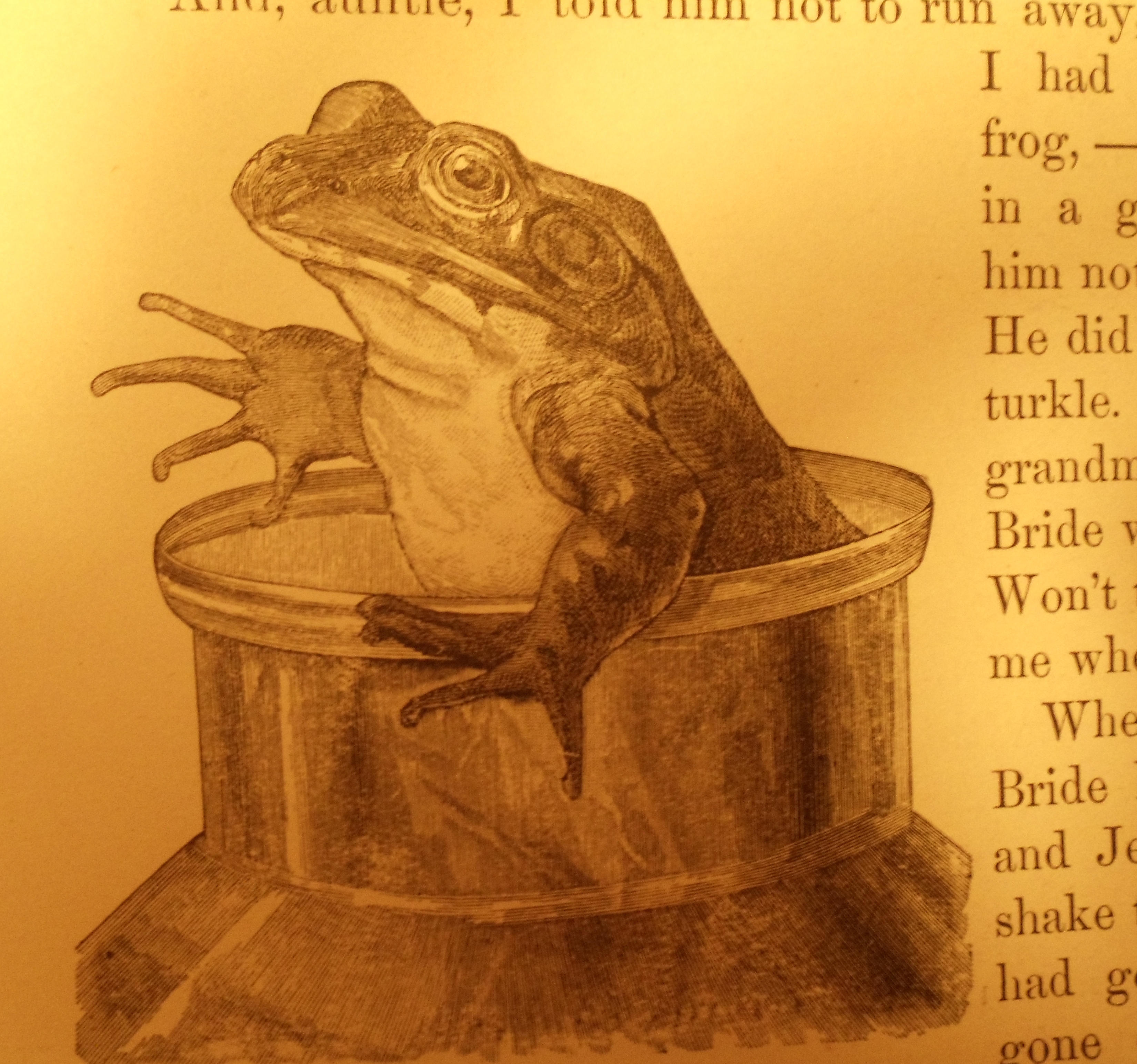
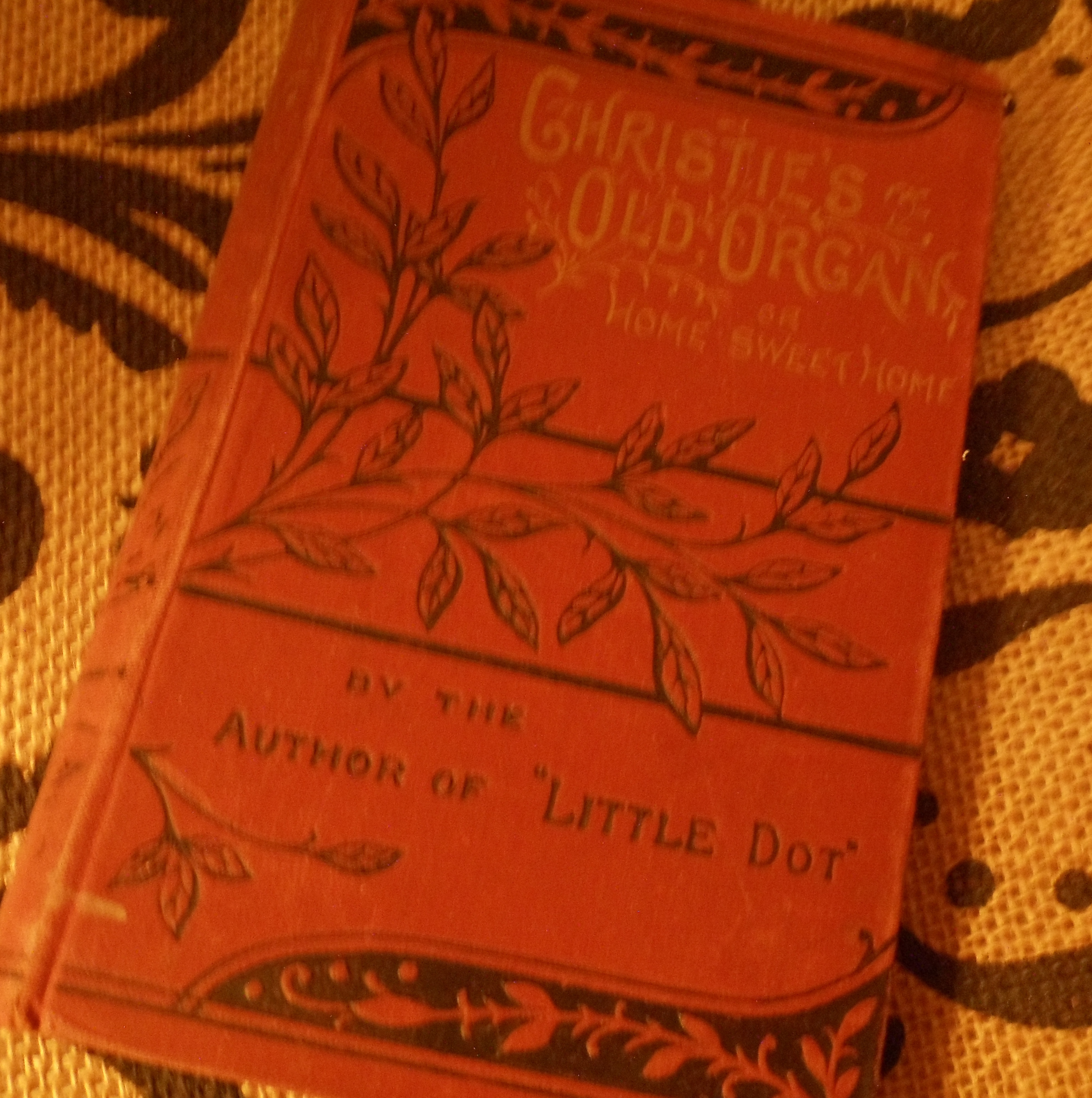
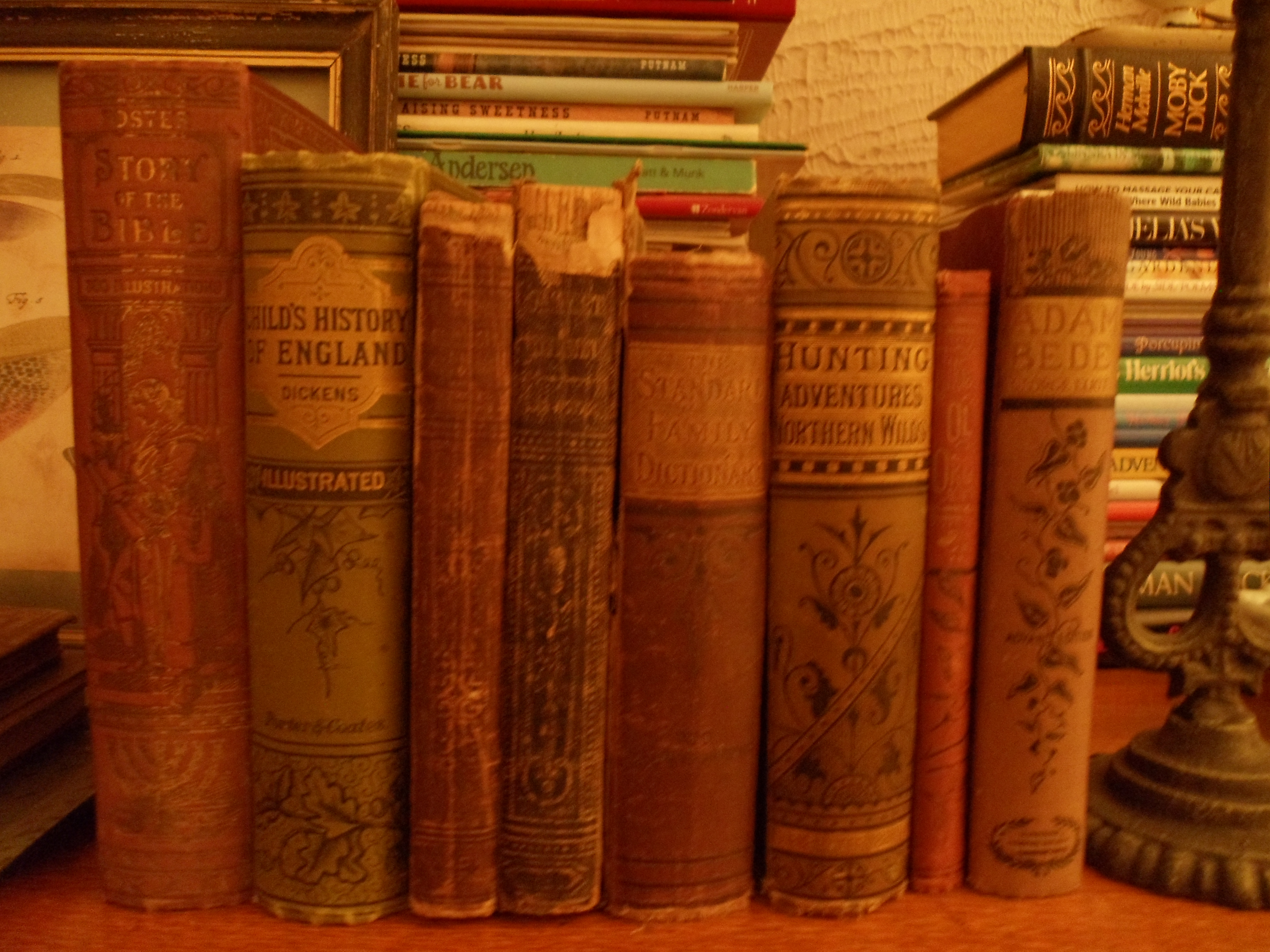
DSC02703When I was a freshman at a little liberal arts university in Indiana, I worked in the campus library. There I was given the privilege of rehabilitating antique books housed in the library’s tiny archives. Pulling on white cotton gloves, I dabbed a lanolin-based concoction on the poor old spines, backs and faces of leather-bound books to prevent “red rot” (or deterioration of the leather into a red powder).

DSC02709

Looking back, I guess you could say I was a book masseuse. Mind you, I had no formal training. I have no idea what possessed the librarian to be so trusting. Perhaps no one else wanted to sit in the dim, musky, climate-controlled room swabbing long-forgotten volumes. Or maybe Miss Holcalm could see how much I respected and loved the books. Then again, I was a freshman. She could have told me to go dust the dictionaries page-by-page and I would have done it.

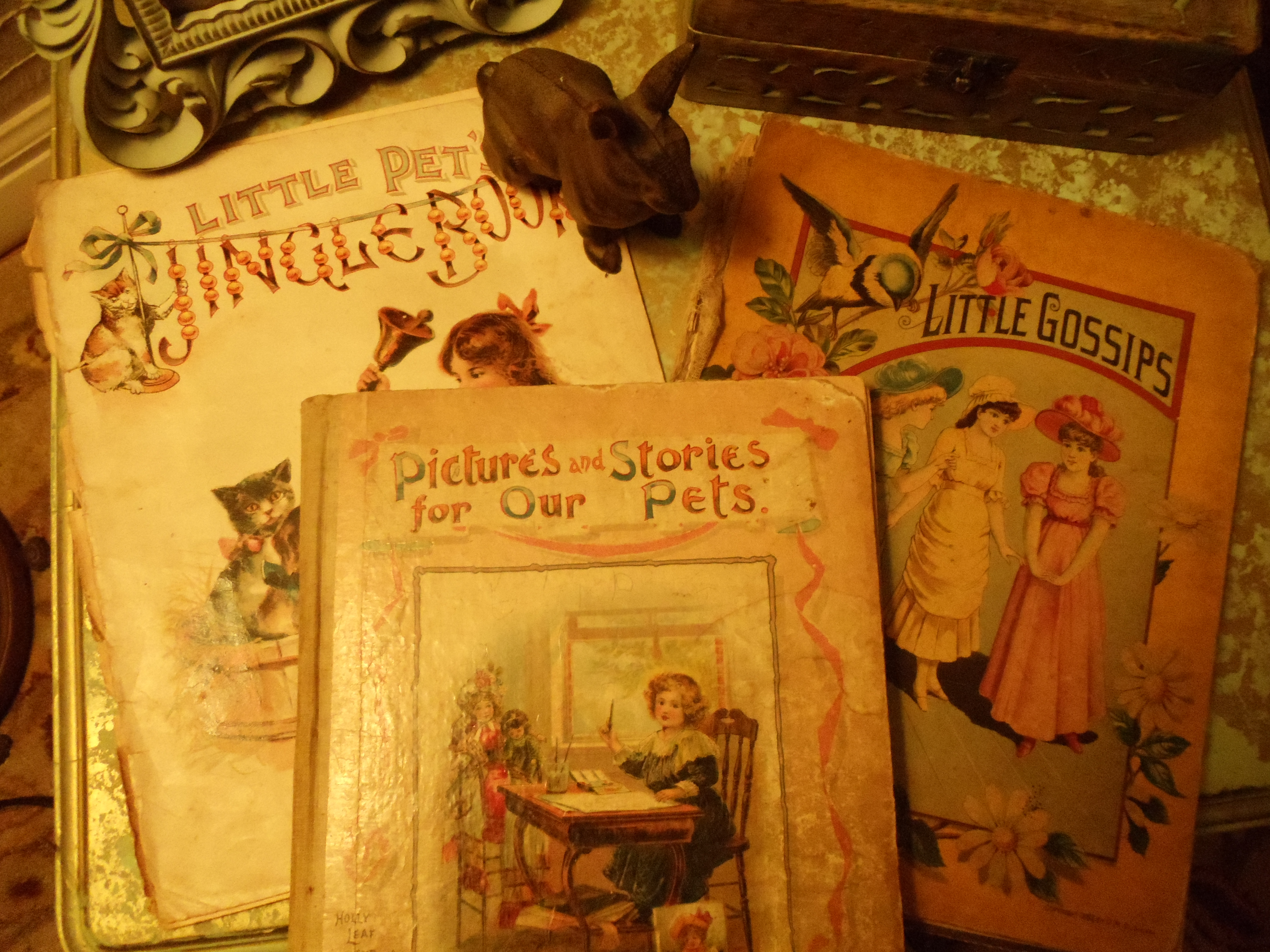
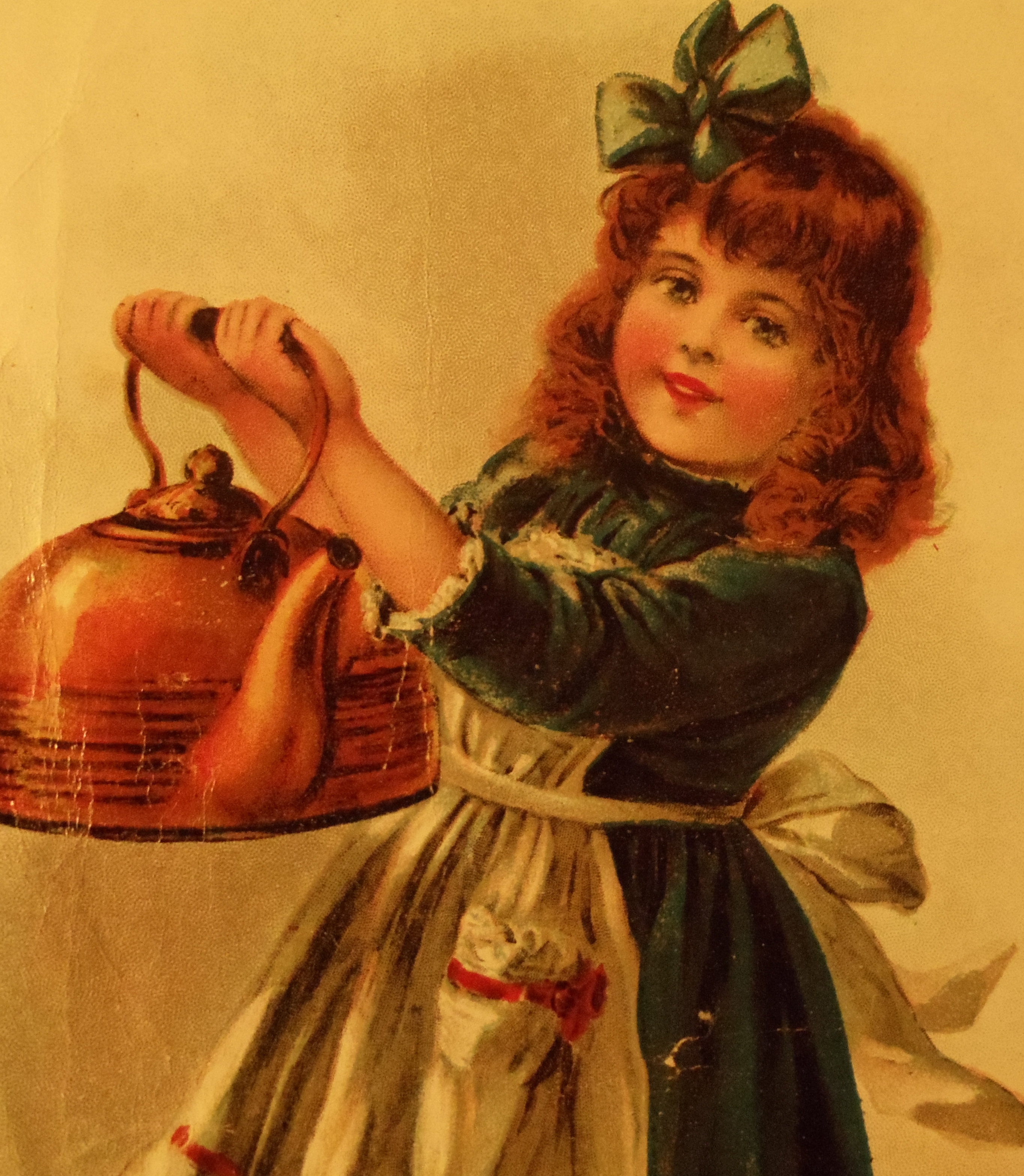
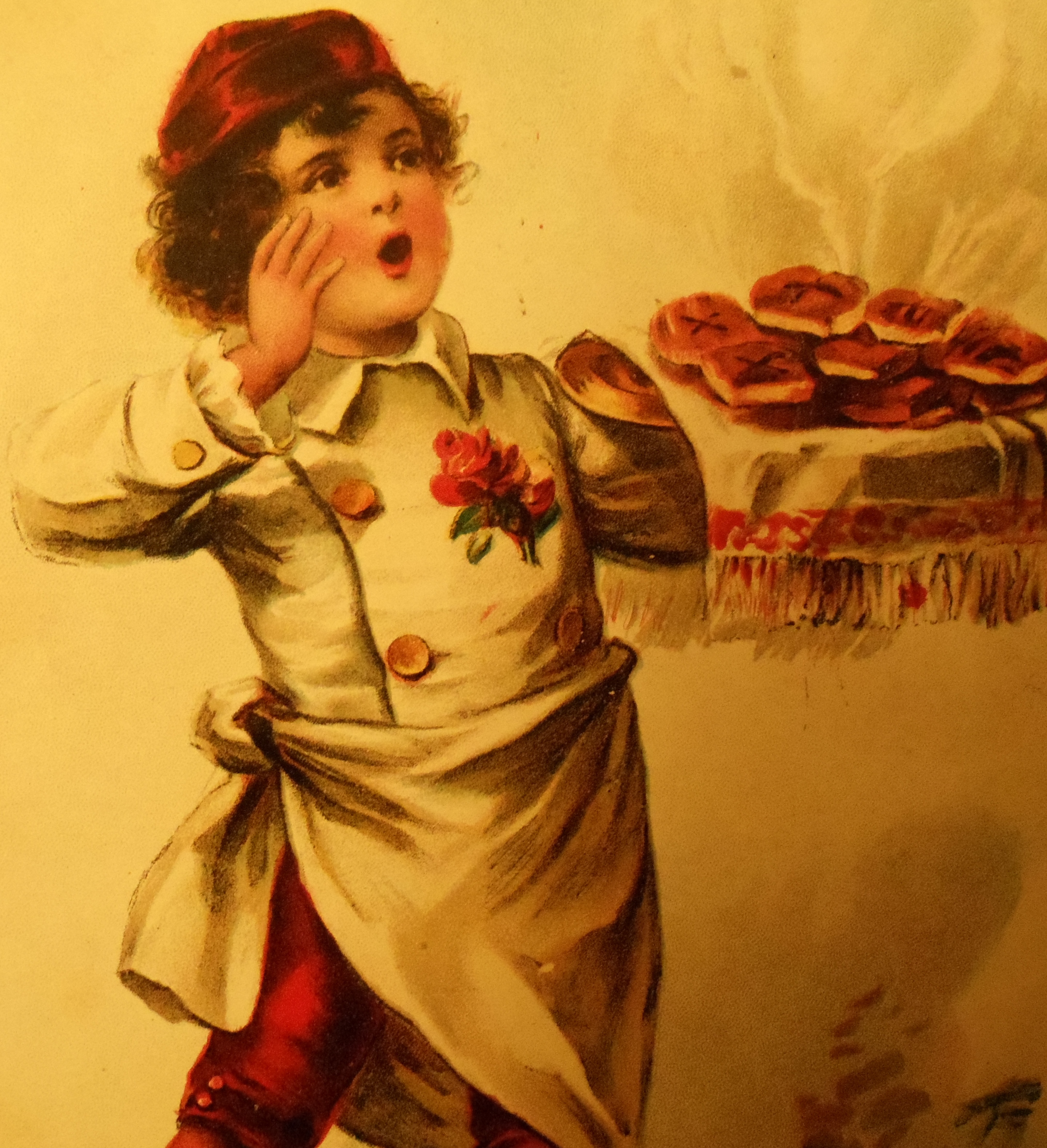
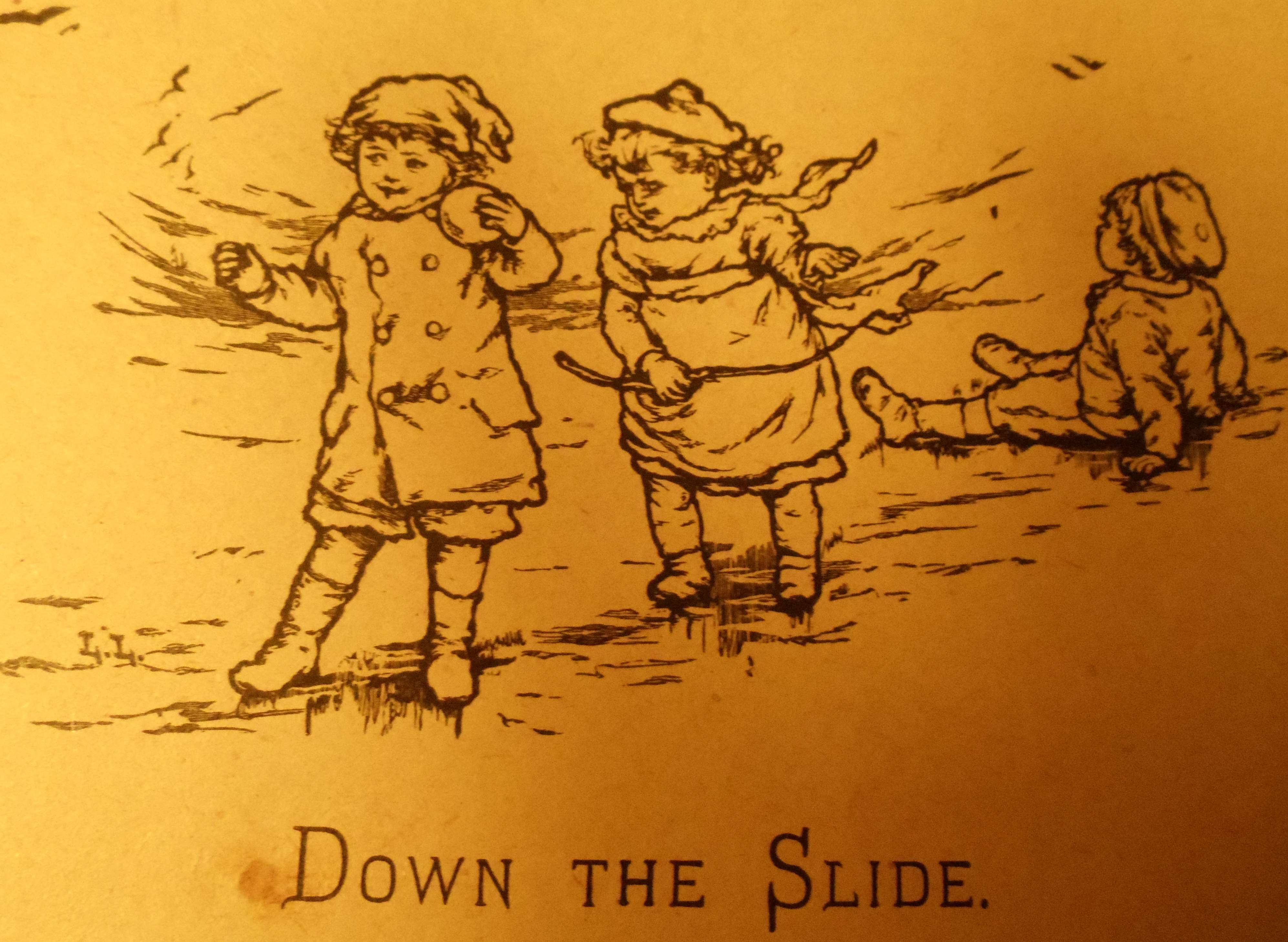
Knowing what you now know about me, you can understand why I was so thrilled when my husband brought home an entire box of antique books from his parent’s house. Dating back to the 1800s, these beauties with their embossed covers and intricate cover art and illustrations, are treasures. Here. Take a peek . . .
DSC02711
Loving children’s books as I do, I was delighted to carefully look through the charming illustrations and think about the little girl who once prized them.
DSC02696
DSC02705
DSC02704
Old books exert a strange fascination for me — their smell, their feel, their history; wondering who might have owned them, how they lived, what they felt. ~ Historical Novelist Lauren Willig
DSC02701