Author Archives: Vicky L. Lorencen

ready to get steamy?

Standard

Frog in the fog

In the inspirational little book 212 Degrees, The Extra Degree, bestselling authors Sam Parker and Mac Anderson explain: “At 211 degrees, water is hot. At 212 degrees, it boils. And with boiling water, comes steam. And steam can power a locomotive.”

I love this simple metaphor because it reminds me of what’s possible, if I’m willing to consistently apply just one extra degree of effort beyond my normal routine.

It’s related to what Carl Holmes calls the “And-then-some-syndrome.” It’s all about doing what’s expected, and then some.

I’ll be honest. I don’t always want to do what’s expected (or at least what I expect of myself writing-wise), let alone “and-then-some.” Some days I’m lucky to put finger to keyboard. Funny thing is, I’ll go out of my way for my family and friends or my boss and coworkers, but I’ll feel guilty carving writing time for myself. I truly believe we need to put others first, but does that mean I have to put my dreams second–or 999th? Shucks. Course not.

This week I’m challenging myself to pour on the steam with my writing time–by one sensible, do-able degree–guilt-free. I’m going to write four pages–and then some–this weekend (and the next, etc.). What can you do to turn the knob one degree to the right to crank up some heat?

Not sure?

Let me entice you.

If you go to my contact page by Friday, April 19, and tell me how you’re going to turn up the heat on your writing life by one degree this week, you’ll be entered to win a FREE copy of “212 Degrees.” I’ll be delighted to send it to you with my compliments. It’s a quick read that could have a lasting impact on your attitude toward your writing pursuits.

Ready to get steamy?

Many of life’s failures are [people] who did not realize how close they were to success when they gave up. ~ Thomas Edison

top 3 reasons why critique groups rock

Standard

writing frogs
Why oh why did I wait so long? I wish I’d jumped into a critique group ages ago. But I’m so glad I took the leap!

My top three reasons why critique groups rock . . .

1. Critique group members hold you accountable.
I won’t lie. As much as I love writing, I truly need deadlines to keep me moving at a steady pace. I’m too good at “writing” excuses for myself. Those excuses greedily gobble up my writing opportunities, in favor of oftentimes less honorable enterprises (like watching TV. Ugh!) Knowing my critique group is ready to give me feedback, in exchange for merely meeting my deadline, motivates me to better align my priorities and quit twiddling around already.

2. Critique groups encourage you.
Writing is tough enough. When you add the pursuit of publication to equation, with its inevitable rejections, the process can be pretty painful. Being part of a gang of empathetic travelers who are uniquely equipped to offer roadside assistance when your tires are punctured or shredded is such a perk. More like a perk on steroids. It’s amazing.

3. Critique group keep you honest.
When you go solo, it’s easy to get a tad delusional. Speaking for myself, it’s easy to fall in love with the rhythm of my own words. My critique group helps me to “de-precious” my work. With their help, I can face it in a cool, objective light. Just like all green things, including my budding manuscript, light is essential for growth. If I leave my manuscript buried under a rock, it’ll be safe alright, but there’s no room for growth in a dark place. I say arm your critique group with lanterns, flashlights filled with lithium batteries and torches. You may need to wear shades to your next meeting, but it’s worth it.

Are you still group-less? Let Frog on a Dime encourage you to hop in! What are you “wading” for? (Oh, great. I know my critique group is going to bust me for the bad puns!) Let this article from Harold Underdown’s “The Purple Crayon” site help you get a jump on it.

One last thing . . . my warmest thanks to Monica, Jennifer, Cathy, Kris, David and Mindy. You’re the reasons why our group rocks!

Criticism is the windows and chandeliers of art: it illuminates the enveloping darkness in which art might otherwise rest only vaguely discernible, and perhaps altogether unseen. ~ American drama critic and editor George Jean Nathan

meet debut PB star kris remenar

Standard

Kris Remenar with illustrator Matt Faulkner
Kris Remenar with illustrator Matt Faulkner

KristenwithkidsFrog on a Dime is all about encouraging writers. Today I’m delighted to introduce my very first guest . . . the incomparable Kris Remenar, debut author, children’s librarian and one of my personal cheerleaders.

Welcome to Frog on a Dime, Kris.

Thanks for inviting me over, Vicky!

So, when did you know you wanted to become a writer?

I knew I wanted to be a writer when I was eight. I won my first writing contest in second grade. I wrote about stranger danger (even as a child, I went for the controversial topics.) I gave my stories as gifts when I was in middle school and took independent creative writing classes in high school. Then, I entered a writing contest my senior year of high school and didn’t even earn an honorable mention. I thought I’d “outgrown” my talent. So, I stopped writing for years until I became an elementary teacher. As a teacher, I modeled writing for my students and I felt like a long-lost friend had returned. I joined SCBWI in 2000 and I’ve been working on my writing ever since.

What is it about writing for children, specifically, that appeals to you?

I like the freedom of it. Groundhogs can talk, hippos can fly. And almost always, there’s some sort of happy ending. Kids’ books are hopeful.

I tend to write (and think in) picture books. I’ve begun writing my first YA novel, and it’s a little overwhelming to grapple with hundreds of pages instead of 32, but I’m digging watching the characters unfold at deeper levels.

You’re had an exciting development in your writing career recently, can you tell us about the day you got “the call” from Charlesbridge—and don’t skimp on the details!

February 2, Groundhog’s Day, is my birthday. I was at the library at my job as a children’s librarian. My editor, Yolanda Scott, and I had been through two rounds of revisions on a manuscript, but I hadn’t heard back from her in over a month and I figured she was trying to find a way to gently break bad news. The smallest, bravest part of me dared to wonder if I’d get “the call” about my manuscript that day because the story is about Groundhog’s Day and I liked the synchronicity of it all. The superstitious part of me didn’t want to jinx it by thinking about it, and the hugely self-doubtful part of me said “prepare yourself for another rejection.”

Yolanda was away from her office speaking at a conference, it was a Saturday, I had no right to hope she’d call that day. But she did call, around 4 p.m., and I grabbed my phone to run to the back offices. When Yolanda told me that Charlesbridge wanted to acquire my book, this amazing, breathless, telescopic feeling came over me. The eight-year-old me, the twelve-year-old me, the twenty-nine-year-old me, all the me’s who had waited for this day felt elated and justified in putting forth the effort over all the years. And it felt like “of course the call came at this time from this supportive, generous editor.” I couldn’t have plotted it better if I’d tried.

That’s amazing, Kris! Congratulations! I was actually listening to Yolanda present at the SCBWI conference the day you got the call. I enjoyed hearing Yolanda, have I to admit I was distracted because I kept thinking—stop presenting, Yolanda, and call Kris already!

I predict your story is going to give encouragement to a lot of writers, especially since you were able to land your first contract without an agent. What advise would you give to someone who has been pursuing publication for a long time, with close calls, but no contracts?

Keep going! It took me 12 years from the time I sent out my first manuscript to the time I finally sold a book. If I had called it quits after 5 years, or after 10, I never would’ve received “the call.”

I have to ask . . . how did you keep going for 12 years?

Have you heard that quote “writing makes me crazy, not writing makes me crazier?” I kept writing because characters talked in my head, or I’d have a flash of a scene in a dream that I just had to put on paper. Being a member of SCBWI and having the camaraderie of those who get that, and who never said that writing for children is “sweet,” made the years of rejection bearable.

Thank you so much for sharing your story, Kris. You are a true encourager!

Be sure to watch for the debut of Kris’ picture book in fall of 2015–illustrated by wonderful illustrator Matt Faulkner (who is also Kris’ husband!). You can count on Frog on a Dime to celebrate that exciting event.

And to wrap things up, Kris’ favorite quote . . . If there’s a book you want to read, but it hasn’t been written yet, then you must write it. – Toni Morrison

Bonus Information! Kris blogs about picture books and ways to use them in the classroom to teach the Common Core State Standards. You can check out her recommendations.

three cheers for cheerleaders

Standard

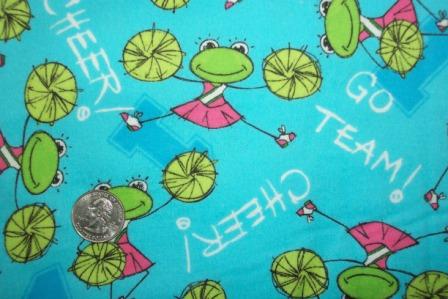
Frog fabricHere comes a shocker: I was never a cheerleader in high school (or college for that matter). I know. I know. Truly mind-boggling, isn’t it?

Truth is, I never really cared about being a cheerleader, at least not when I was younger. But now, here I am at age 50, wanting to be a cheerleader. Now, I don’t mean the teensy skirt wearing, pony tail swirling, pom pom shaking variety. I want to be an encourager. That’s really why I started “Frog on a Dime” in the first place, to be an encouragement to writers like me who could use a boost now and then (and by “now and then,” I mean most of the time!)

If anyone on this planet can appreciate the power of an encouraging word, it’s writers, wouldn’t you think?

Who in your circle of writing friends could use a word of encouragement from you? Go ahead. Make a list of your top three. I’ll wait.

1.

2.

3.

Okay, that’s a great start!

What could you say to them this week that would empower them as they pursue publication? What words would help to unstop their writers block or bolster their confidence to start fresh? You have a lot of power as a writer. Channel it. Use it to make someone’s way brighter. You know what supportive words have done for you. Pass it on.

Let me encourage you to send that text or email or handwritten note today. It’s never too late to be a cheerleader.

Our chief want is someone who will inspire us to be what we know we could be.― Ralph Waldo Emerson

focusing on the write thing

Standard

My "cheerleader," Cynthia Leitich Smith

My “cheerleader,” Cynthia Leitich Smith

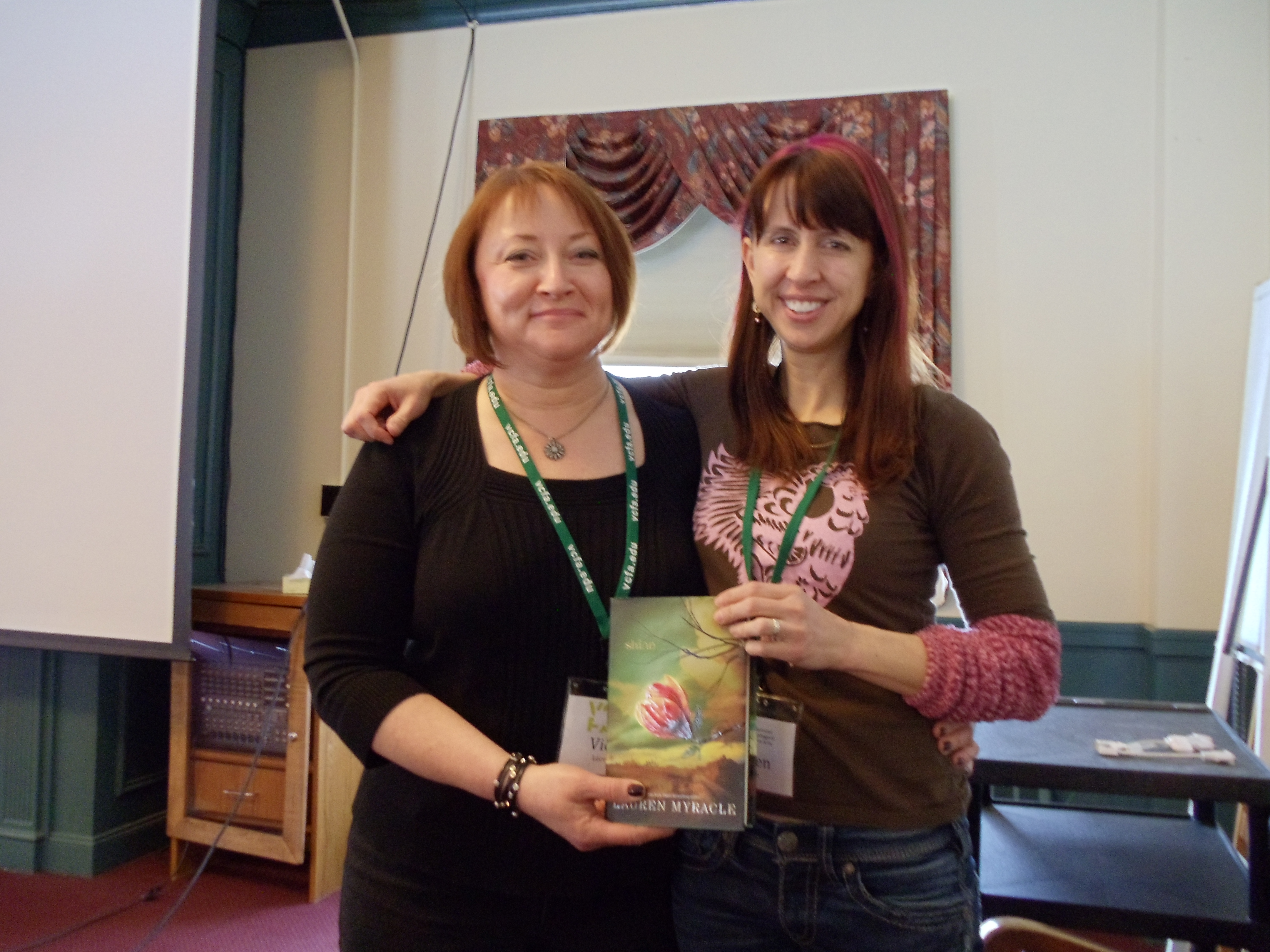
My "cheerleader," Lauren Myracle

My encouraging retreat critique group--Ann Finkelstein, Anna Boll, me and Lori Steel

My encouraging retreat critique group–Ann Finkelstein, Anna Boll, me and Lori Steel

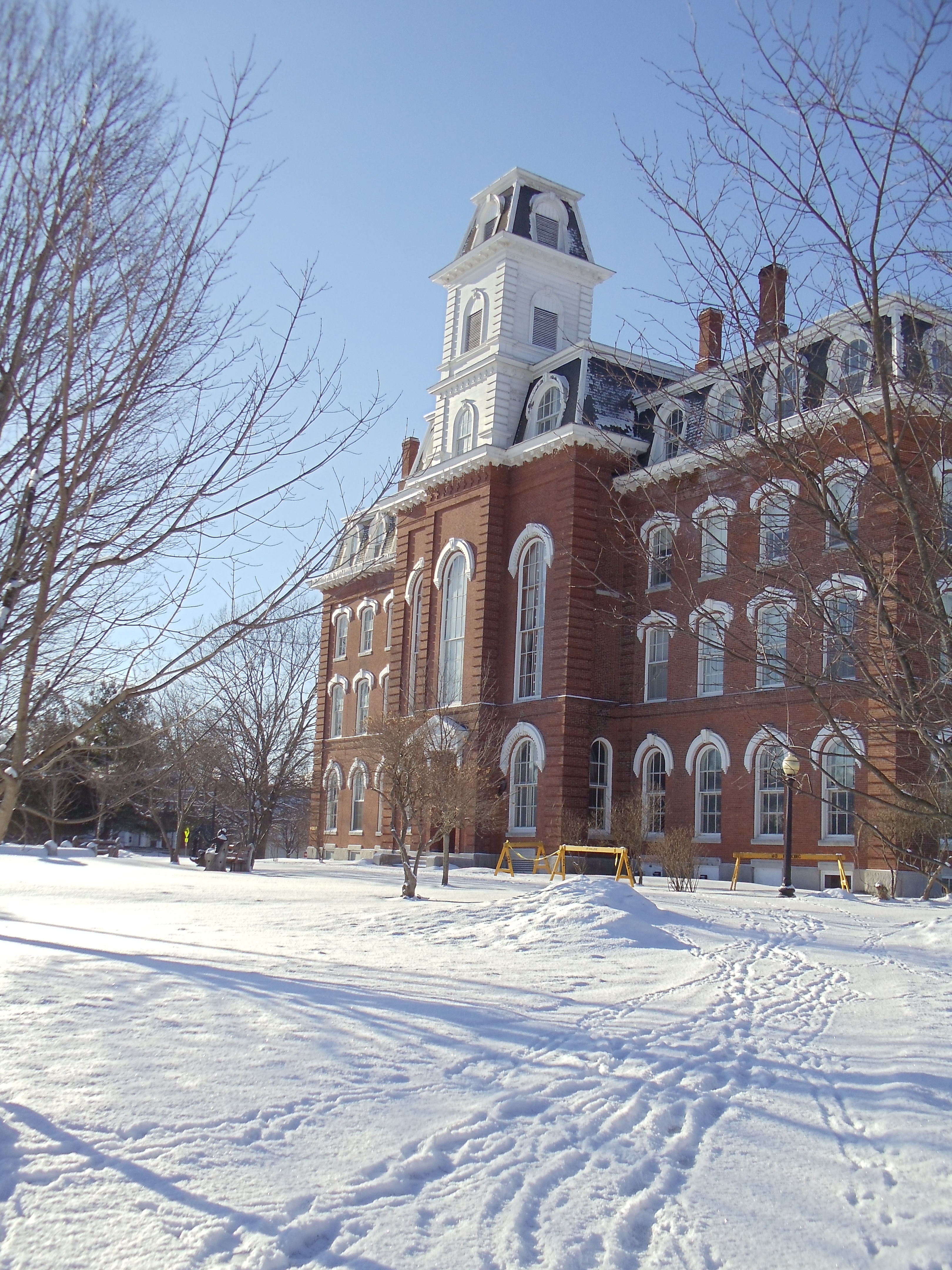
Vermont College of Fine Arts

Vermont College of Fine Arts

Someone once told me that the way detectives learn to spot a counterfeit is to study the original. The more familiar they are with, say a real $100 bill, the easier it is to see the differences in a fake. In other words, they focus on the good, not the bad.

This weekend I participated in a retreat for writers of novels for children and young adults at Vermont College of Fine Arts in Montpelier. Now, I’ve been to lots of writing conferences and workshops over the last decade, but what set this experience apart was the emphasis on the positive. Retreat organizer Sarah Aronson told us at the outset that when we receive a critique we should not discount the good comments we receive.

Too often that’s just what I’ve done. I think to myself, This person is only saying kind things to let me down gently before the hammer falls. But Sarah encouraged us to really listen to the observations about what we’re doing well. The good bits are, after all, the parts we want to create more of, right? By concentrating on recognizing my authentic writing voice, not the counterfeit, I’m better able to hear the difference between what’s true and what’s tinny. Sarah’s advise made all the difference for me. I soaked up the good comments, not to pump my ego, but to learn how to make progress.

It goes without saying, but here I go saying it, that this doesn’t mean I get to ignore the parts of my work that need, well, work. (Some of it is downright stinky. Get the clothes pins please!) And sure, it’s essential to listen to constructive criticism, to consider the suggestions of others and to welcome even hard-to-hear feedback. But allowing myself to accept words of specific affirmation has caused me to see my abilities in a whole new light. I’m better able to see what’s possible, instead of thinking, this is impossible.

As a result of embracing the positive, when our amazing presenters like authors Cynthia Leitich Smith or Lauren Myracle or Candlewick editor Andrea Tompa humbled me with kind words, I could thank them. Was I shocked? Okay, yes. But I was still able to thank them instead of waving the words away.

I came home from the retreat feeling rejuvenated. My faith in my abilities was bolstered a bit and I can honestly say I feel hopeful for the first time in a long time. I am energized, instead of deflated. WOW, does that feel good!

You may not be able to escape to a writers retreat in the mountains of Vermont (I’m still stunned that I was able to!), but let me encourage you to adopt the same shift in focus. You will be amazed at the difference it can make. I’m positive of that.

You’ve got to accentuate the positive, eliminate the negative, latch on to the affirmative, don’t mess with Mister In-Between. – Johnny Mercer

I was born in the year of magic

Standard

I was born in the year of magic. Not many people can say that, but I can. 

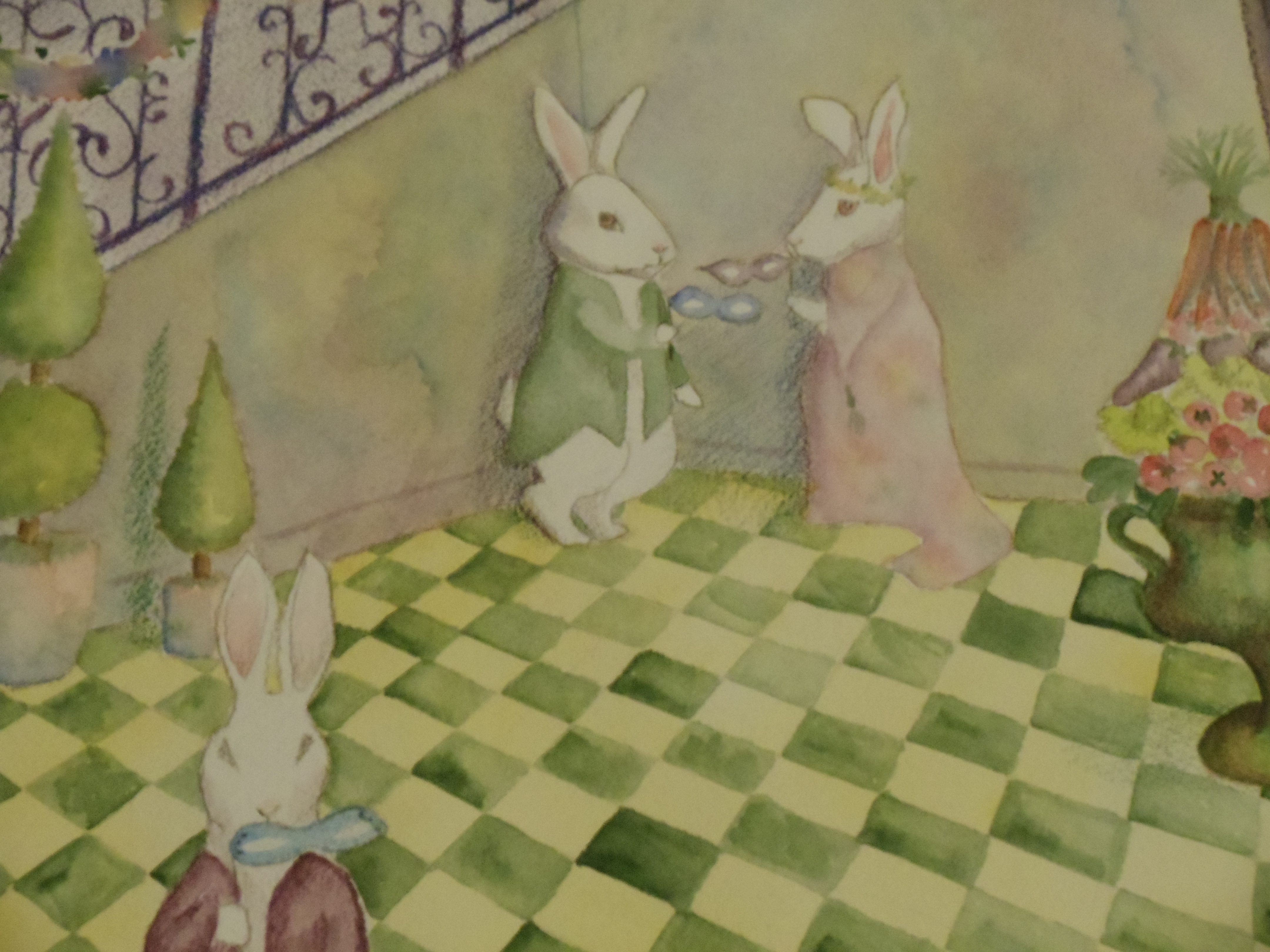
Watercolor by Vicky L. Lorencen

When I was born on March 4, 1963, amazing things were bubbling up in the realm of children’s literature. Beloved books like Where the Wild Things Are by Maurice Sendak were published in 1963. While I have no concrete evidence to connect my devotion to children’s books to the time I was born, who’s to say otherwise? (And just so you know, Theodor Geisel (aka Dr. Seuss) was born in March too–if that helps to convince you.)

The 1960s were what I consider the golden age of children’s literature. Picture books we now consider classics like The Very Hungry Caterpillar by Eric Carle, The Snowy Day by Ezra Jack Keats, Go Dog Go by PD Eastman, Amelia Bedelia by Peggy Parish, and Norman Bridwell’s Clifford the Big Red Dog and Bedtime for Frances by Russell Hoban were enjoyed by parents and children for the very first time. Junior high students feasted on freshly published novels we now cherish like Island of Blue Dolphins by Scott O’Dell, Charlie and the Chocolate Factory by Roald Dahl and A Wrinkle in Time by Madeleine L’Engle.

Regardless of the era in which we are born or the format in which books are produced, I hope (and believe) children’s literature will always have an honored place in childhood. At an SCBWI National conference, I heard children’s novelist Margaret Peterson Haddix talk about the difference between the books we read as children and those we read as adults. She observed that as children we devoured our books. If we loved a book, we read it over and over and over again. We memorized it, pondered on it and carried it with us, in our small hands and in our hearts.

And Ms. Haddix is right. As children we build a cozy fort in our hearts for the books we love. Maybe it’s because as adults, fiction is a mirror of our experiences, but for children, books are our streak-free windows. They help us see and experience things for the very first time. And to a child, that feels like magic.

I was born in the year of magic. By re-reading the stories of my younger years and creating new ones, I plan to keep my inner child happy for many year to come.

I grabbed a pile of dust, and holding it up, foolishly asked for as many birthdays as the grains of dust, I forgot to ask that they be years of youth. ― Ovid, Metamorphoses

visiting grand central station “library”

Standard

Inside Grand Central Station

Inside Grand Central Station

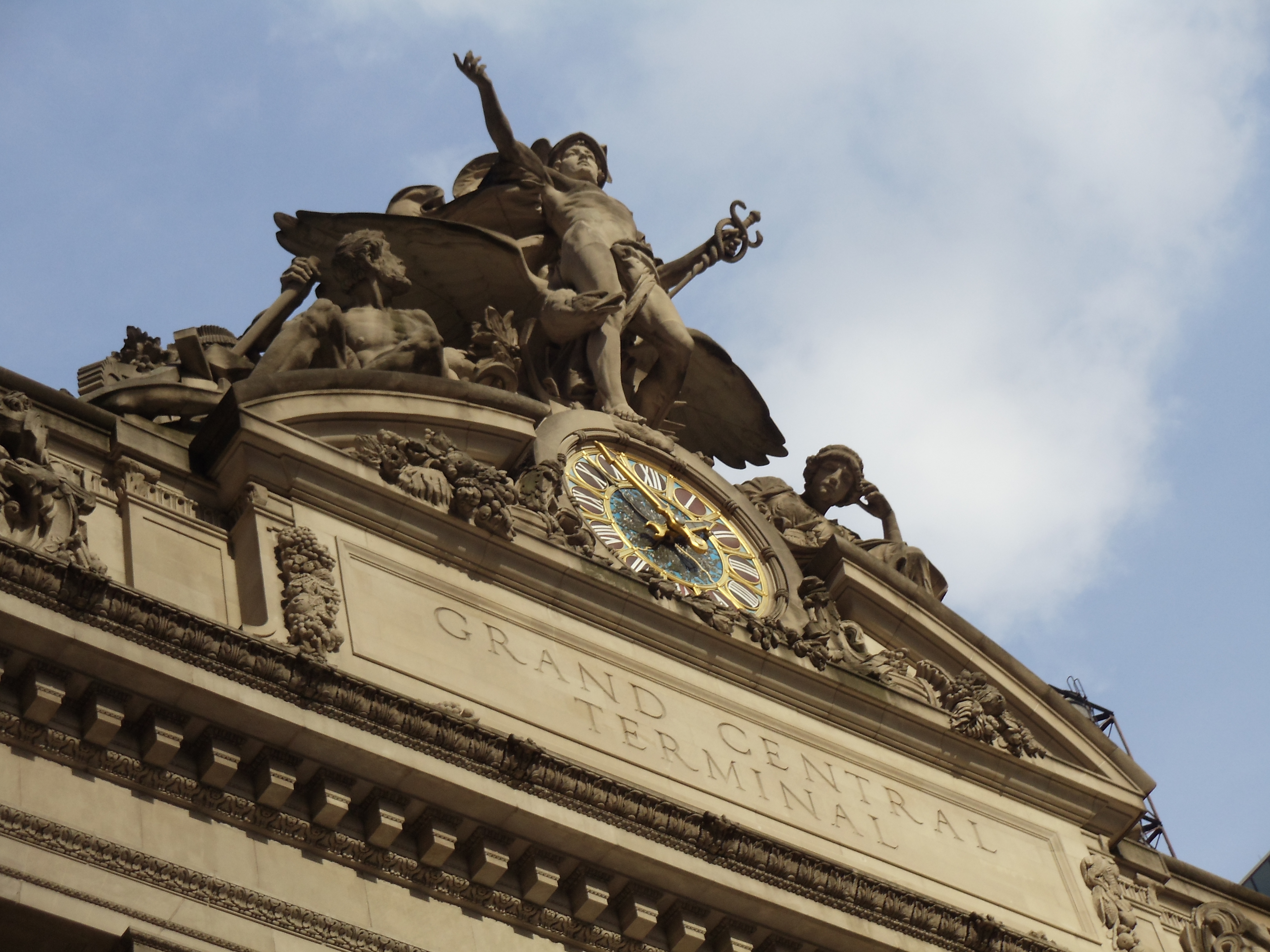
Outside Grand Central Station

Outside Grand Central Station

When I arrived in NYC earlier this month, Grand Central Station was kicking off its golden anniversary celebration. After seeing it for myself, there’s no doubt, it’s a marvel worth celebrating.
Yes, it’s an iconic New York landmark that happens to be an architectural beauty (hey, it’s even the world’s number six most visited tourist attraction), but it’s more just another pretty facade.

My hotel was situated over Grand Central, so it was simple to slip down there whenever I got the chance. The writer and storyteller in me was attracted to Grand Central because it’s like a bookless library. Okay, okay, I know that sounds silly. Let me try to explain. Grand Central houses a century full of stories–maybe not the kind recorded in bound volumes–but a million unspoken stories. I think of the people who have met there, cried tears of joy there and some who were left waiting there. I imagine the stories of loved ones who were reunited there and some who have even wed there. If only those beautiful blue ceilings could talk.

What about the “Grand Central Station” in your life? Do you have a favorite people-watching spot? Let the lives passing by you spark new ideas and quirky, authentic details for the stories you write.

I have always loved to sit in ferry and railroad stations and watch the people, to walk on crowded streets, just walk along among the people, and see their faces, to be among people on street cars and trains and boats. – Ella R. Bloor

a “highlight” of my writing career

Standard

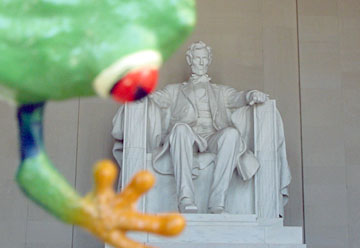
Lincoln with frogHighlights for Children is the gold standard for children’s magazines. Little wonder I’m thrilled see my article “Sculpting a President” in the February 2013 issue. The article was actually written and sold back in 2008, but it’s been worth the wait to see it in print.

“Sculpting a President” shares the true story of how Michigan sculptor Anthony Frudakis created a larger than life size statue of Abraham Lincoln for the Liberty Walk on the campus of Hillsdale College. How fascinating to learn about Tony’s process starting with in-depth research, then on to sketching, followed by creating miniature versions before finally “building” the actual masterpiece. It’s not unlike the steps a writer takes to first investigate, then brainstorm, and then draft character sketches before attempting to craft a larger piece of work. It takes patience with yourself and with your medium, but when you find joy in that process, it makes it worthwhile.

My thanks to freelance reporter Monetta Harr for sharing Tony’s story (and mine) through the Jackson Citizen Patriot.

It may have taken “four score and seven years” to see this story come to light, but I trust it’s here at the right time in our history. Who knows what young reader may be inspired to follow in Tony’s creative footsteps.

My best friend is a person who will give me a book I have not read.― Abraham Lincoln

mmm rejection pie

Standard

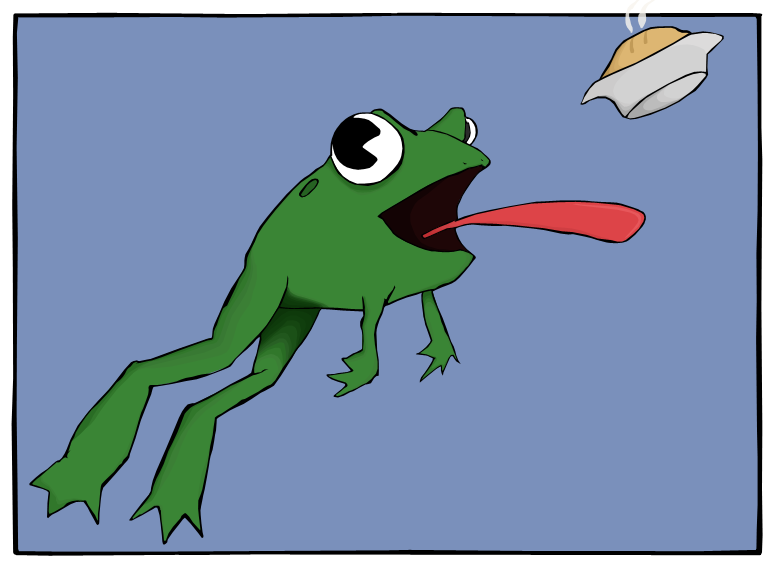
Frog and pieWhat do pie and rejection have to with one another? Well, aside from pie’s lovely conciliatory quality . . . read on . . .

Long ago at a writers conference far, far way, I heard an editor offer a delightful and unexpected explanation for why a solid, polished manuscript may be passed over by an editor.

She suggested that we think of the editor as the owner of a bake shop. Imagine the bake shop owner standing in front of a gleaming glass and chrome case filled with the most delectable strawberry pies. A well-meaning, yet witless baker strolls into the shop to sell the owner her wares. She modestly presents a dish of juicy, glistening, flavorful, luscious pastry perfection. Much to her amazement, the owner shakes her head and points to the door. How can this be? the baker wonders. I worked so hard. I refined my recipe. I used only the finest ingredients. Where did I go wrong?

The answer? The baker brought the bake shop owner a strawberry pie. With a case already filled with berry pies, how could the owner buy another, even if it was sublime?

Sometimes that’s what happens with editors and our submissions. It’s not a matter of you sending out rejection-worthy work. It’s just that she doesn’t need another middle grade novel with a shy boy protagonist or an article about Abraham Lincoln or one more collection of zombie bunny haikus. It’s just a matter of timing–supply and demand. You needed to send the right “pie” at just the right time.

So, what can you do to enhance your chances?

You can study a publisher’s catalog before you submit and pay attention to their newest releases, but success with a submission is due, in part, to just plain dumb luck with timing. I say that not to discourage you, but to remind you that rejection isn’t always a reflection of your work. It may be a matter of an overstuffed pie case (so to speak).

Keep refining and polishing your work. When it’s “baked” to the best of your ability, do your homework and submit it to publishing houses that are the best fit. The more you hone your skills and keep submitting, the more timing will be in your favor.

Oh, and have a slice of pie. You deserve it!

I really wish I was less of a thinking man and more of a fool not afraid of rejection. ― Billy Joel

my NYC pooh-grimage

Standard

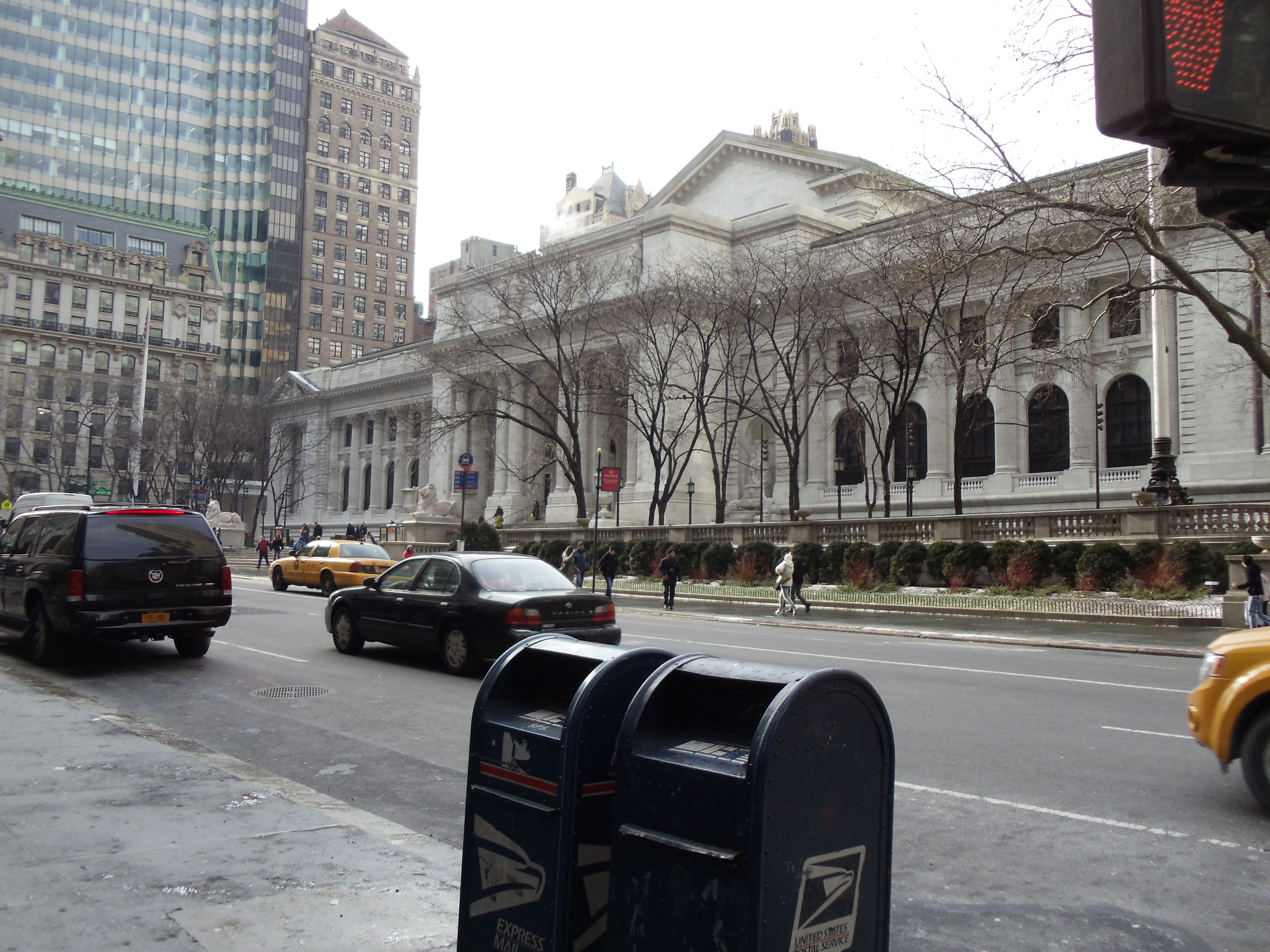
NY Public LibraryNY trip #3NY trip #2NY trip #4NY trip #6NY trip#5After the SCBWI winter conference wrapped up, I still had a wee bit of time before I had to leave for the airport. How could I fill my last hour in the Big Apple? I know! I’ll go on a treasure hunt. Why not?

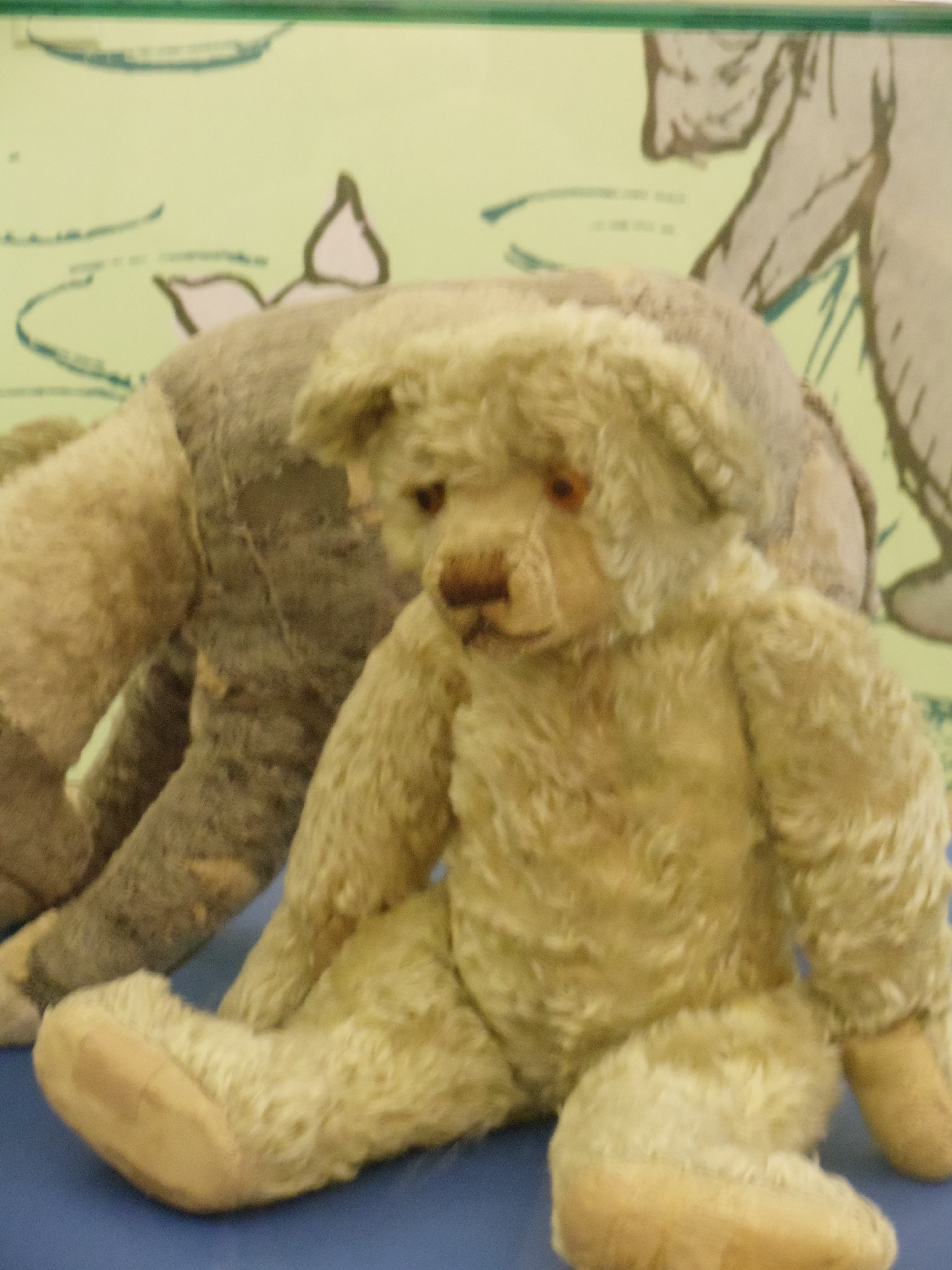
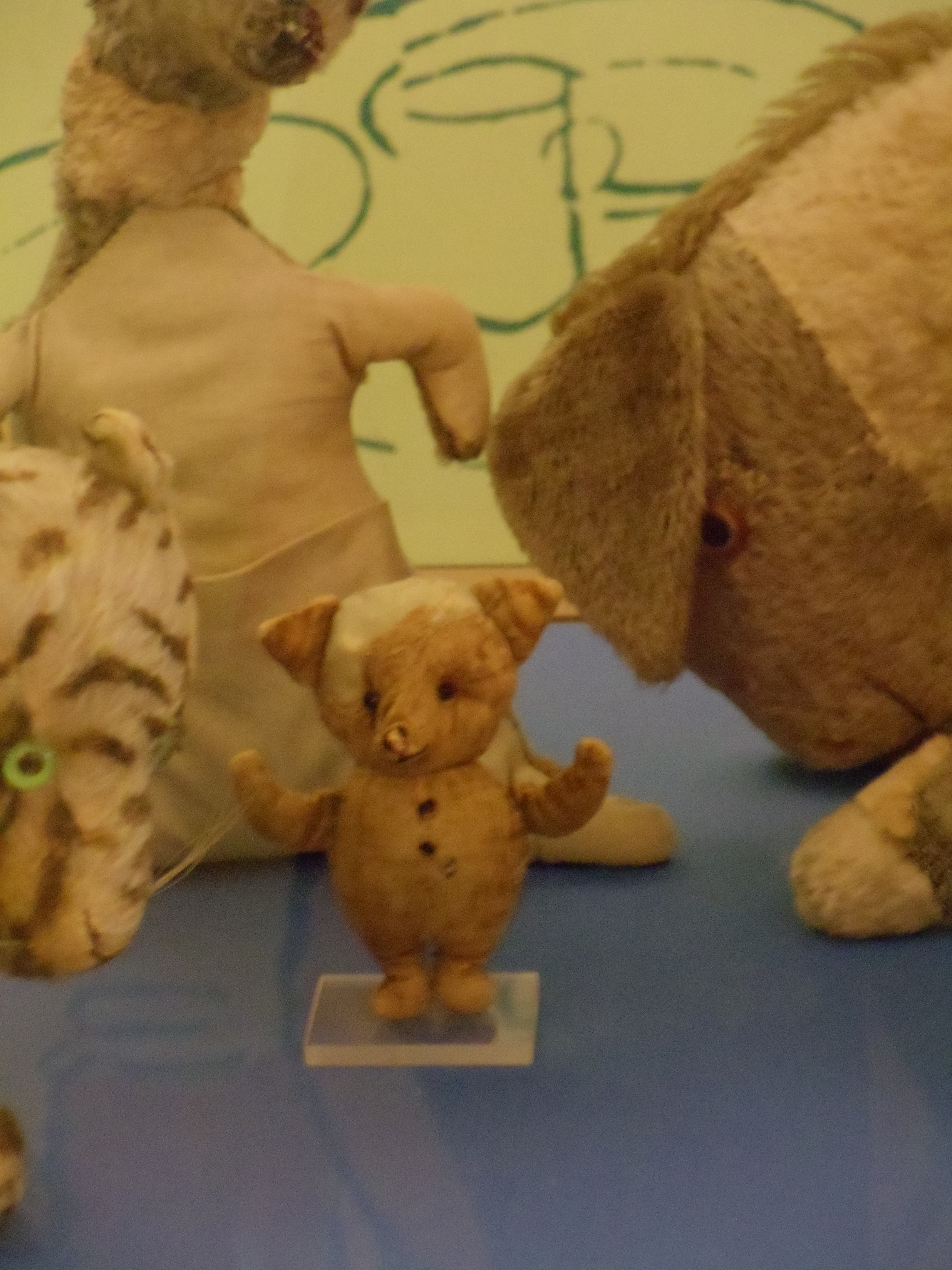
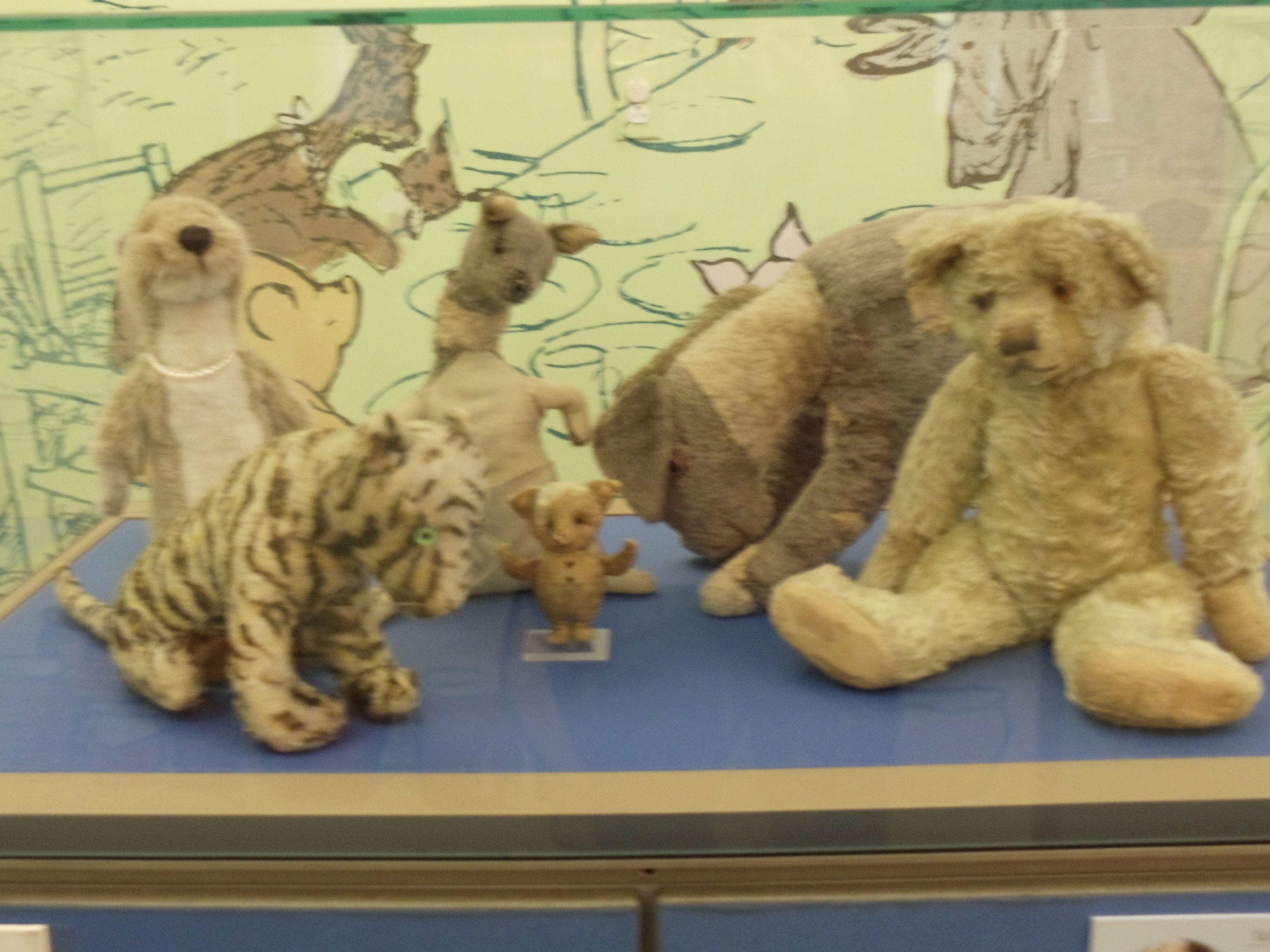
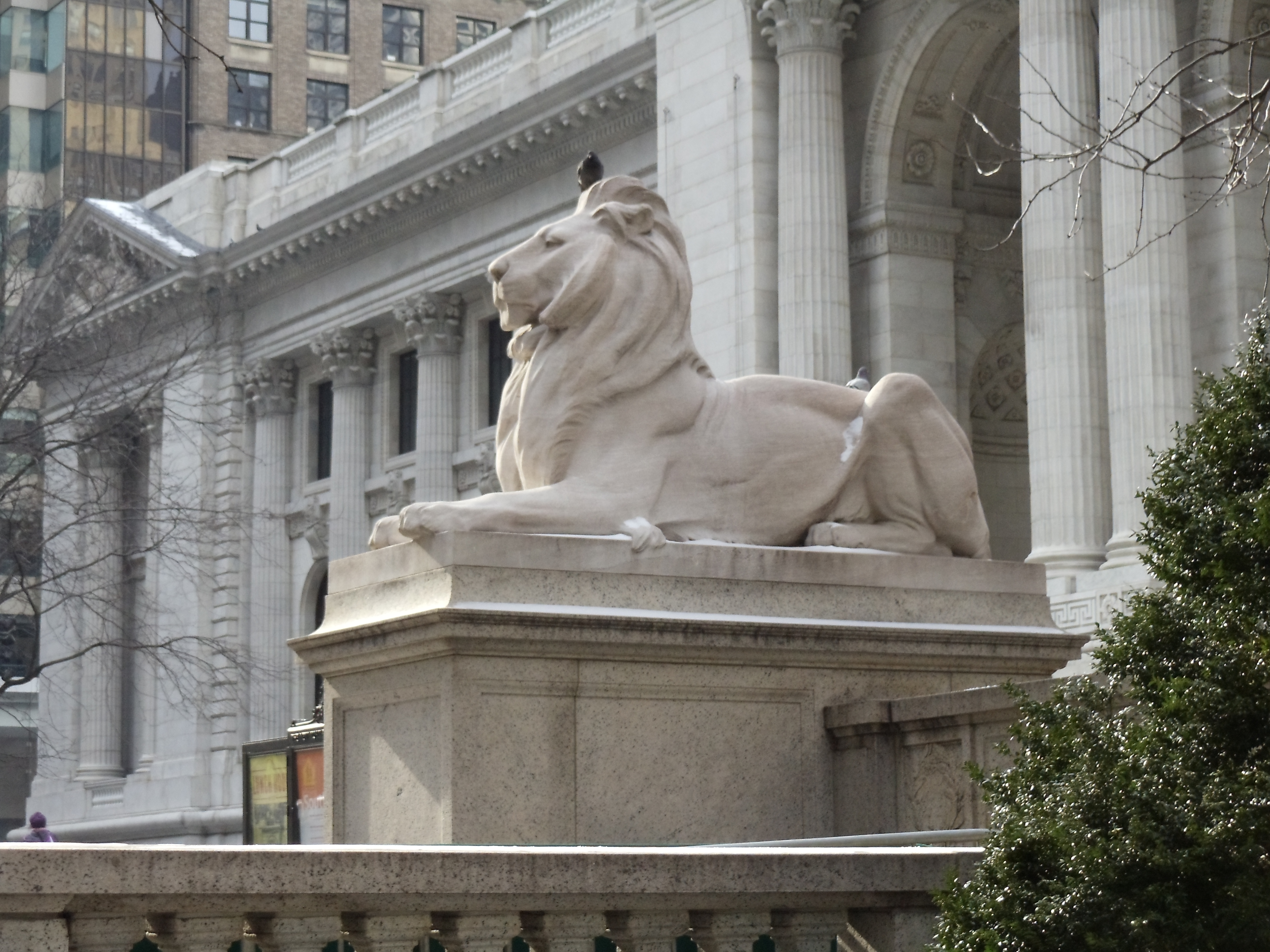
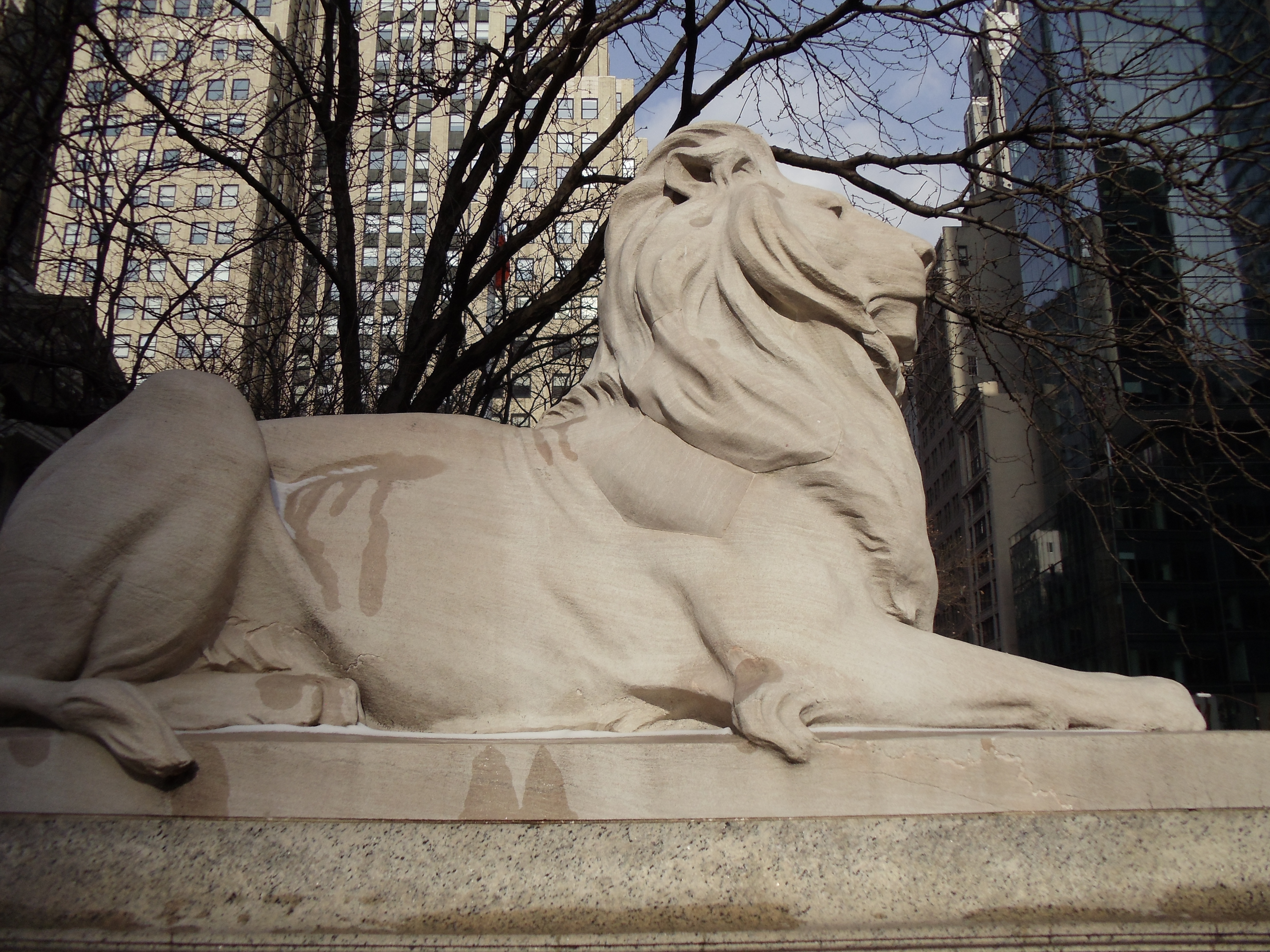
I headed out the door of the Grand Hyatt on 42nd Street, strolled by Grand Central Station (more about her later–she’s a beauty) and a few New York minutes later I hung a left on 5th Avenue. And there it was. The Treasure Keeper, also known as the New York Public Library. Guarded by two regal, yet amiable lions, I made my way up the stairs, through the revolving door and across the tiled floor. I was a tourist on a mission. I made a honey bee line to the nearest security guard: “Where is the Children’s Section?” I was directed downstairs. A right turn, then a left, and I was in. And there, in its own special glass enclosure were the objects of my desire–the real Winnie the Pooh and his dear little friends Eeyore, Piglet, Kanga and Tigger. How serene and content they seemed, just the way you’d want beloved toys to be. And at nearly 92 years old, they looked as if they still had a little play left in them. Piglet surprised me most. He was so tiny. A true charmer.

I learned that these “real” residents of the Hundred Acre Wood were given as a first-birthday present to Christopher Robin Milne in 1921. Purchased at Harrods in London, Eeyore, Piglet, Kanga and Tigger soon joined Pooh as Christopher’s playmates. The dear friends served as the inspiration for the children’s classics written by his father, A.A. Milne, and illustrated by Ernest H. Shepard. The faithful five journeyed to the United States in 1947, and remained with the American publisher E.P. Dutton until 1987 when they were donated to The New York Public Library.

After spending a weekend immersed in the world of children’s publishing, visiting Pooh was a sweet and fitting way to end my New York visit.